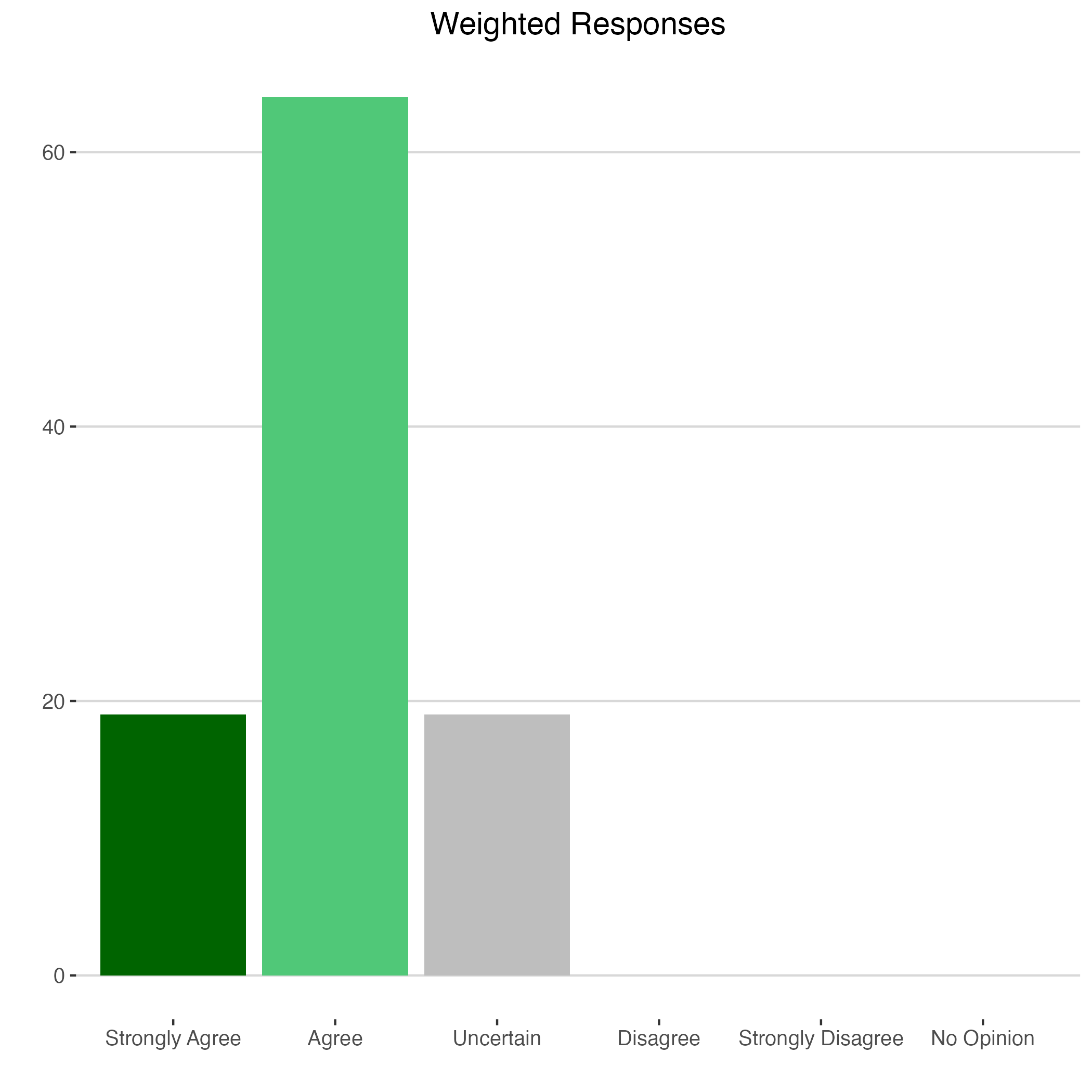
Growth

Data Center Policies

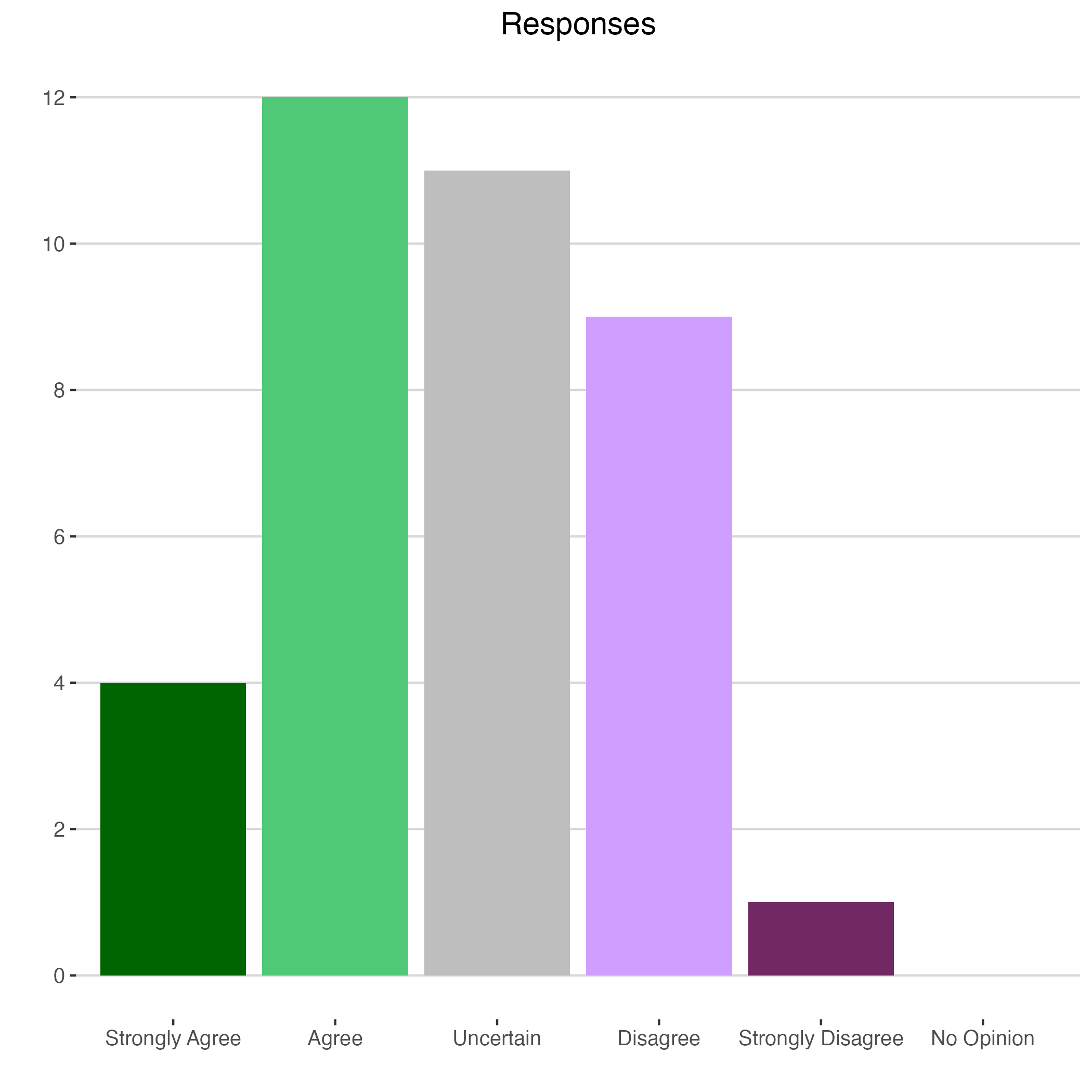
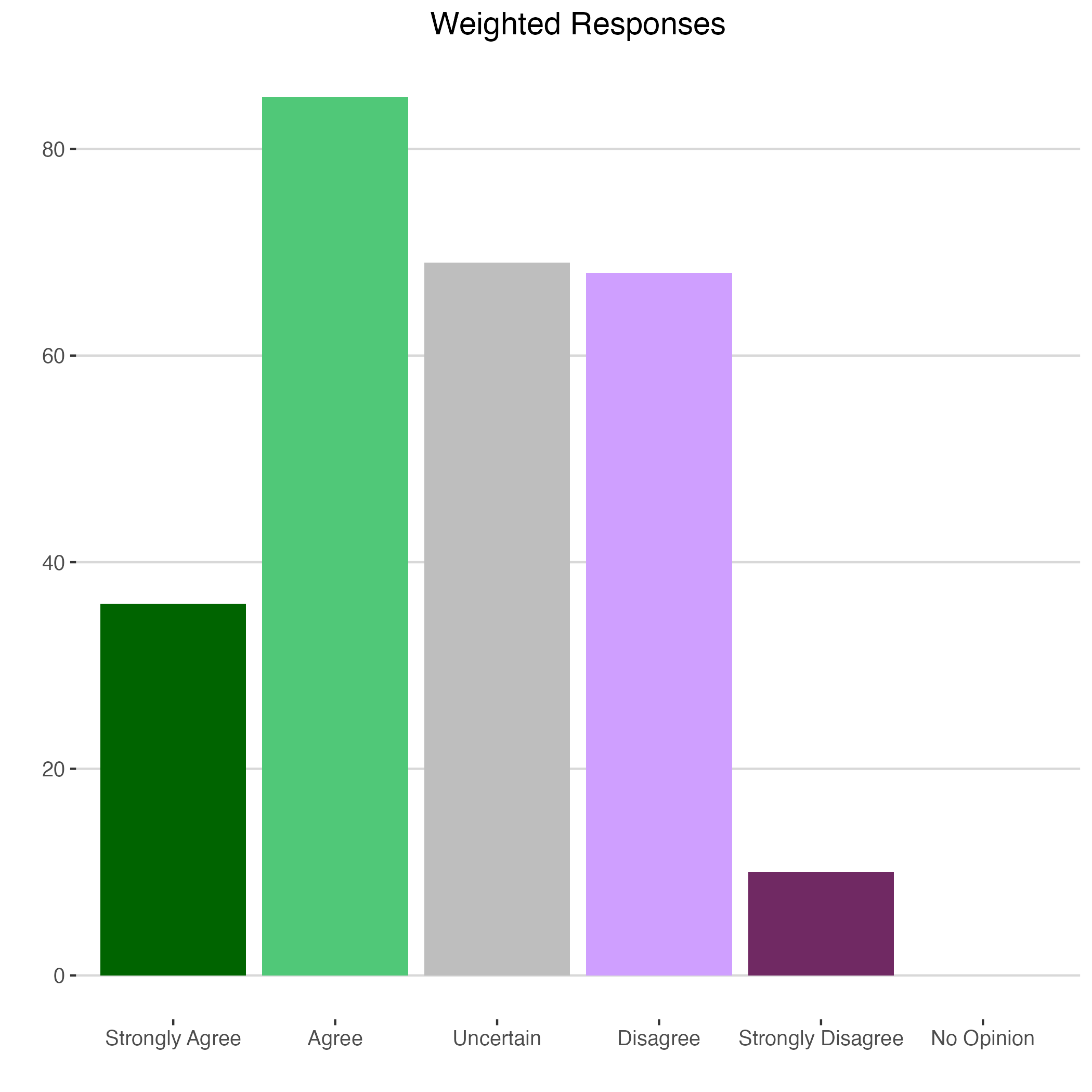
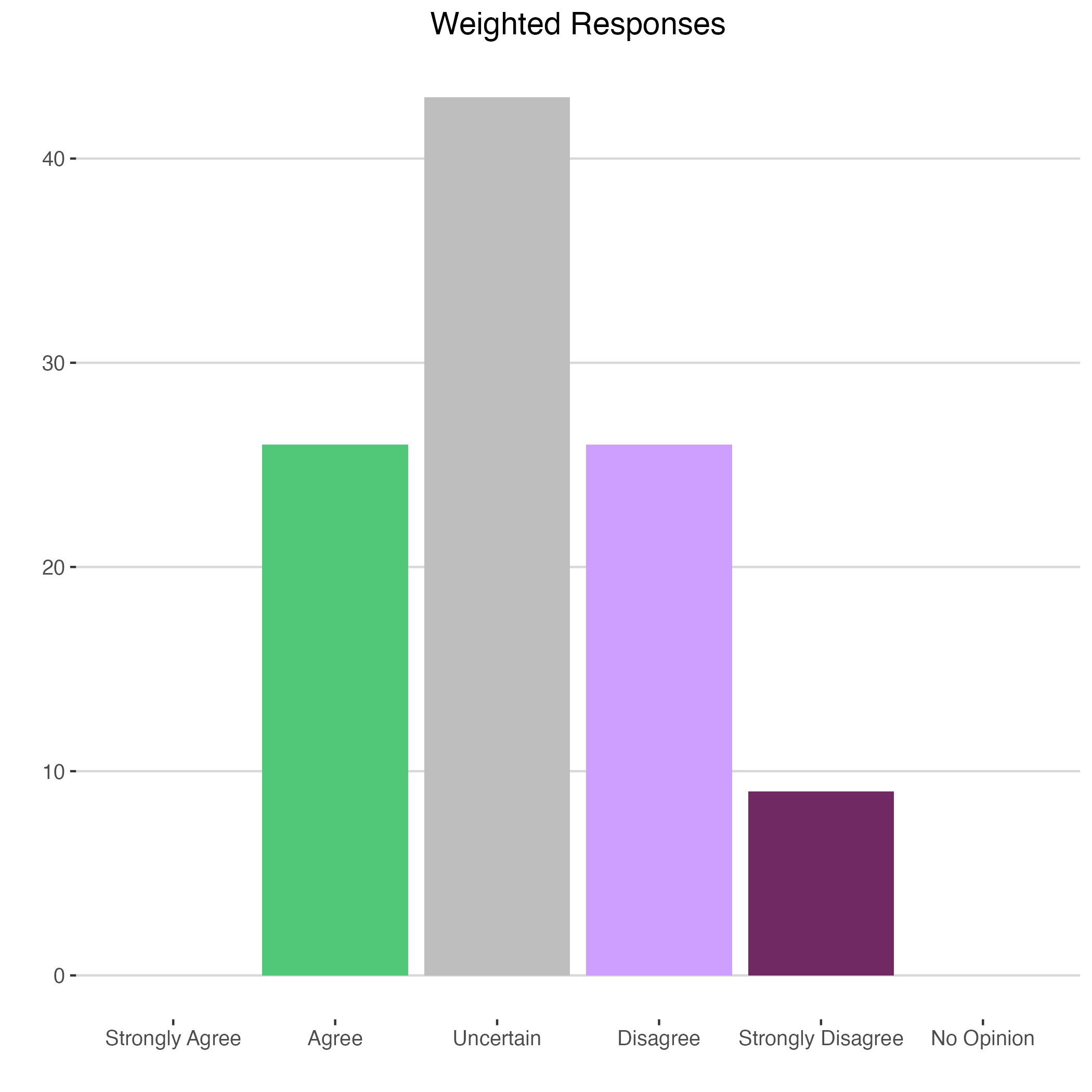
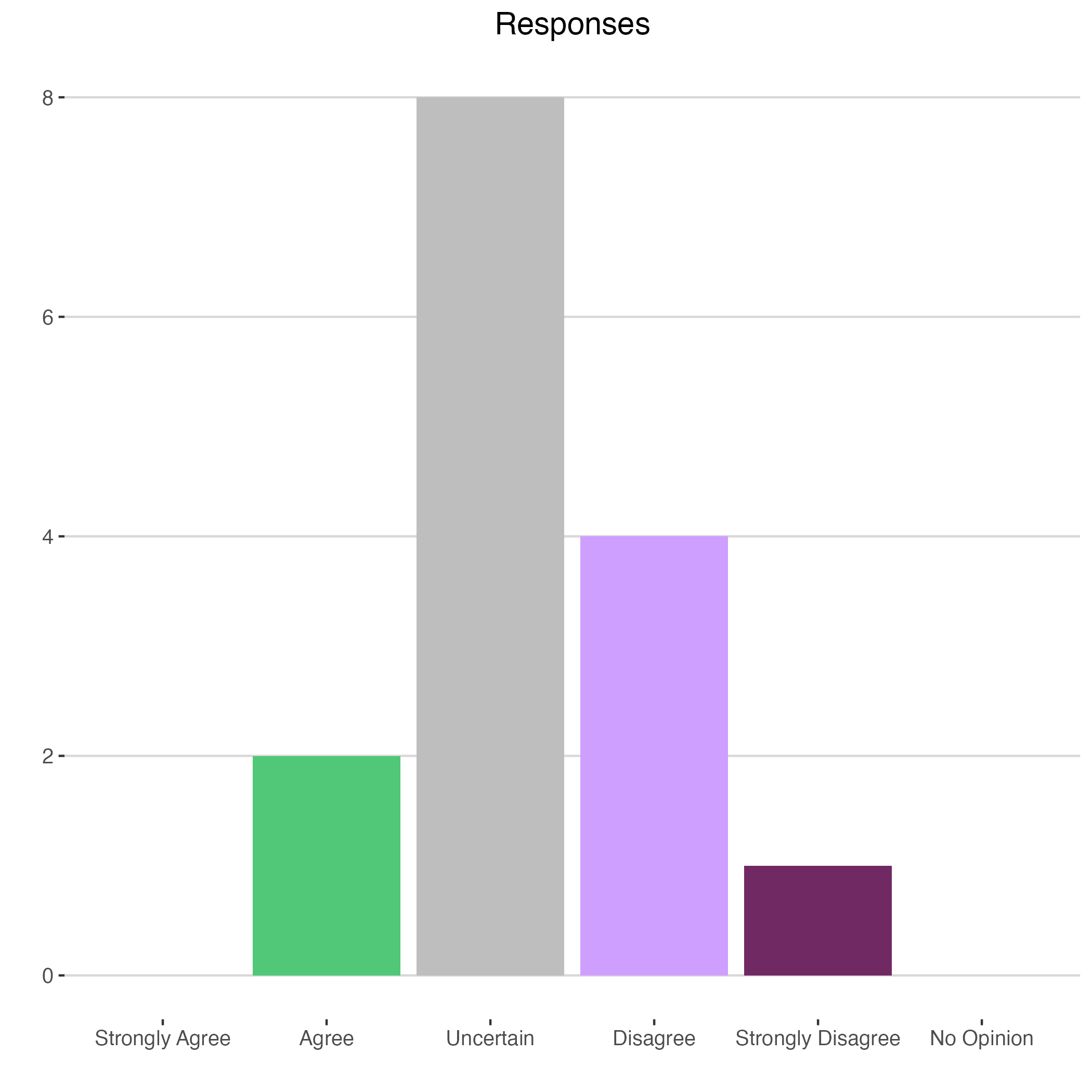
Question A: Requiring new data centers to generate their energy behind-the-meter will prevent energy bill increases for Ohio residents.

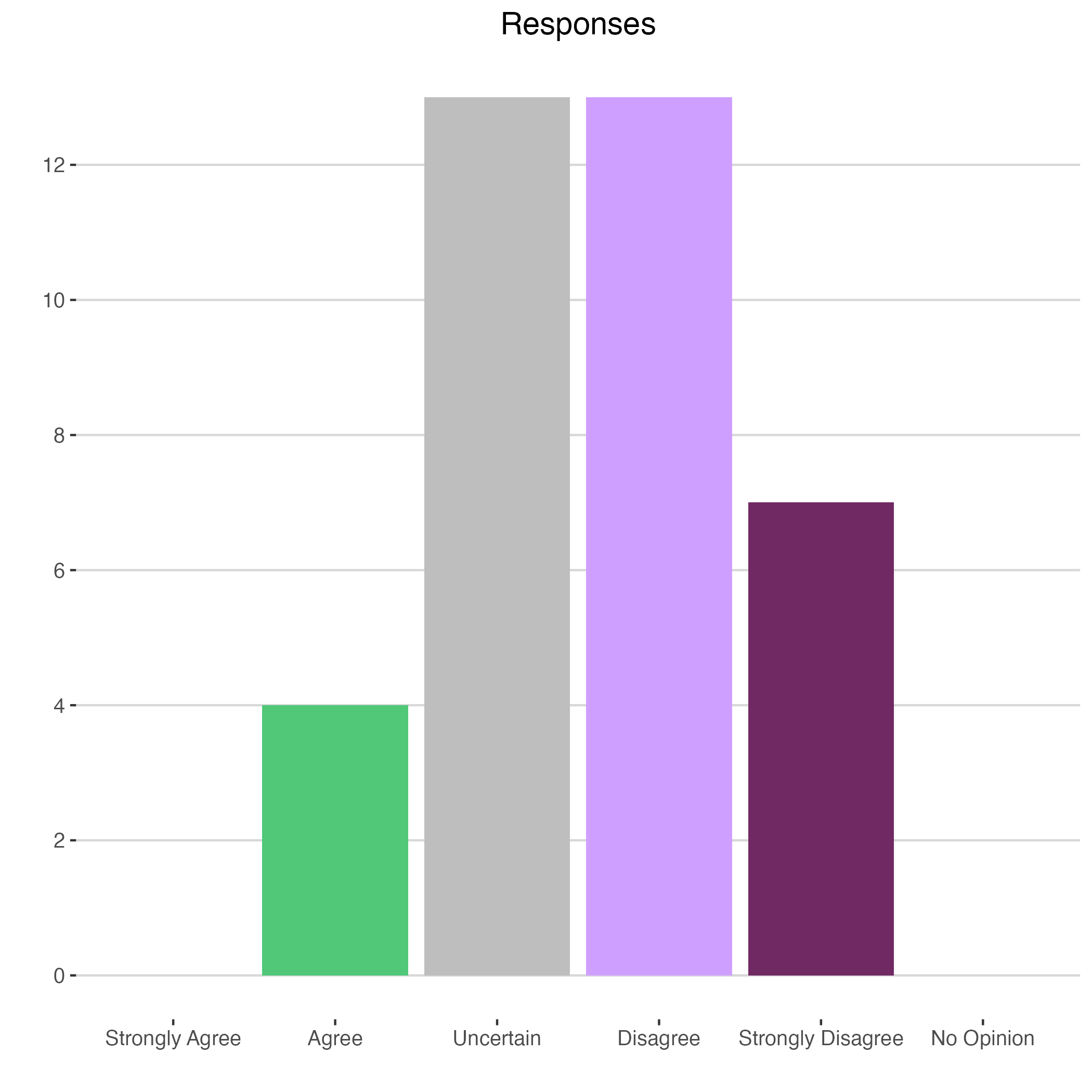
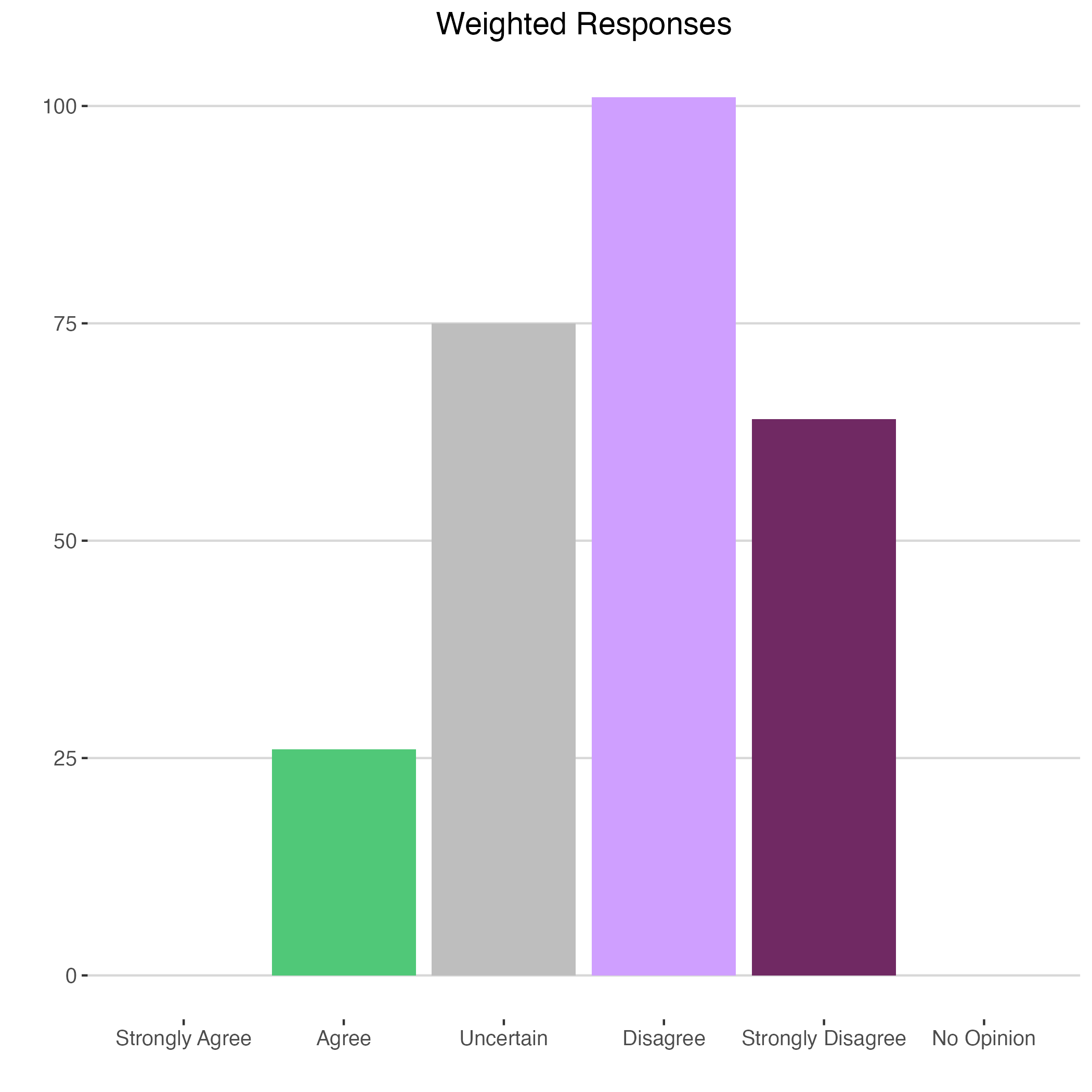
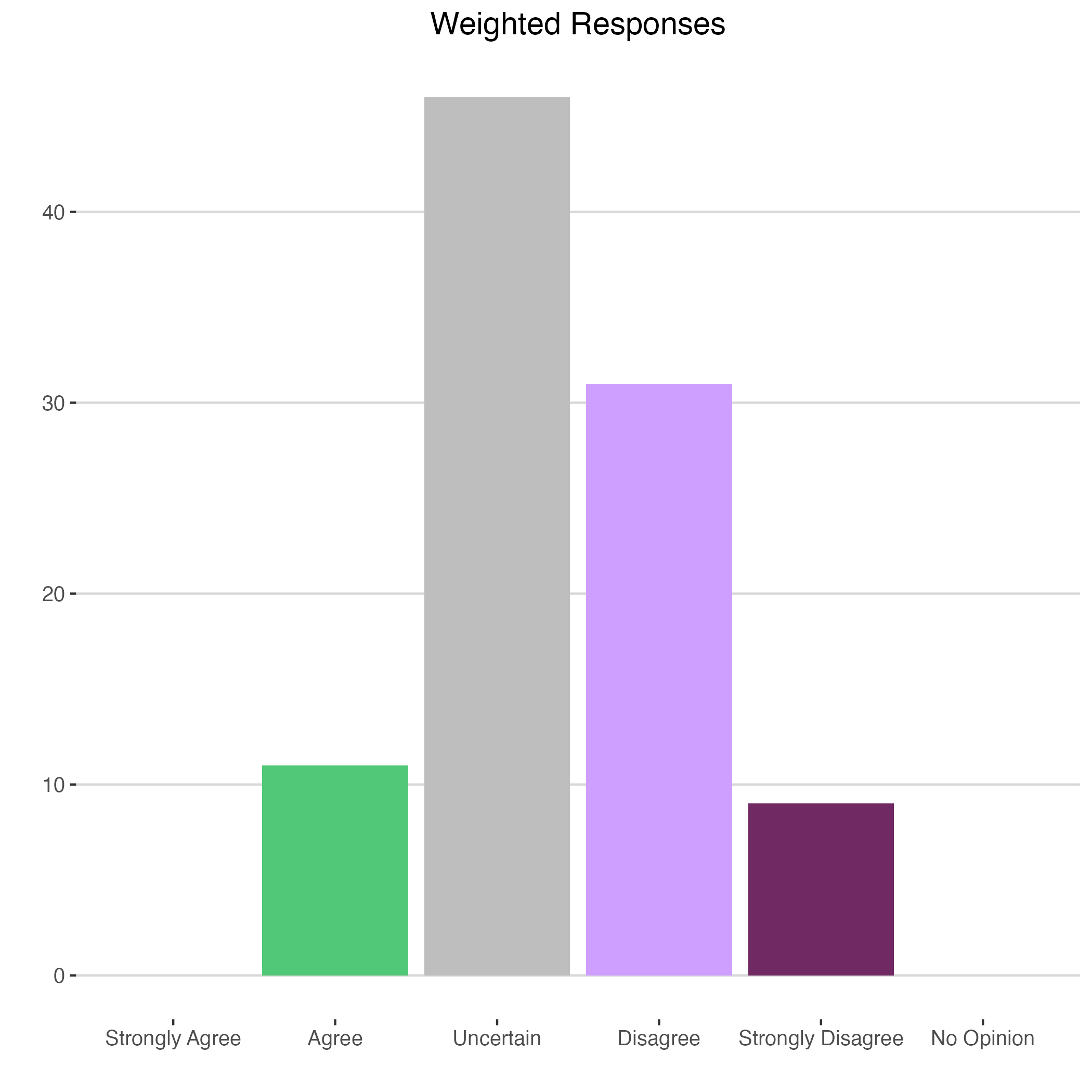
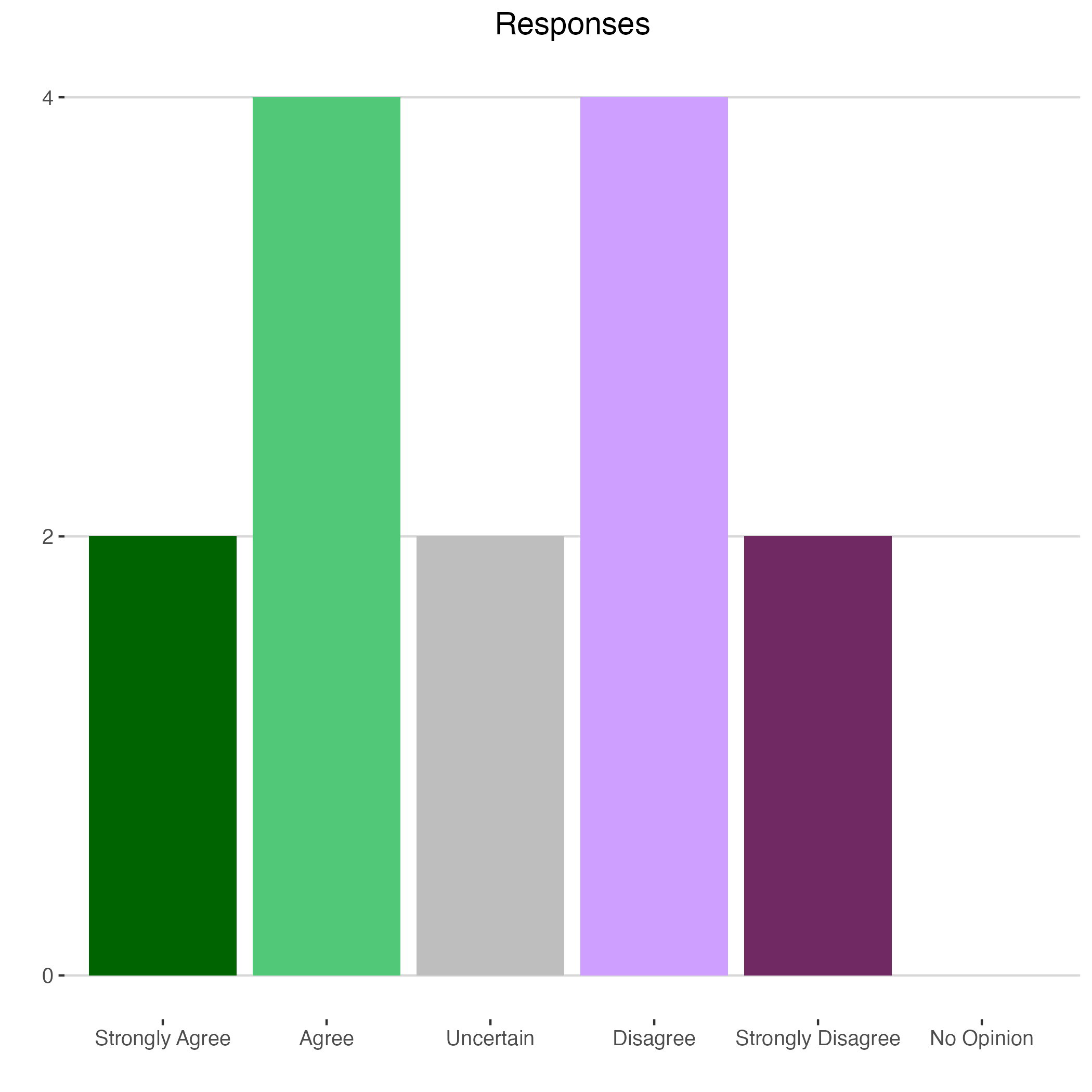
Question B: Requiring new data centers to generate their energy behind-the-meter will reduce the environmental costs of data centers in Ohio.

Question C: Local property tax abatements are an effective tool for attracting new data center development in Ohio.

Question A: Requiring new data centers to generate their energy behind-the-meter will prevent energy bill increases for Ohio residents.

Economist Institution Opinion Confidence Comment
Mike Abito Ohio State University Uncertain 5 Needs to be studied. I'm not aware of recent and Ohio specific research.
Jonathan Andreas Bluffton University Disagree 8
Casey Boyd-Swan Kent State University Agree 9 The idea behind this makes sense. The biggest economic risk from data centers is cost-shifting, so requiring on-site generation keeps those costs with the data center. In practice, energy costs may not increase as much for Ohio residents, but most on-site generation will be natural gas turbines, which concentrate both air pollution and around-the-clock noise in the community where data centers are located.
David Brasington University of Cincinnati Uncertain 9 Even if they produced their own power, new data centers could require new hookups from the existing grid, reliability equipment, and distribution upgrades. These costs could be absorbed by the public utilities or passed on to consumers.
Bolong Cao Ohio University Strongly Agree 8 The data centers should provide surplus electricity for the residence with nuclear power.
Joyce Chen Ohio State University Agree 7 Duration of these arrangements as long as longer term ownership will be critical.
Ron Cheung Oberlin College Uncertain 5
John Conzelmann Denison University Uncertain 5
Colin Davison University of Akron Agree 8
Kevin Egan University of Toledo Agree 7 Many factors affect energy bills but requiring high usage data centers to build their own electricity source removes one major factor.
Ali Enami Kent State University Strongly Agree 10
Lucas Engelhardt Kent State University Disagree 7 This just pushes the demand back a step. Instead of competing for energy itself - driving energy prices up, they'll be competing for the resources used to produce the energy - driving up the cost of those resources. In as far as data centers are below-average in energy-production efficiency, this will divert energy production resources away from high-productivity uses to low-productivity uses, actually driving energy prices up for the end consumer compared to if we just allowed data centers to buy electricity from the grid, and allowed more efficient energy producers to expand production. The possible exception: if traditional energy producers are prevented from expanding production, then this would flip to "agree" - but it's because we're adding energy production in the only way that is allowed.
Erwin Erhardt University of Cincinnati Agree 9 I believe that requiring data centers to their own power--behind-the-meter, will quarantine the use and cost of the energy necessary for operation to the data owner itself, preventing spillover costs in the community.
Jonathan Ernest Case Western Reserve University Disagree 7
Kenneth Fah Ohio Dominican University Agree 5
Vinnie Gajjala Tiffin Univeristy Uncertain 8
Will Georgic Ohio Wesleyan University Strongly Disagree 10 The additional electricity demand by new data centers is not the only factor contributing to rising energy bills. Requiring new data centers to bring their own power will not further exacerbate these upward pressures, but that doesn't mean that it will prevent them from happening.
Bob Gitter Ohio Wesleyan University Strongly Agree 8 If the data centers and other consumers are both seeking energy, this will increase the price. Being-the-meter generation, i.e., the data center producing their own electricity is a good idea because of the large amount of energy they need. But, environmental and noise standards must be at acceptable levels.
PJ Glandon Kenyon College Uncertain 3 Energy providers are regulated utilities so standard supply and demand analysis isn't especially useful here. In the long run, this requirement might increase household energy costs compared to the conterfactual scenario where data centers effectively pay for a large share of the fixes costs of power generation and distribution.
Alex Hollingsworth Ohio State University Uncertain 9 "Behind the meter" is too vague a term to be able to predict what will happen. Say a datacenter agrees to some version of this, but then the utility makes investments in infrastructure? Say the data center gets a dedicated, lower cost baseload power plant, this would implicitly drive up costs for others that are not getting that baseload facility. The point is, it's hard to predict what would happen to prices without knowing the specifics, and this phrase is potentially hiding what could be window dressing.
Faria Huq Lake Erie College Uncertain 4
Michael Jones University of Cincinnati Disagree 5 Restricting data centers to behind-the-meter generation keeps new power capacity isolated from the public. The result is a missed opportunity to expand overall grid supply and lower electricity prices for Ohioans in the long run. While it is true that fixed electricity capacity can drive up prices when new demand spikes in the short run, a better alternative is to build out enough shared infrastructure to absorb the growth.
Evan Kresch Oberlin College Disagree 8 If data centers still use the infrastructure to link to the grid, the fixed costs of maintianing that system will be passed onto consumers.
Charles Kroncke Mount Saint Joseph University Agree 6
Bill LaFayette Regionomics Disagree 9 If data centers are forced to create their own energy, that will be helpful. But that won't mean that energy bills won't increase. The power industry must still contend with aging infrastructure, increasingly violent weather, and increasing overall demand.
Kurt Lavetti Ohio State University Agree 6 new energy production would still compete in input markets, but would not remove supply from grid. price effects modest to null.
Sokchea Lim John Carroll University Disagree 9 The markets cannot be fully segmented. It will still create spillover effects.
David Lindequist Miami University Disagree 8 Requiring behind-the-meter generation would reduce data centers' direct effect on residents' electricity bills, but gas-powered onsite generation could still raise household energy costs through higher natural-gas prices.
Trevon Logan Ohio State University Uncertain 8
Emily Marshall Denison University Agree 6
Joe Nowakowski Muskingum University Uncertain 8
Curtis Reynolds Kent State University Uncertain 5 This seems like a good idea but my sense is that many of the large data centers are doing this already because it is faster to get up and running than trying to connect to existing power. If that is correct then the requirement will not matter much. I am not sure how existing smaller data centers would work with this requirement.
Thomas Sahajdack Kent State University Agree 7 At a large enough scale, data centers may compete for power generation materials and equipment, such as solar panels and energy storage, indirectly causing price increases even for residential users.
Roman Sheremeta Case Western Reserve University Disagree 7
Ejindu Ume Miami University Strongly Agree 10
Rachel Wilson College Board Agree 8
Jonathan Wolff Miami University Agree 7

Question B: Requiring new data centers to generate their energy behind-the-meter will reduce the environmental costs of data centers in Ohio.

Economist Institution Opinion Confidence Comment
Mike Abito Ohio State University Uncertain 5 Needs to be studied. I'm not aware of recent and Ohio specific research.
Jonathan Andreas Bluffton University Disagree 7 Most of the new power generation is burning fossil fuels and it is impossible to burn fossil fuels without any environmental costs. Furthermore, this is a way for AI companies to evade environmental regulations because the EPA's acid-raid regulations explicitly does not apply to the behind-the-meter power generation. Ohio's state regulations also give them more freedom to pollute than we give to our ordinary power companies. So this is a loophole for AI companies to use much dirtier electricity than we normally allow and local communities have almost no power to stop data centers from polluting the air they breathe which is ironic because state law allows local communities enormous power to stop the construction of non-polluting wind and solar generation for any reason. xAI's Colossus data center in Tennessee is an example of the large amounts of air pollution that data centers are allowed to impose on their neighbors as well as the roar of large, noisy gas turbines that operate 24/7.
Casey Boyd-Swan Kent State University Strongly Disagree 10 See above
David Brasington University of Cincinnati Uncertain 8 If the data center builds its own power source, and that power source is cleaner than what the public utility provides (natural gas vs. coal, for example), the environmental impact would be lower. But requiring local generation could also be inefficient compared to economies of scale that expanding the public utility lines would create.
Bolong Cao Ohio University Disagree 8 Noise from turbine generators, PM2.5 air pollution from burning NG, water pollution.
Joyce Chen Ohio State University Strongly Disagree 10
Ron Cheung Oberlin College Agree 7
John Conzelmann Denison University Uncertain 5 This comes down to substitution patterns, which seem to lean toward natural gas. But it also depends on Ohio's current grid's environmental costs, of which I am unsure. It's plausible a move to gas for data centers could actually be cleaner than being on or in front of the meter, even if that means they use natural gas instead of something like solar or wind.
Colin Davison University of Akron Uncertain 1
Kevin Egan University of Toledo Disagree 7 The major environmental cost is determined by the electricity source used: natural gas vs. wind or solar. To minimize "environmental cost" the state could require that only renewable sources of energy can be used to power data centers.
Ali Enami Kent State University Strongly Disagree 10
Lucas Engelhardt Kent State University Disagree 7 Even assuming that data centers use fairly environmentally friendly means of energy generation, the materials needed for these methods aren't always environmentally friendly. It's not clear that current incentives related to green v. traditional energy sources are well-designed to deal with actual net environmental harm as opposed to simply appearing to do so.
Erwin Erhardt University of Cincinnati Uncertain 8 This would depend upon the what's resources are used to generate the behind-the-meter power. If it involves the utilization of clean enery sources it would definitely provide for very low environmental costs. However, if power if gas or fossil fuels, such sources would definitely raise the costs and impact on the natural and human environment. One outlier is the impact on water; how will water cooling demands impact the greater environment.
Jonathan Ernest Case Western Reserve University Strongly Disagree 10 The environmental impacts are not mitigated through additional energy production.
Kenneth Fah Ohio Dominican University Agree 5
Vinnie Gajjala Tiffin Univeristy Disagree 8
Will Georgic Ohio Wesleyan University Disagree 7 Because these will likely be smaller power plants, they will generally evade the level of environmental review that larger power plants would receive.
Bob Gitter Ohio Wesleyan University Uncertain 5 If the data centers are producing their own electricity, it might reduce environmental costs if it is solar or wind or increase them if it is natural gas or especially if it is diesel.
PJ Glandon Kenyon College Uncertain 1
Alex Hollingsworth Ohio State University Uncertain 9 This is basically impossible to tell. It depends on the source of the energy. If you're somewhere where datacenters are pulling large baseload that would otherwise be going to residential customers offline, this might leave higher marginal cost/higher pollution per unit electricity facilities being used MORE for residential demand. Increasing pollution. Even if the data centers produce all their own electricity, they might be using high-polluting speaker plants to meet their peak demand requirements which could be quite polluting.
Faria Huq Lake Erie College Strongly Disagree 7
Michael Jones University of Cincinnati Uncertain 5
Evan Kresch Oberlin College Uncertain 9 It depends on how they generate that energy. Through burning LNG? nuclear? wind? solar?
Charles Kroncke Mount Saint Joseph University Agree 7
Bill LaFayette Regionomics Disagree 7 Environmental costs will be shifted but not reduced. The power must still be generated - with the environmental costs that entails - and the impacts on water and land will remain unchanged.
Kurt Lavetti Ohio State University Disagree 10 depends entirely on how new energy is produced. new coal power would certainly increase environmental costs
Sokchea Lim John Carroll University Disagree 10 The environmental impacts depend on the sources of energy generation, rather than the connection location.
David Lindequist Miami University Agree 7 The statement is likely true if onsite generation uses natural gas, since gas is cleaner than the coal power still present in Ohio's grid. To be clear: As long as data centers are powered by fossil fuels, they will still cause substantial environmental damage either way. The question is whether onsite generation causes less damage than drawing electricity from the grid, which I think is likely the case.
Trevon Logan Ohio State University Strongly Disagree 9
Emily Marshall Denison University Uncertain 6
Joe Nowakowski Muskingum University Strongly Disagree 8
Curtis Reynolds Kent State University Disagree 7 Unless the government specifies the specific requirements for power the companies will use the cheapest technology for that particular site. That may or may not be the most environmentally friendly.
Thomas Sahajdack Kent State University Disagree 8 Depends, of course, on how the data centers generate power. This also does not address any other potential environmental impact from centers.
Roman Sheremeta Case Western Reserve University Disagree 7
Ejindu Ume Miami University Disagree 8
Rachel Wilson College Board Uncertain 8
Jonathan Wolff Miami University Uncertain 5

Question C: Local property tax abatements are an effective tool for attracting new data center development in Ohio.

Economist Institution Opinion Confidence Comment
Mike Abito Ohio State University Uncertain 5 Needs to be studied. I'm not aware of recent and Ohio specific research.
Jonathan Andreas Bluffton University Uncertain 5 It is effective if your goal is to bring in data centers because it is using public resources to pay them a tax subsidy to make it cheaper for them to build in Ohio. However, if your goal is to effectively benefit the economy of Ohio, it is completely uncertain if this is our best use of resources. If data centers are taking more local resources than they are giving back to the Ohio economy, then this would be counterproductive. I tend to be an optimist that it is possible for data centers to contribute to the Ohio economy, but I am not at all confident that we are actually implementing them in the most effective way.
Casey Boyd-Swan Kent State University Disagree 9 Large operators pick sites based on reliable power, fiber-optic lines, land availability and condition, and nearness to existing clusters of data centers and available workforce. Local property tax abatement comes fairly low on that list. It also removes the main local benefit for communities who have a data center, since each facility creates few permanent jobs (the construction jobs created are temporary).
David Brasington University of Cincinnati Agree 8 Yes, it can be an effective tool, but taxes are only one of many considerations a data center has when selecting a location.
Bolong Cao Ohio University Agree 7 To prevent irresponsible data center building, the abatements should be revoked.
Joyce Chen Ohio State University Agree 8
Ron Cheung Oberlin College Strongly Agree 8
John Conzelmann Denison University Strongly Agree 7 Incentives usually work. The consequence of the incentives working is a more interesting question here, I think.
Colin Davison University of Akron Agree 8
Kevin Egan University of Toledo Disagree 8 It would be efficient to change the rules of the game and ban tax breaks (subsidies) for data center location (or any firm location). The key is for the local community to benefit from the extra tax revenue generated from the nearby data center (for example, to fund the local public school, or a new public park around the area) such that the majority of citizens approve of it so that they view their standard of living to have increased.
Ali Enami Kent State University Strongly Agree 10
Lucas Engelhardt Kent State University Strongly Disagree 5 In general, evidence seems to be that tax abatements do very little to affect businesses' location choice. Abatements' main effect is lowering local and State tax revenue compared to if the abatements were not offered. In short: tax incentives are very rarely what tips a business's location choice. I have not seen any evidence that suggests data centers would be any different.
Erwin Erhardt University of Cincinnati Strongly Agree 10 Tax abatements have proven over time to be highly effective in attracting new business to Ohio, and this will definitley be the case with new data centers. Such incentives can save tremendous costs to the company or industry seeking to install a data center. Ohio has used tax abatements vigorously over the decades to attract new business to the state.
Jonathan Ernest Case Western Reserve University Disagree 9 Tax abatements can be successful in attracting data center development, but the limited increase in jobs/productivity is unlikely to fully replace the tax subsidy.
Kenneth Fah Ohio Dominican University Strongly Disagree 9
Vinnie Gajjala Tiffin Univeristy Disagree 8
Will Georgic Ohio Wesleyan University Agree 7 Whether or not it is efficient for Ohio to pursue this goal of attracting new data center development, if that is indeed the goal then attracting new development with tax abatements would likely be highly effective, all else equal.
Bob Gitter Ohio Wesleyan University Agree 8 If you mean do they attract the data centers, then yes. Tax breaks also signal that the community is willing to work with the data center. But as the data centers do not create many jobs, it is not an efficient use of encouraging employment.
PJ Glandon Kenyon College Agree 8 Whether this is a good idea is less clear.
Alex Hollingsworth Ohio State University Uncertain 9 The way this question is written is hard to answer. Often, businesses can compete with other localities by forcing these types of tax breaks to be put in place. If you really want to obtain a business that is going to get a tax break, you will need have a tax break to attract that business. But this is different than saying, "If you pass a tax break, will you be guaranteed to attract a data center?" That's the way the question is written. I'm not sure if that's the case. I think, conditional on a data center being interested in locating in your jurisdiction, a tax break could be effective. Whether or not this is a good idea is a separate question.
Faria Huq Lake Erie College Agree 6
Michael Jones University of Cincinnati Agree 7 Property tax abatements are effective for building new data centers, but there is a larger question about whether Ohio should be subsidizing a specific industry - unless there is a strategic national interest or need to enhance critical infrastructure.
Evan Kresch Oberlin College Agree 7 "effective", but not clear that the state should want to attract them.
Charles Kroncke Mount Saint Joseph University Agree 3 Requiring data centers to produce their own electricity is a good idea, but tax incentives to attract data centers must end as well.
Bill LaFayette Regionomics Agree 7 The developers doubtless love receiving them, but the real question is whether they are necessary or desirable. A large-scale data center consumes hundreds of acres of developable land that then becomes unavailable for anything else.They create many construction jobs but relatively few permanent jobs, especially in rural counties where the economic impact multipliers are low. Also, given the speed with which the technology is moving, massive data centers could become white elephants relatively soon, requiring millions in cleanup and redevelopment costs.
Kurt Lavetti Ohio State University Agree 6 not a good idea, imo. but they are an effective tool
Sokchea Lim John Carroll University Uncertain 7 These investments are highly cost-sensitive. Abatements would be an effective tool, but other factors including locations and regulations also play a role.
David Lindequist Miami University Strongly Disagree 9 Because many communities across the country oppose data centers, Ohio may attract them without additional incentives. Tax abatements seem to only provide marginal incentives at best.
Trevon Logan Ohio State University Uncertain 8
Emily Marshall Denison University Agree 7
Joe Nowakowski Muskingum University Agree 8
Curtis Reynolds Kent State University Agree 7 I think that they are effective for attracting the data centers. That does not mean that I think they are a good idea. Tax abatements become a race to the bottom and as communities fight for businesses. In the case of data centers, there will be little employment gains for the local community so the economic benefits of these tax abatements seem dodgy at best.
Thomas Sahajdack Kent State University Strongly Agree 8
Roman Sheremeta Case Western Reserve University Strongly Disagree 7 Data centers locate where the power is, not where the abatement is. The evidence on tax incentives shows most go to firms that would have come anyway - and hyperscalers are building everywhere they can. Ohio's $2.3 billion mostly bought what it would have gotten for free.
Ejindu Ume Miami University Disagree 8
Rachel Wilson College Board Strongly Agree 10 Effective doesn't mean it is smart to do it. Given how unpopular data centers are and the costs they add to the community and environment, plus the lack of long term jobs created, local governments should not be giving data centers tax abatements. If anything, the data centers should be sweetening the deal with community gifts etc.
Jonathan Wolff Miami University Agree 9

Permanent Daylight Saving Time

Question A: The twice yearly clock change harms Ohio's economy.

Question B: Adopting permanent Daylight Saving Time in Ohio will increase consumer spending on leisure, dining, and retail.

Question C: Adopting permanent Daylight Saving Time will improve the health and quality of life for Ohio residents.

Question A: The twice yearly clock change harms Ohio's economy.

Economist Institution Opinion Confidence Comment
Jonathan Andreas Bluffton University Agree 7 It creates unnecessary scheduling costs each time and problems with sleepiness when it springs forward.
David Brasington University of Cincinnati Strongly Disagree 8 There are modest costs to health (sleep & subsequent accidents) of "falling back" with the time change, and modest increases in retail activity by extending daylight hours.
Ron Cheung Oberlin College Disagree 6
Kevin Egan University of Toledo Disagree 5 The benefits and costs about balance out and whether you are for it or against primarily will come down to: do you want an extra hour of daylight in the morning in the winter or at night in the winter? In other words, are you a "morning person" or not? However, an additional factor is that there is a cost of switching the time twice per year with some studies showing a small increase in car accidents after Daylight Saving Time due to the hour adjustment and also small health impacts. USA already tried eliminating DST in the 1970s and it was not popular and abandoned but it's been over 50 years so I am indifferent to trying the experiment again and seeing how it goes...but again do it or don't do it there will be small benefits and small costs either way and no major impact overall.
Kenneth Fah Ohio Dominican University Uncertain 7
Will Georgic Ohio Wesleyan University Uncertain 5
Charles Kroncke Mount Saint Joseph University Agree 7 The change hurts our economy because it is disruptive and harmful to human health. However, I don't think the economy is hurt significantly.
Bill LaFayette Regionomics Agree 8 The big impact comes from throwing off people's circadian rhythm when the time changes. There are more traffic crashes, more strokes and heart attacks, and errors at work that could have financial implications.
Trevon Logan Ohio State University Disagree 9
Joe Nowakowski Muskingum University Agree 8
Curtis Reynolds Kent State University Disagree 7
Iryna Topolyan University of Cincinnati Agree 6
Ejindu Ume Miami University Strongly Disagree 8
Andy Welki John Carroll University Agree 8
Kathryn Wilson Kent State University Agree 3 Research has shown that there is less worker productivity in the days after the time switch. This would suggest reduced economic output. However, it is a relatively small drop in productivity and only for a couple days, so do not think it would cause a meaningful change in the economy.

Question B: Adopting permanent Daylight Saving Time in Ohio will increase consumer spending on leisure, dining, and retail.

Economist Institution Opinion Confidence Comment
Jonathan Andreas Bluffton University Agree 8 The morning hasn't been as much of a time for spending as the evening, so retailers like this proposal!
David Brasington University of Cincinnati Agree 8
Ron Cheung Oberlin College Disagree 8
Kevin Egan University of Toledo Disagree 10 This makes no sense. You think Ohio citizens have extra disposable income right now they are choosing not to spend because of daylight? If there is any small increase in spending in the extra hour of light at night during the winter it will be offset by less spending somewhere else.
Kenneth Fah Ohio Dominican University Uncertain 7
Will Georgic Ohio Wesleyan University Agree 7
Charles Kroncke Mount Saint Joseph University Uncertain 5
Bill LaFayette Regionomics Uncertain 7 The argument runs that later daylight will induce people to spend more after they leave work. That could be, especially for older people who have trouble driving in the dark, but it seems that any impact would be small.
Trevon Logan Ohio State University Strongly Disagree 9
Joe Nowakowski Muskingum University Disagree 8
Curtis Reynolds Kent State University Uncertain 5
Iryna Topolyan University of Cincinnati Uncertain 6
Ejindu Ume Miami University Uncertain 7
Andy Welki John Carroll University Uncertain 6
Kathryn Wilson Kent State University Agree 3 Credit card data shows that there is a drop in retail and restaurant spending when clocks turn back in the fall and there is less light in the evening, suggesting more spending on leisure, dining, and retail if permanent DST were adopted. However, that would likely be offset by less spending elsewhere in the economy.

Question C: Adopting permanent Daylight Saving Time will improve the health and quality of life for Ohio residents.

Economist Institution Opinion Confidence Comment
Jonathan Andreas Bluffton University Agree 3 Making our time permanent is better than shifting the clock twice each year, but the health benefits of permanent daylight savings time might be smaller than permanently staying on what I call 'daylight wasting time'. Obviously, I personally prefer staying with daylight savings time (DST), but either option is better than switching. The additional morning darkness of permanent DST is potentially a bit problematic for early risers such as kids commuting to schools which already begin way too early in the morning -- it is already hurting their health, particularly in western Ohio! But this could be easily solved--schools should start an hour later! That would help boost learning and test scores, especially for high school students who do particularly poorly so early in the morning! So we could have the best of both worlds by making DST permanent AND shifting school schedules an hour later to start at 9AM like many office workers do. But if you want to keep forcing people to get up too early AND waste sunlight, just shift to permanent daylight wasting time instead of permanent DST. That is still an improvement.
David Brasington University of Cincinnati Disagree 8 Adjusting to setting the clock back an hour has been shown to have temporary costs associated with less sleep, like increased accidents, but these are temporary and modest.
Ron Cheung Oberlin College Uncertain 6
Kevin Egan University of Toledo Uncertain 5 Again there are tradeoffs here. Some studies show small increase in accidents and health incidents due to switching the clock twice per year but there also will be disruptions to morning commuters in the winter traveling more in the dark so I don't know.
Kenneth Fah Ohio Dominican University Uncertain 7
Will Georgic Ohio Wesleyan University Uncertain 3
Charles Kroncke Mount Saint Joseph University Uncertain 5 My understanding is that permanent standard time is expected to be more in line with health benefits.
Bill LaFayette Regionomics Uncertain 7 There would be positive impacts on health around clock change dates, but that would be offset at least partially by morning darkness. In Columbus, sunrise would occur after 8am from the end of October to the end of February. Sunrise toward the end of December would be around 8:50.
Trevon Logan Ohio State University Strongly Disagree 9
Joe Nowakowski Muskingum University Uncertain 8
Curtis Reynolds Kent State University Disagree 8 Having the sun not rise until 9am in January is not going to be good for anyone. It will be particularly bad for kids who have to go to school in the dark.
Iryna Topolyan University of Cincinnati Disagree 7 The twice yearly clock change harms the Ohio (and any) economy due to increased risk of accidents and overall negative health effects due to circadian rhythm disruptions. Those harms may be partially offset by the benefit of avoiding morning commute in the dark during the months when the daylight is at it lowest. Adopting permanent Daylight Saving Time will, on the other hand, expose many drivers to morning commute in the dark, which will increase the number of accidents. Moreover, schoolchildren will be less safe waiting for a school bus or walking to school in the dark. Overall, some of the most vulnerable members of the society will lose from permanent Daylight Saving Time, including individuals with inflexible work arrangements, schoolchildren and their parents/guardians, while those with flexible work schedules, who tend to be better-off than the average person, will benefit. The overall benefits for the Ohio economy are not clear; there may well be a net loss.
Ejindu Ume Miami University Disagree 8
Andy Welki John Carroll University Agree 8
Kathryn Wilson Kent State University Uncertain 5 There are conflicting effects that I would expect. Research shows that the time change disrupts sleep patterns with increases in the rates of strokes and heart attacks after a switch; this suggests keeping on the same time year round would be beneficial. However, when permanent daylight savings was instituted in the 1970's, there were a number of children killed on their way to school in the morning when the mornings were darker and public support for permanent DST fell quickly suggesting that at least at that time people did not feel it was an increase in quality of life (and resulting in a quick reversal of the change to permanent DST).

University Consolidation

Question A: Reducing the number of universities in Ohio would generate savings for the state of Ohio.

Question B: Reducing the number of universities in Ohio would reduce Ohio's bachelor's degree attainment rate.

Question C: Reducing the number of universities in Ohio would reduce long-term economic output in the state of Ohio.

Question A: Reducing the number of universities in Ohio would generate savings for the state of Ohio.

Economist Institution Opinion Confidence Comment
David Brasington University of Cincinnati Agree 8 There would be direct cost savings, but only about 6% of the state's general revenue fund currently goes to higher ed anyway.
Ron Cheung Oberlin College Strongly Agree 7
Kevin Egan University of Toledo Disagree 5 The "state share of instruction" is one pot of money that the state allocates to all public universities based on a formula. The state can increase or decrease this total amount independent of the total number of public universities.
Kenneth Fah Ohio Dominican University Uncertain 9
Vinnie Gajjala Tiffin Univeristy Disagree 9
Bob Gitter Ohio Wesleyan University Agree 9 It would save money for the State in the short run but would be penny wise and pound foolish in the long run. Education is one of the primary functions of government.
Charles Kroncke Mount Saint Joseph University Disagree 7 Shutting down some universities might save Ohio some money, but it will ultimately weaken our work force and hurt communities.
Joe Nowakowski Muskingum University Uncertain 6
Curtis Reynolds Kent State University Strongly Disagree 9 There is certainly an argument that the demand for higher education will continue to drop based on demographic changes. That could certainly suggest that the sector needs to adjust (and I do believe it should) but the NUMBER of institutions is not the correct margin. This is the type of thing that sounds good but misses the important points. In fact, there is even an argument that there is little savings at all because the real appropriations per full-time equivalent student in Ohio in 2025 was lower than it was in 1980 (data from State Higher Education Finance).
Ejindu Ume Miami University Disagree 5
Andy Welki Welki John Carroll University Agree 8
Rachel Wilson College Board Strongly Agree 10

Question B: Reducing the number of universities in Ohio would reduce Ohio's bachelor's degree attainment rate.

Economist Institution Opinion Confidence Comment
David Brasington University of Cincinnati Agree 8 Remote learning makes it possible to get a degree from anywhere, but less convenient access would dissuade some students from attending.
Ron Cheung Oberlin College Strongly Agree 10
Kevin Egan University of Toledo Agree 8 80% of the Univ. of Toledo students live off campus and commute to UToledo. This is similarly true for many of the Ohio public universities. Closing any one of them will decrease the local cheaper public university option and some will not attend college.
Kenneth Fah Ohio Dominican University Agree 9
Vinnie Gajjala Tiffin Univeristy Uncertain 9
Bob Gitter Ohio Wesleyan University Strongly Agree 10 If there were fewer universities that potential students could get to, there will be fewer people receiving degrees.
Charles Kroncke Mount Saint Joseph University Agree 10 It will reduce the number of bachelor's degrees and eventually reduce the number of graduate degrees as well.
Joe Nowakowski Muskingum University Agree 7
Curtis Reynolds Kent State University Agree 8 At one point I may have been persuaded that we could have less universities and rely more on online learning to provide access to higher ed. However, there is too much research showing that online learning leads to much lower outcomes for students in terms of both test scores as well as employment. And that was before AI created even new problems for online learning (in the sense of whether students are doing the work themselves).
Ejindu Ume Miami University Strongly Agree 9
Andy Welki Welki John Carroll University Uncertain 7
Rachel Wilson College Board Agree 7

Question C: Reducing the number of universities in Ohio would reduce long-term economic output in the state of Ohio.

Economist Institution Opinion Confidence Comment
David Brasington University of Cincinnati Uncertain 5 There would be some loss of human capital development balanced by some tax savings. The real issue isn't the number of universities; it's whether our higher ed institutions are producing the skills and talent employers need. Analyzing Ohio universities based on the state's return on investment in them might reveal some that deserve less investment and others that deserve more. Ohio's SSI (State Share of Instruction) is a performance-based funding formula that tries to get at this, but maybe the formula could be improved.
Ron Cheung Oberlin College Agree 8
Kevin Egan University of Toledo Agree 7 On average college graduates earn more reflecting their extra value to the economy. Closing any local public university will reduce some local commuters from attending college and thus will reduce valuable workers to the economy in the long-term. Moreover, currently about maybe 15% to 30% of the Univ. of Toledo budget is from state subsidy. How low does this number go before we stop calling these universities "public state universities"? If the state continues to decrease total funding for public universities maybe some will choose to switch to being private institutions with more flexibility and no state oversite.
Kenneth Fah Ohio Dominican University Agree 9
Vinnie Gajjala Tiffin Univeristy Agree 9
Bob Gitter Ohio Wesleyan University Strongly Agree 9 An educated work force is still important for the economic output of Ohio. We need doctors, nurses, engineers, scientists, and so many other fields, too.
Charles Kroncke Mount Saint Joseph University Agree 8 His plan will make Ohio less attractive to people who might move here.
Joe Nowakowski Muskingum University Agree 7
Curtis Reynolds Kent State University Agree 6 I am less confident about this for one simple reason: Ohio struggles to keep the college graduates that we create. If the state cannot keep college graduates then producing college graduates may matter less (from the perspective of the state). So trying to keep more graduates would seem to be a related problem. However, quality higher education is something that tends to facilitate economic activities so it doesn't seem like a good idea to reduce the number of institutions.
Ejindu Ume Miami University Agree 8
Andy Welki Welki John Carroll University Uncertain 8 The relationship between the number of public universities and number of college graduates is uncertain. How much excess capacity is there in the public university system?
Rachel Wilson College Board Uncertain 6

Gas Tax Suspension

Question A: A three-month gas tax suspension would provide meaningful financial relief to Ohio residents.


Question B: The long-term economic benefits of a three-month gas tax suspension would outweigh the long-term economic costs of reduced state infrastructure funding.


Question C: More of the benefits of a three-month gas tax suspension would accrue to consumers than fuel retailers.

Data Centers

Question A: Tax incentives for data centers are an efficient use of public funds to stimulate job growth in Ohio.


Question B: The economic benefits of new data centers in Ohio exceed the environmental and energy market externality costs associated with their construction.


Question C: The economic costs of a statewide ban on new data centers in Ohio would outweigh the economic benefits.