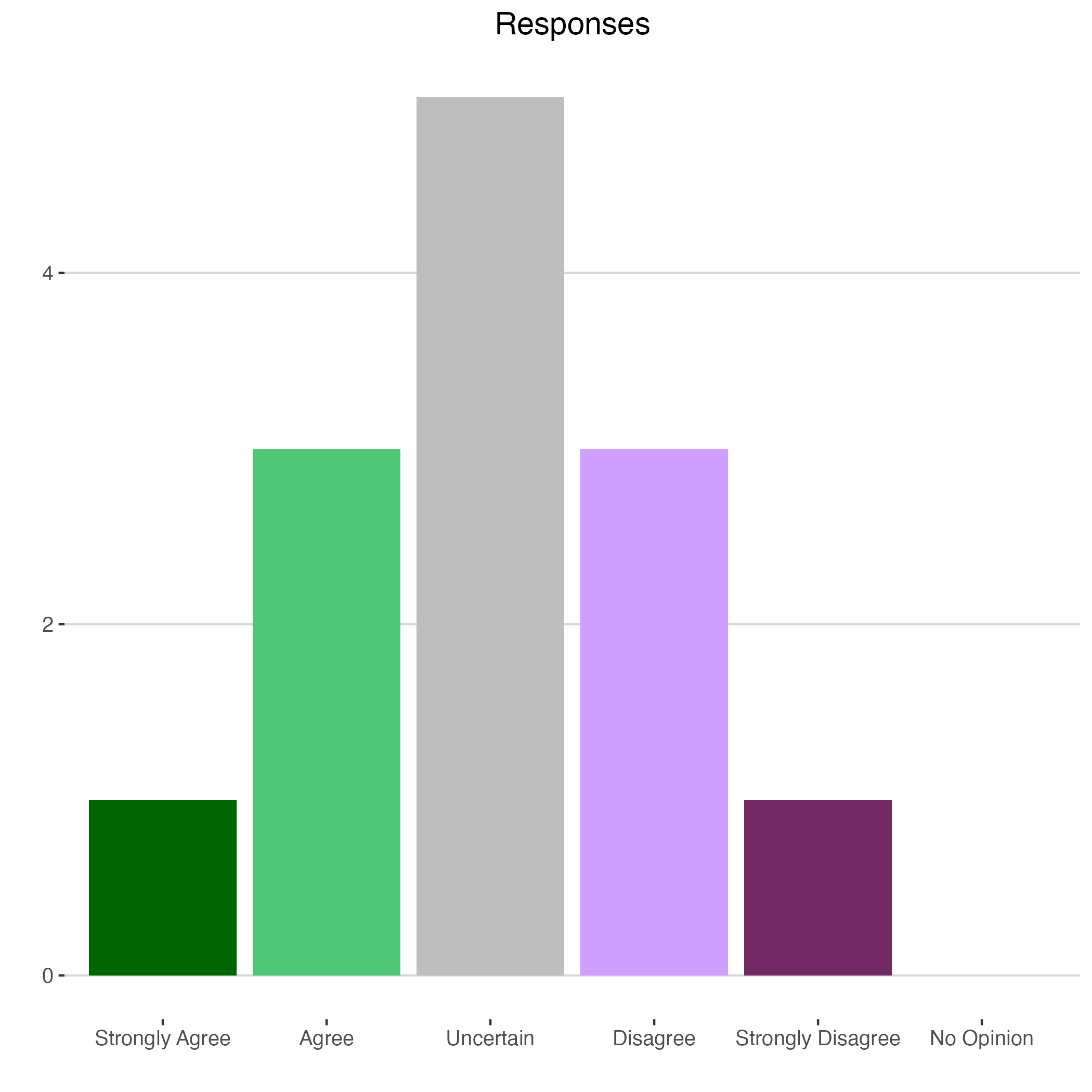
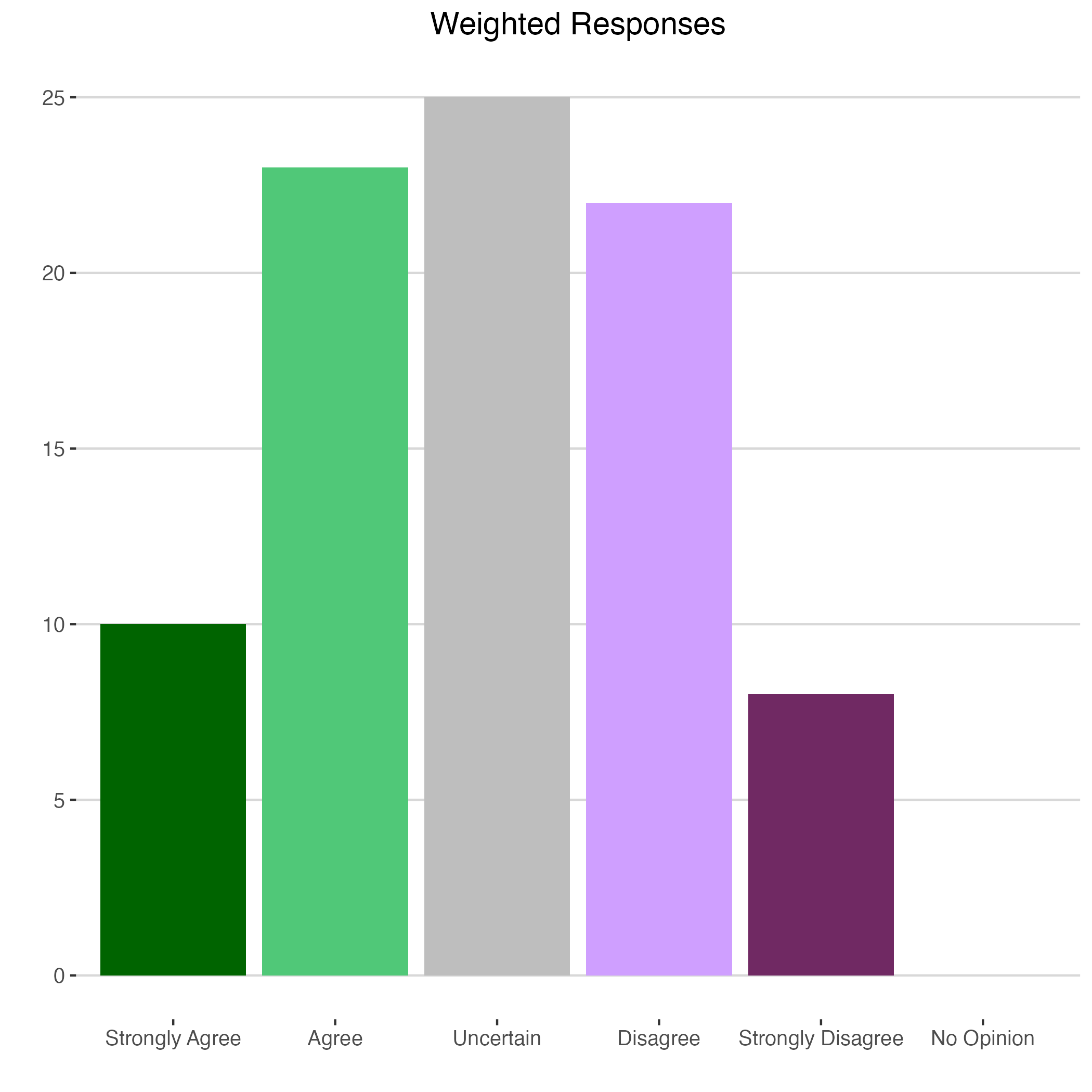
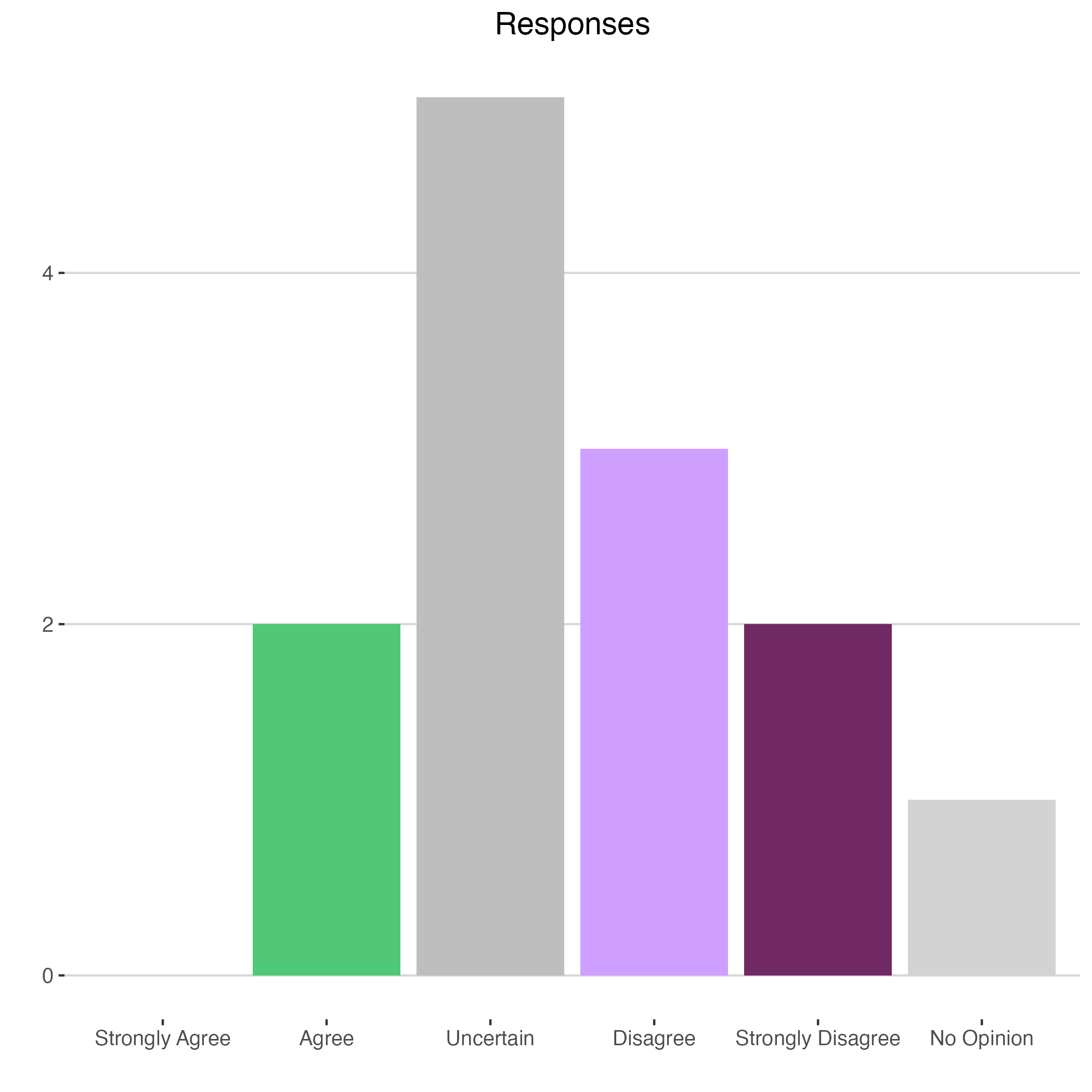
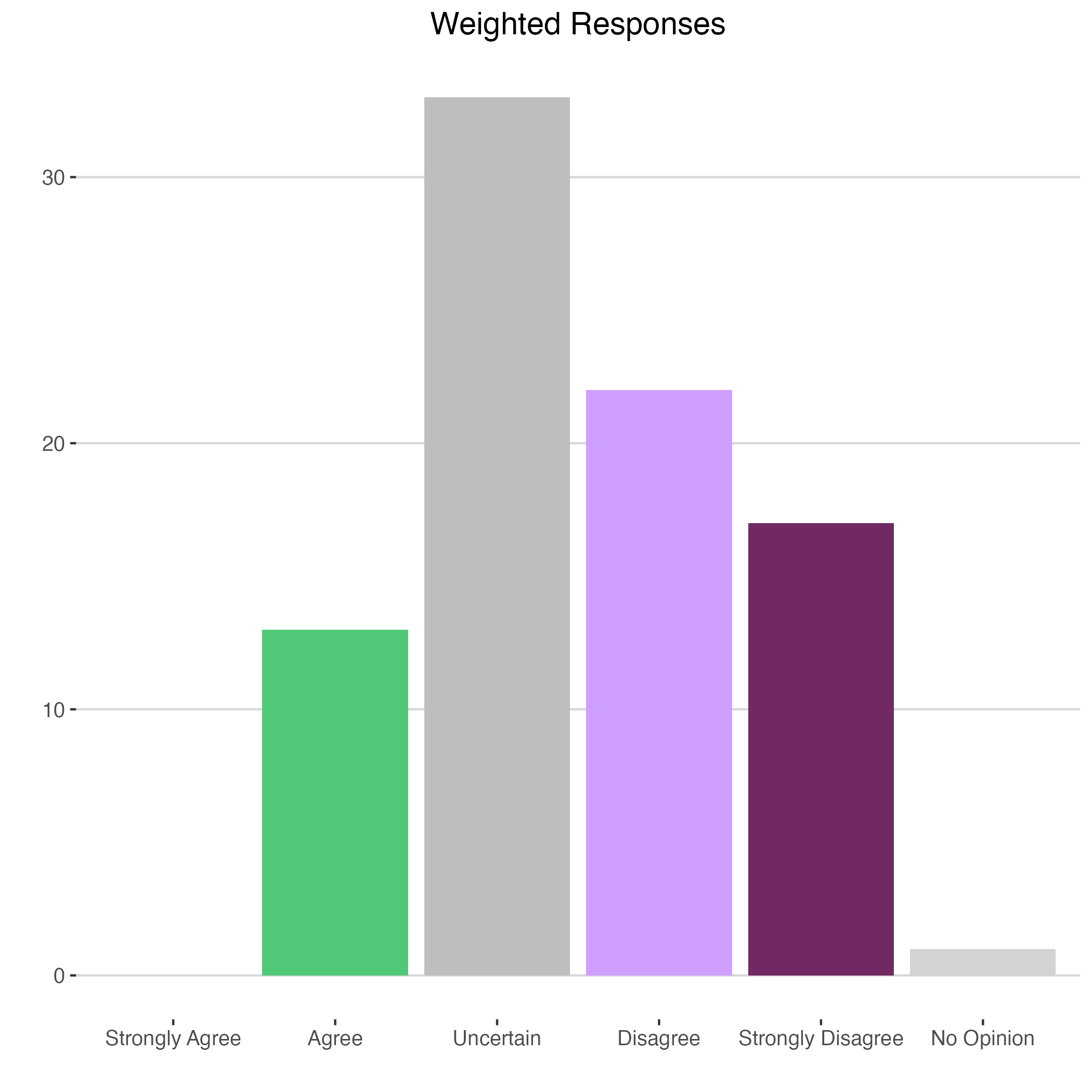
| David Brasington |
University of Cincinnati |
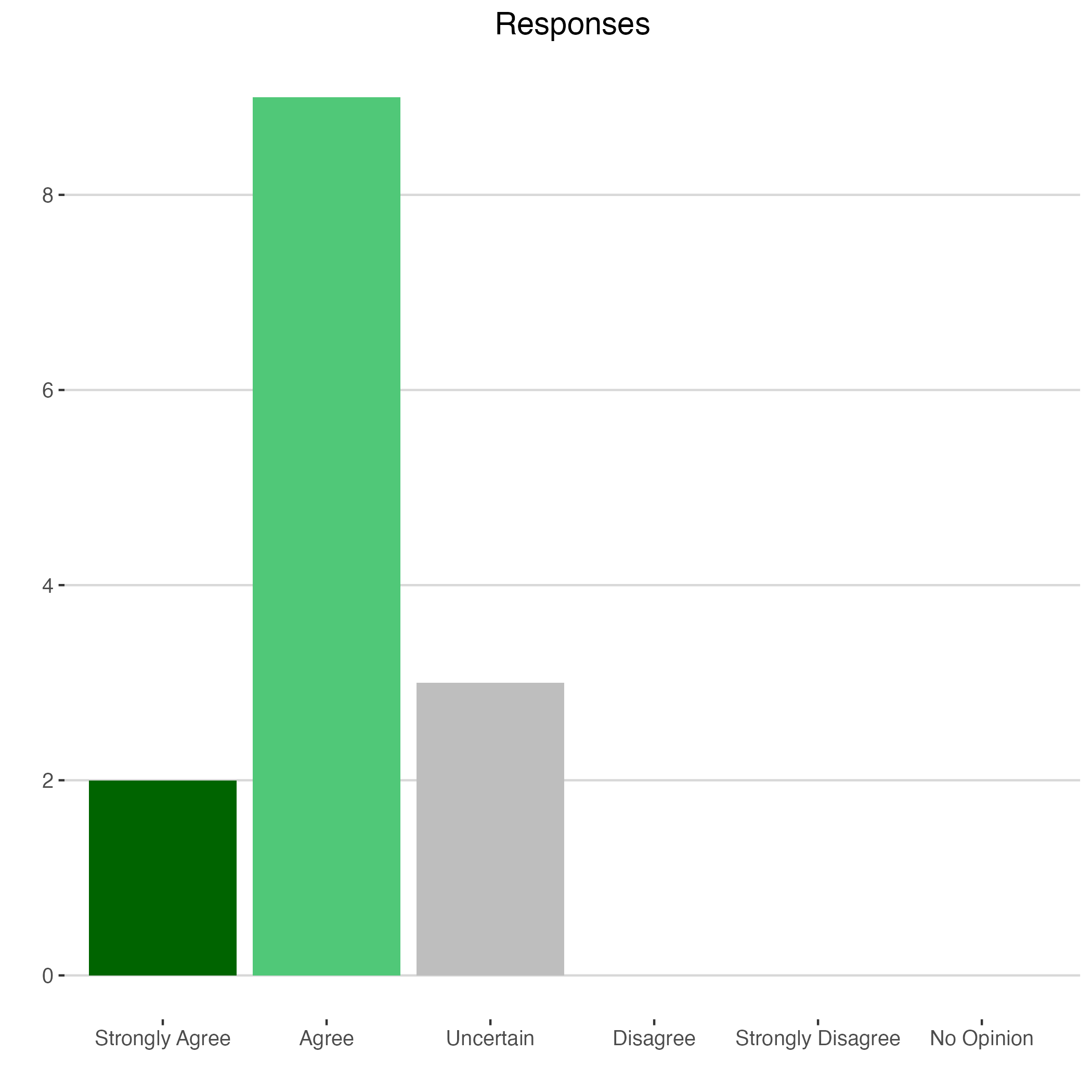
Uncertain |
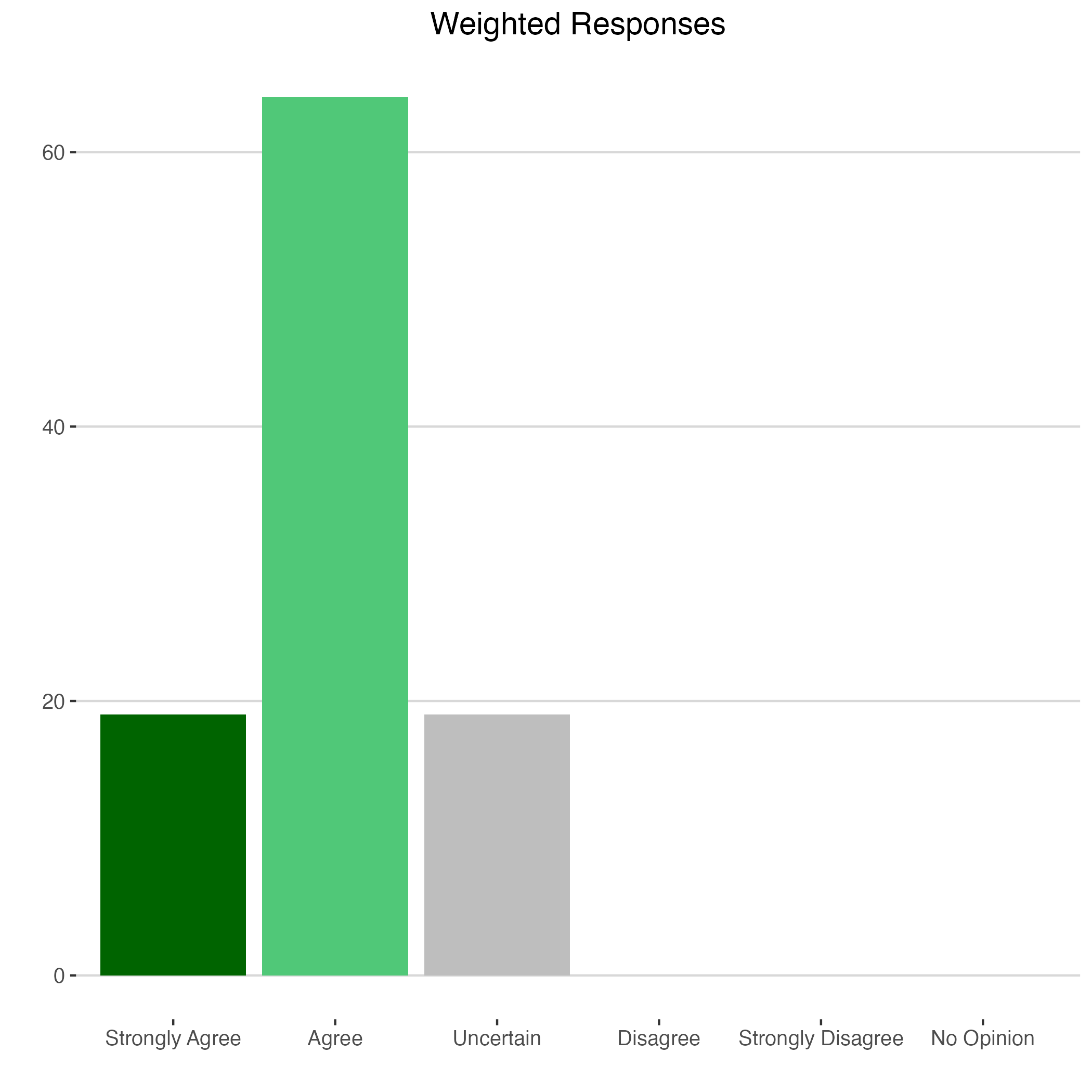
5 |
There would be some loss of human capital development balanced by some tax savings. The real issue isn't the number of universities; it's whether our higher ed institutions are producing the skills and talent employers need. Analyzing Ohio universities based on the state's return on investment in them might reveal some that deserve less investment and others that deserve more. Ohio's SSI (State Share of Instruction) is a performance-based funding formula that tries to get at this, but maybe the formula could be improved. |
| Ron Cheung |
Oberlin College |
Agree |
8 |
|
| Kevin Egan |
University of Toledo |
Agree |
7 |
On average college graduates earn more reflecting their extra value to the economy. Closing any local public university will reduce some local commuters from attending college and thus will reduce valuable workers to the economy in the long-term.
Moreover, currently about maybe 15% to 30% of the Univ. of Toledo budget is from state subsidy. How low does this number go before we stop calling these universities "public state universities"? If the state continues to decrease total funding for public universities maybe some will choose to switch to being private institutions with more flexibility and no state oversite. |
| Kenneth Fah |
Ohio Dominican University |
Agree |
9 |
|
| Vinnie Gajjala |
Tiffin Univeristy |
Agree |
9 |
|
| Bob Gitter |
Ohio Wesleyan University |
Strongly Agree |
9 |
An educated work force is still important for the economic output of Ohio. We need doctors, nurses, engineers, scientists, and so many other fields, too.
|
| Charles Kroncke |
Mount Saint Joseph University |
Agree |
8 |
His plan will make Ohio less attractive to people who might move here. |
| Joe Nowakowski |
Muskingum University |
Agree |
7 |
|
| Curtis Reynolds |
Kent State University |
Agree |
6 |
I am less confident about this for one simple reason: Ohio struggles to keep the college graduates that we create. If the state cannot keep college graduates then producing college graduates may matter less (from the perspective of the state). So trying to keep more graduates would seem to be a related problem. However, quality higher education is something that tends to facilitate economic activities so it doesn't seem like a good idea to reduce the number of institutions. |
| Ejindu Ume |
Miami University |
Agree |
8 |
|
| Andy Welki Welki |
John Carroll University |
Uncertain |
8 |
The relationship between the number of public universities and number of college graduates is uncertain. How much excess capacity is there in the public university system? |
| Rachel Wilson |
College Board |
Uncertain |
6 |
|