
Ohio Economic Experts Panel
Most Recent Survey
September 21, 2026: Data Center Policies
As elections approach, data centers have emerged at the forefront of policy debates. Some lawmakers are pushing for more data centers, while others are skeptical due to community and environmental concerns. In the past, Ohio has offered tax incentives to attract data centers, but other policy options–such as requiring behind-the-meter electricity generation, which would mean data centers are building their own electricity generation facilities, or banning data center construction–have gained traction.
Question A: Requiring new data centers to generate their energy behind-the-meter will prevent energy bill increases for Ohio residents.
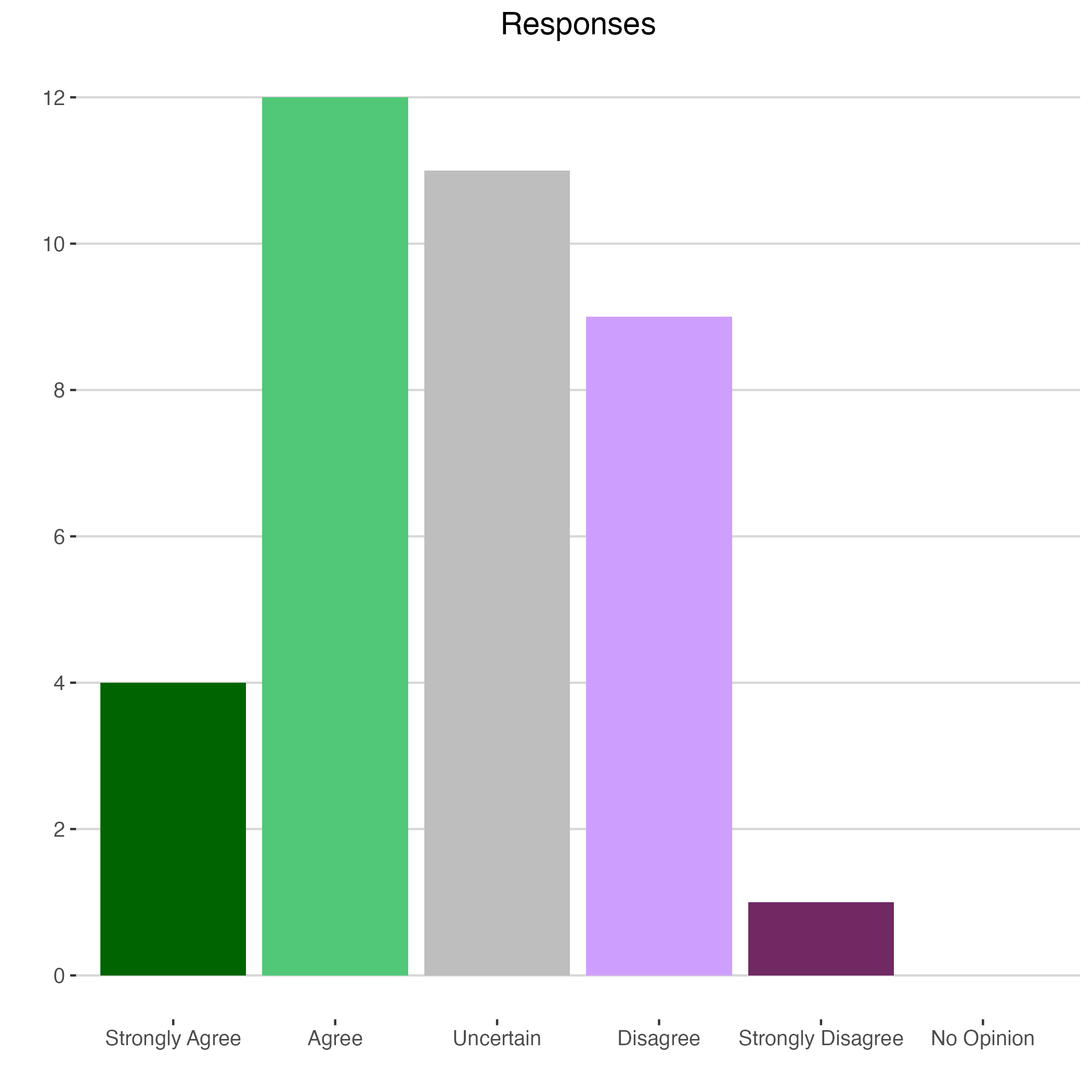
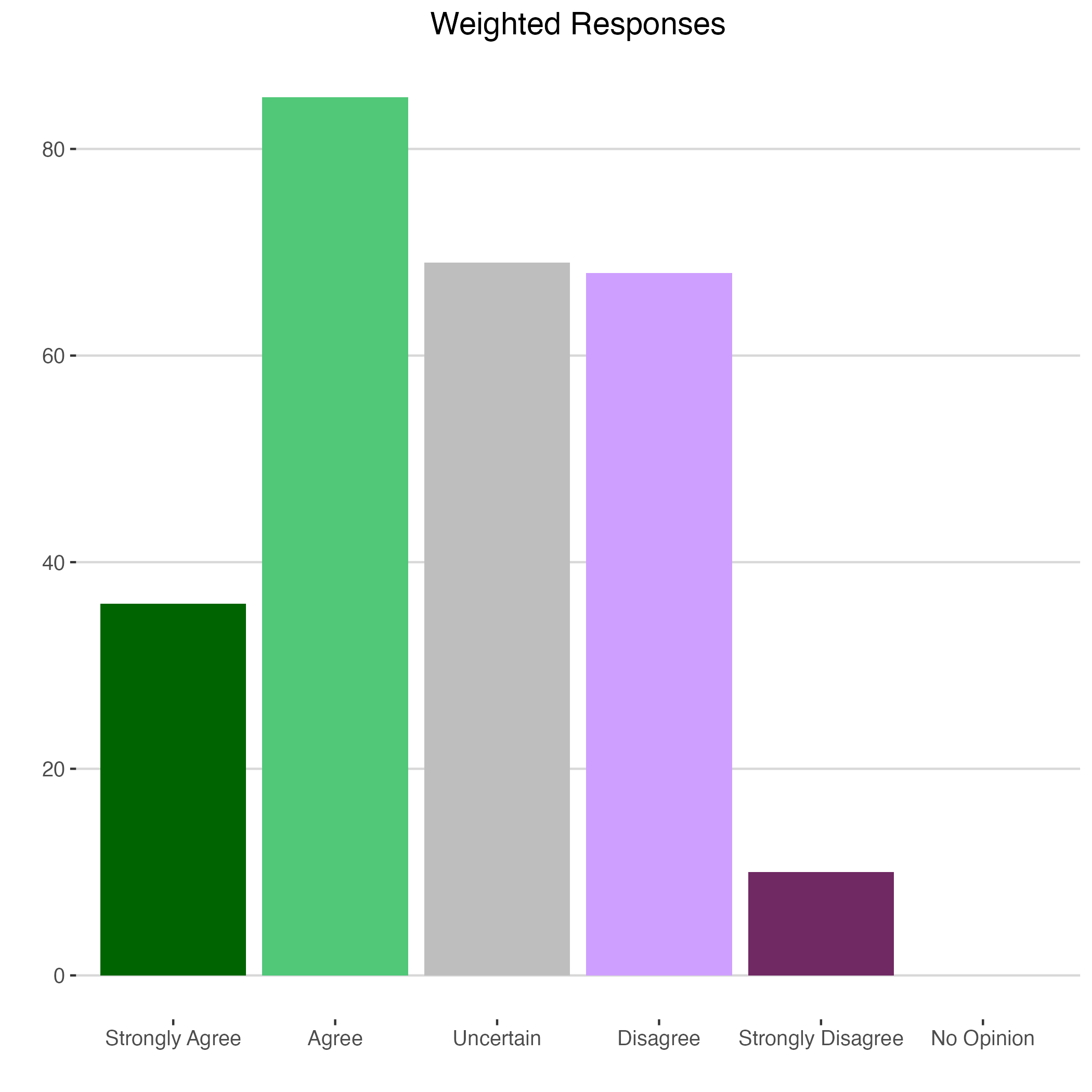
Question B: Requiring new data centers to generate their energy behind-the-meter will reduce the environmental costs of data centers in Ohio.
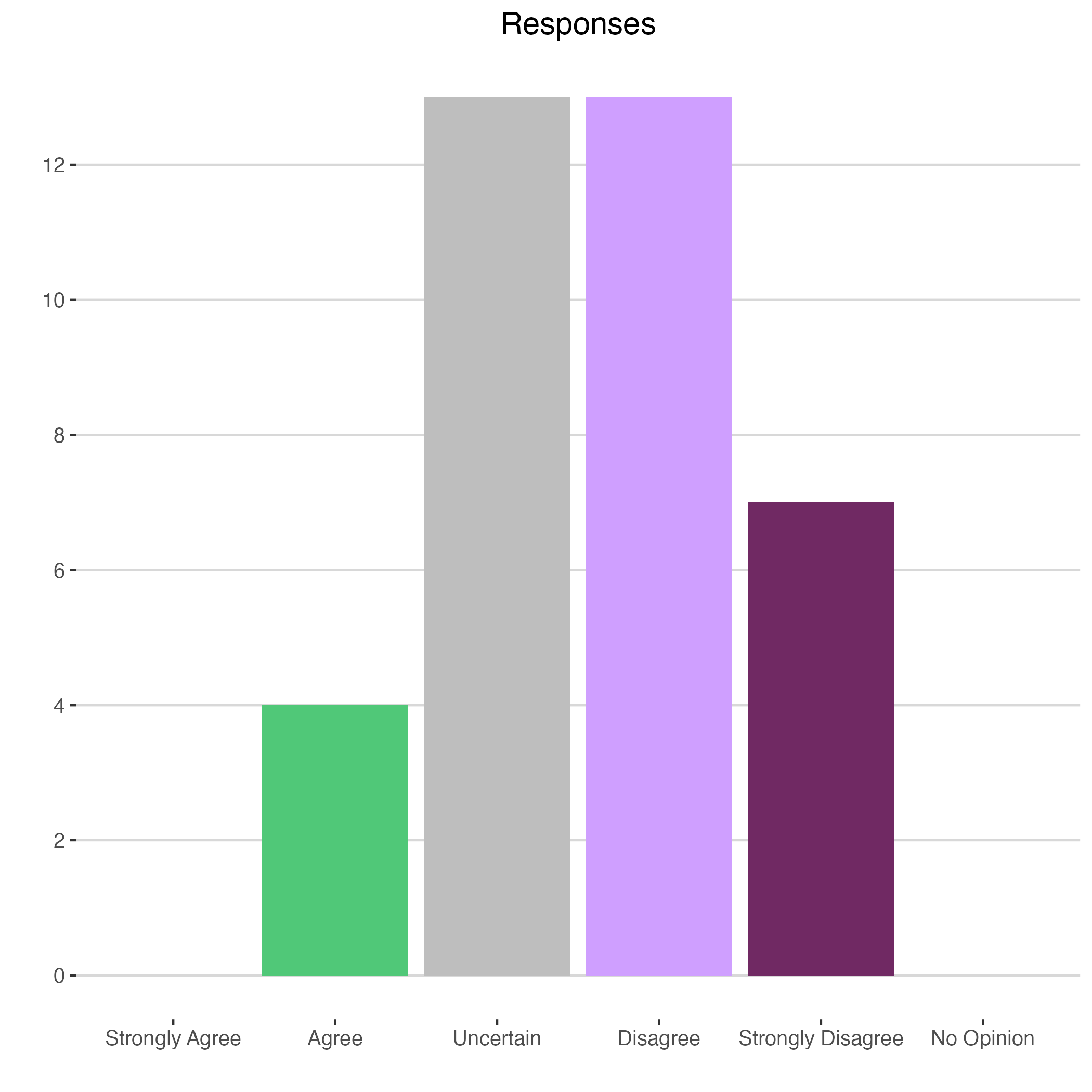
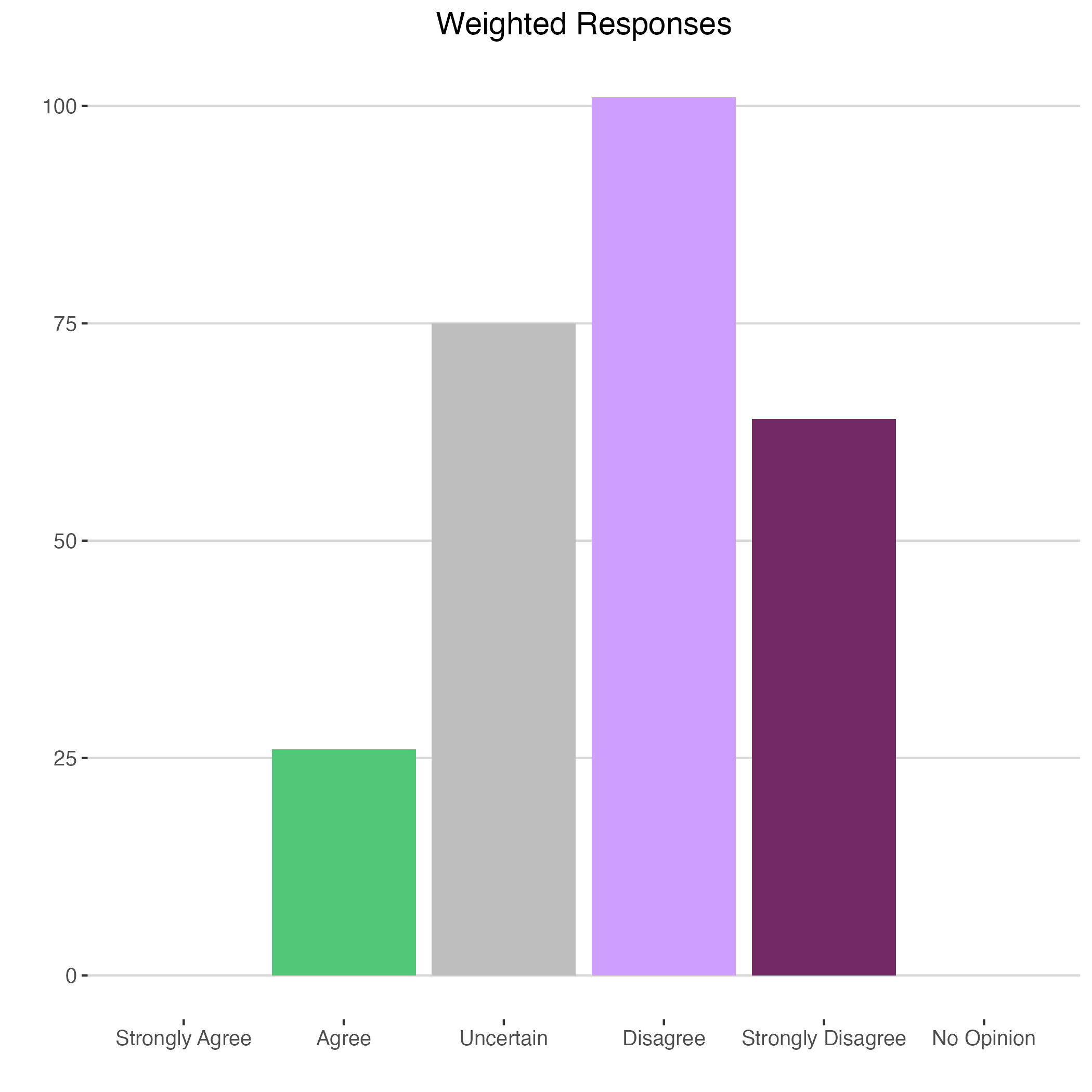
Question C: Local property tax abatements are an effective tool for attracting new data center development in Ohio.
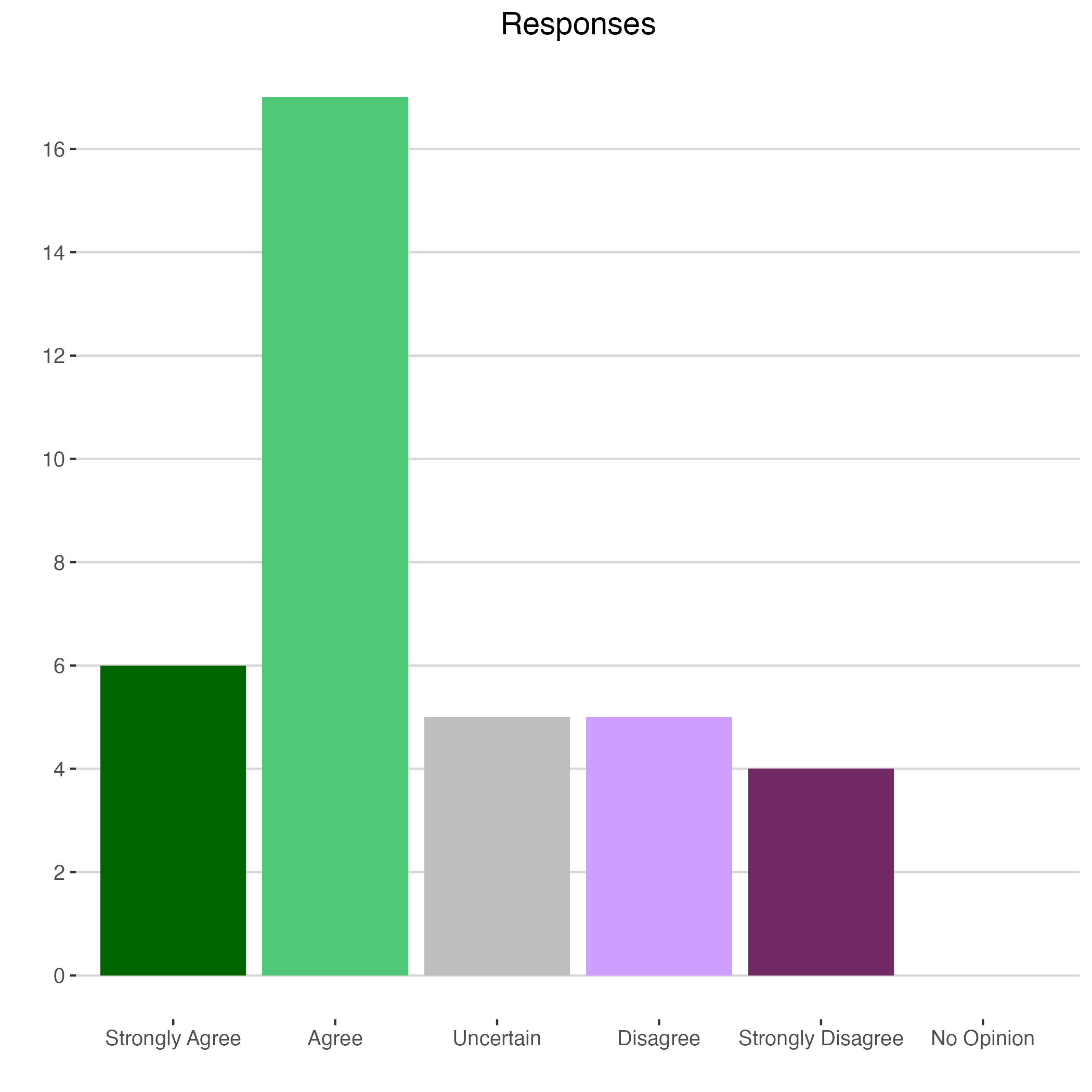
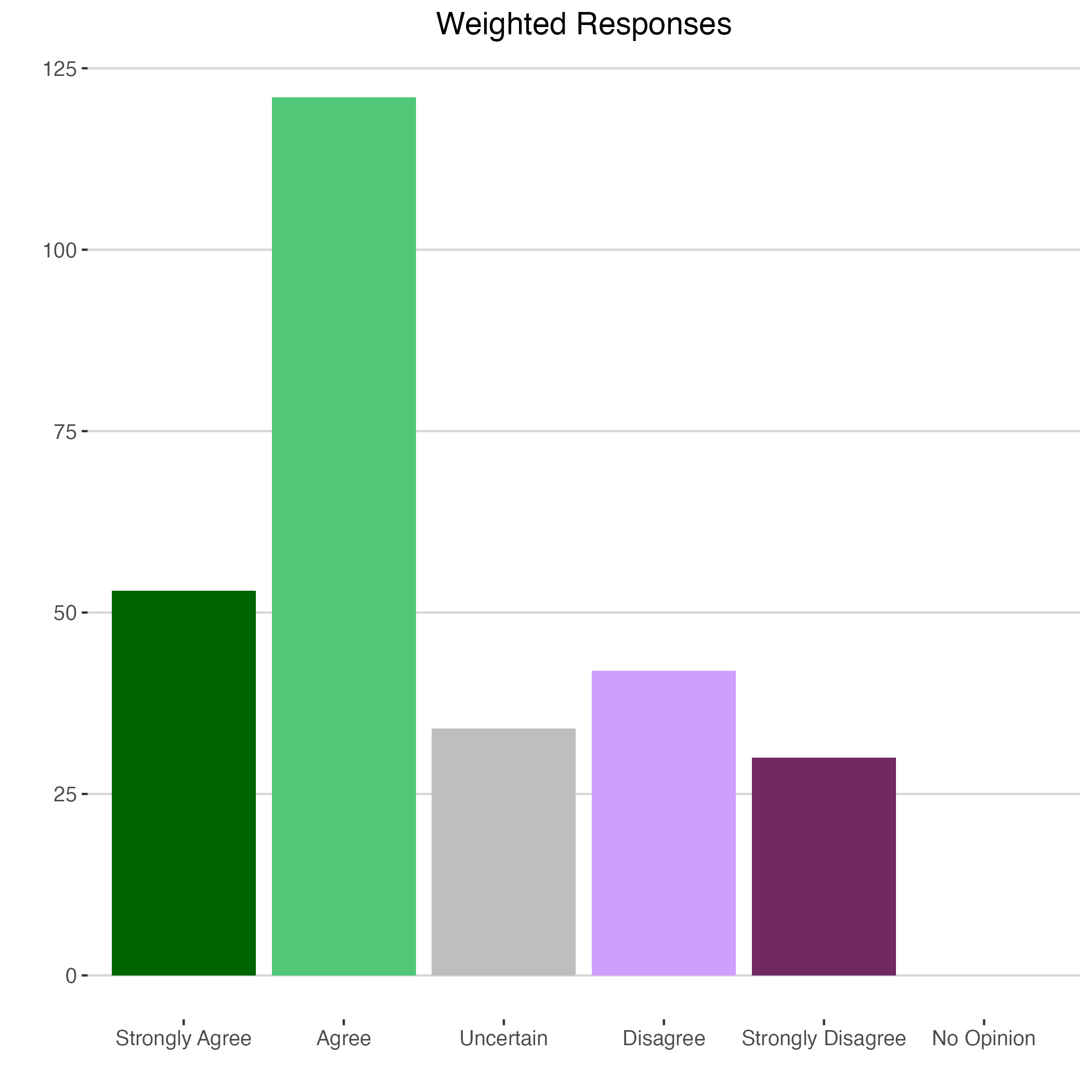

Panelists and their University Affiliations
Ohio Economic Experts Panel
Goal: Policymakers need information from experts to craft policy that is effective, efficient, and equitable. The Ohio Economic Experts Panel is a tool for promoting better policy outcomes by providing policymakers, policy influencers, and the public with the informed opinions of Ohio’s leading economists.
About: The Ohio Economic Experts Panel consists of over 40 economists from colleges and universities throughout the state of Ohio. Panelists answer monthly questions of relevance to state policy indicating the degree to which they agree or disagree with a policy question and their confidence in their answer based on available evidence.
The Ohio Economic Experts Panel is a social bottom line service of Scioto Analysis, a public policy analysis firm based in Columbus, Ohio.
Suggest Questions : If you would like to suggest a question for the Ohio Economic Experts Panel, please email it to michael@sciotoanalysis.com. Questions most likely to be chosen will be those posed as agree/disagree propositions.
View past surveys by topic: