Permanent Daylight Saving Time

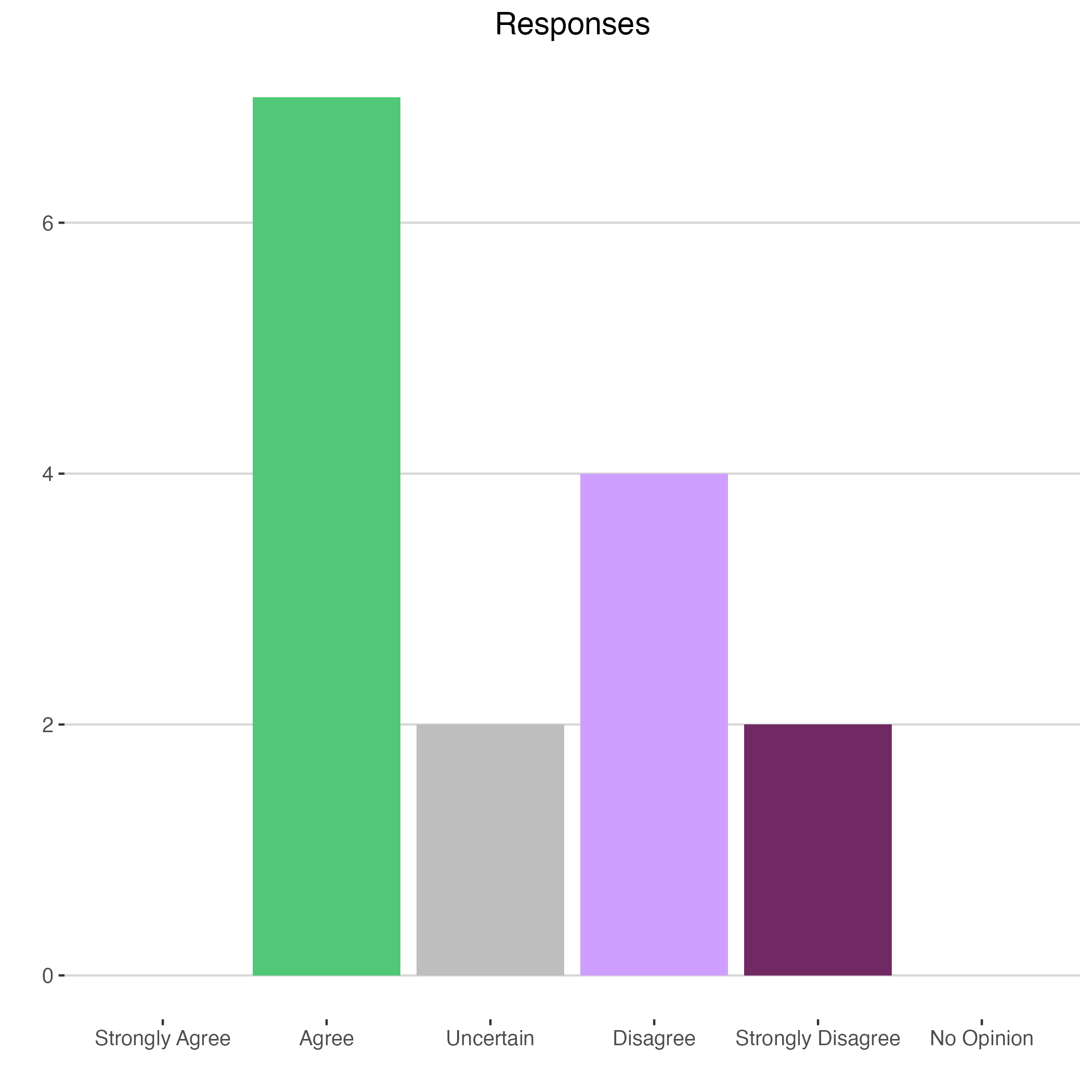
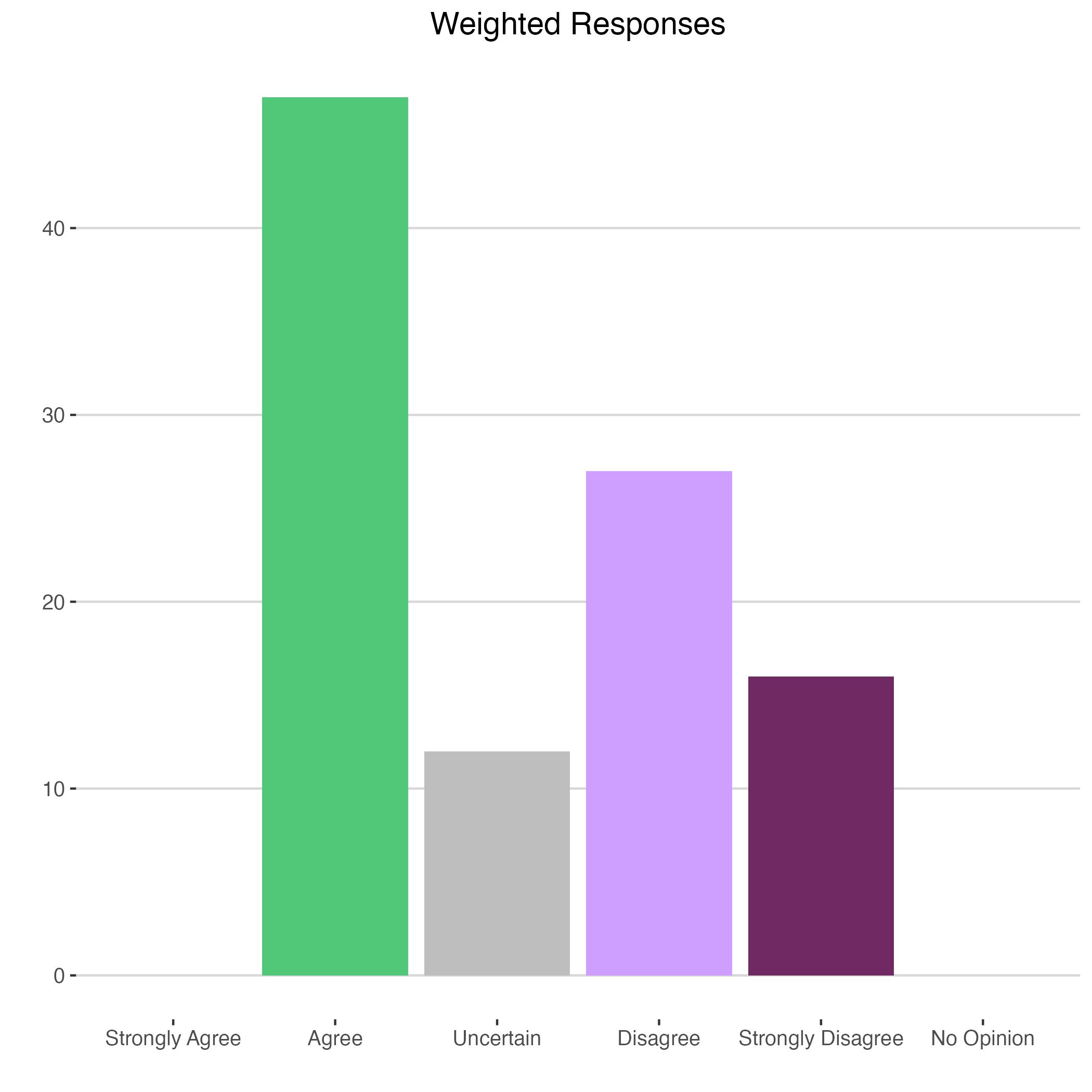
Question A: The twice yearly clock change harms Ohio's economy.

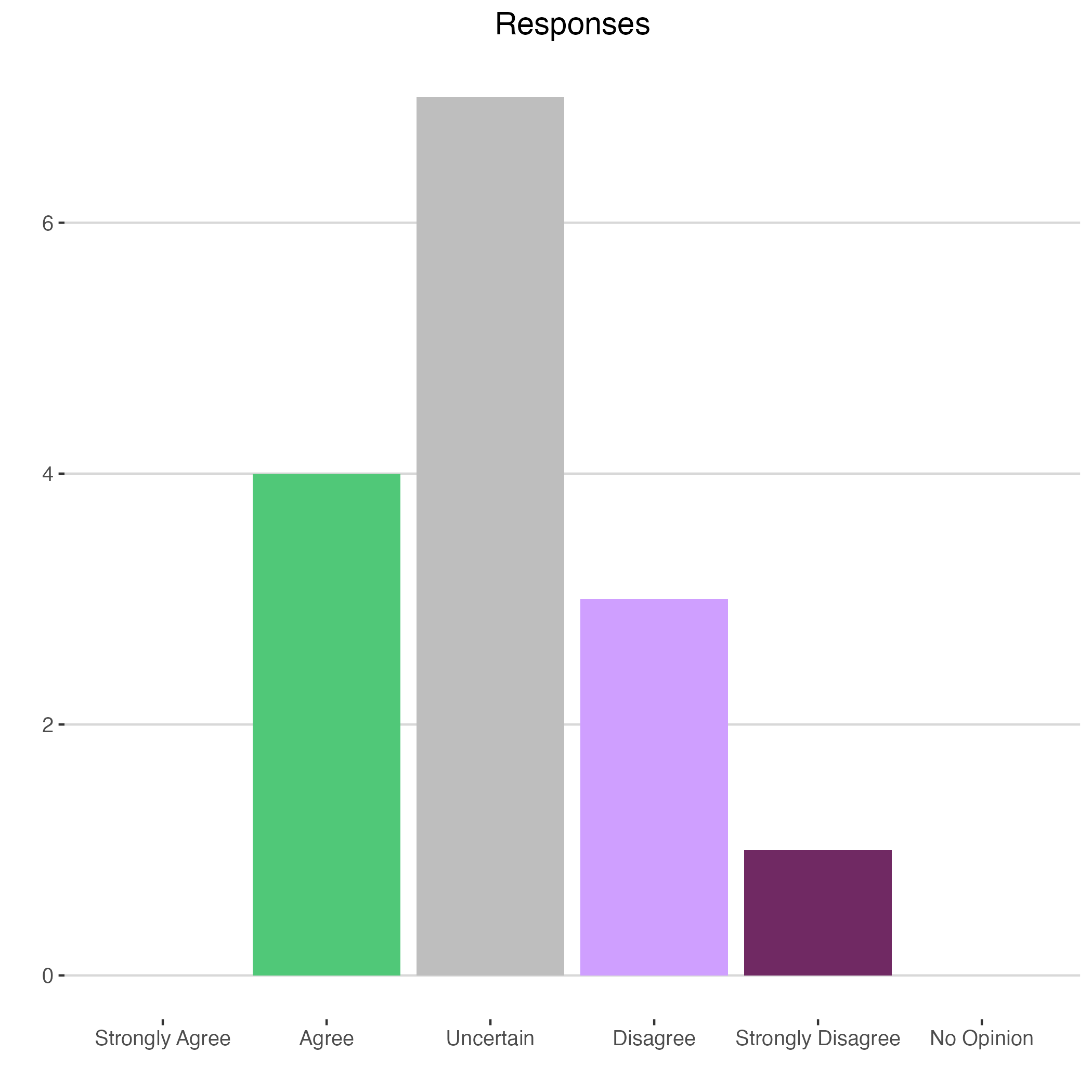
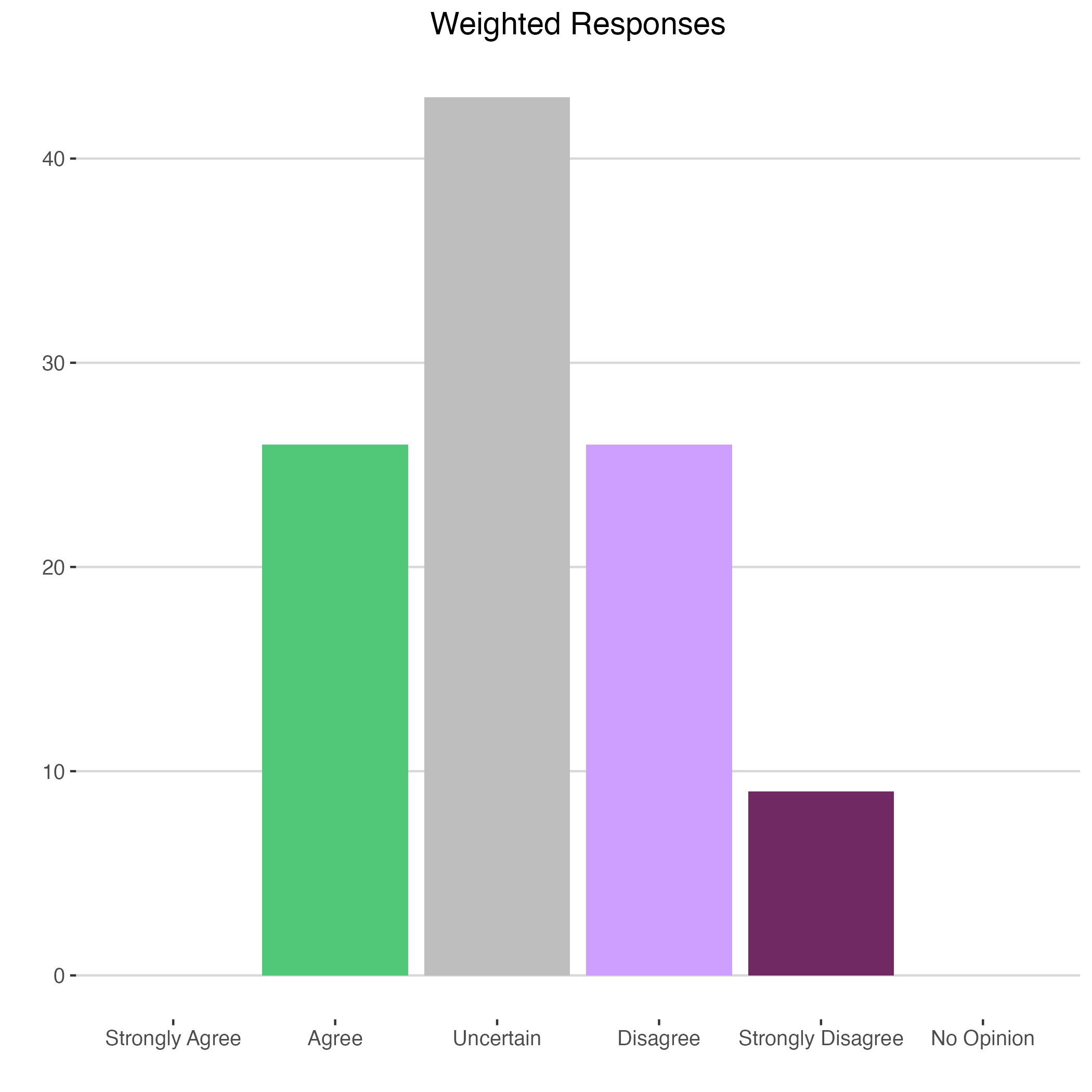
Question B: Adopting permanent Daylight Saving Time in Ohio will increase consumer spending on leisure, dining, and retail.

Question C: Adopting permanent Daylight Saving Time will improve the health and quality of life for Ohio residents.

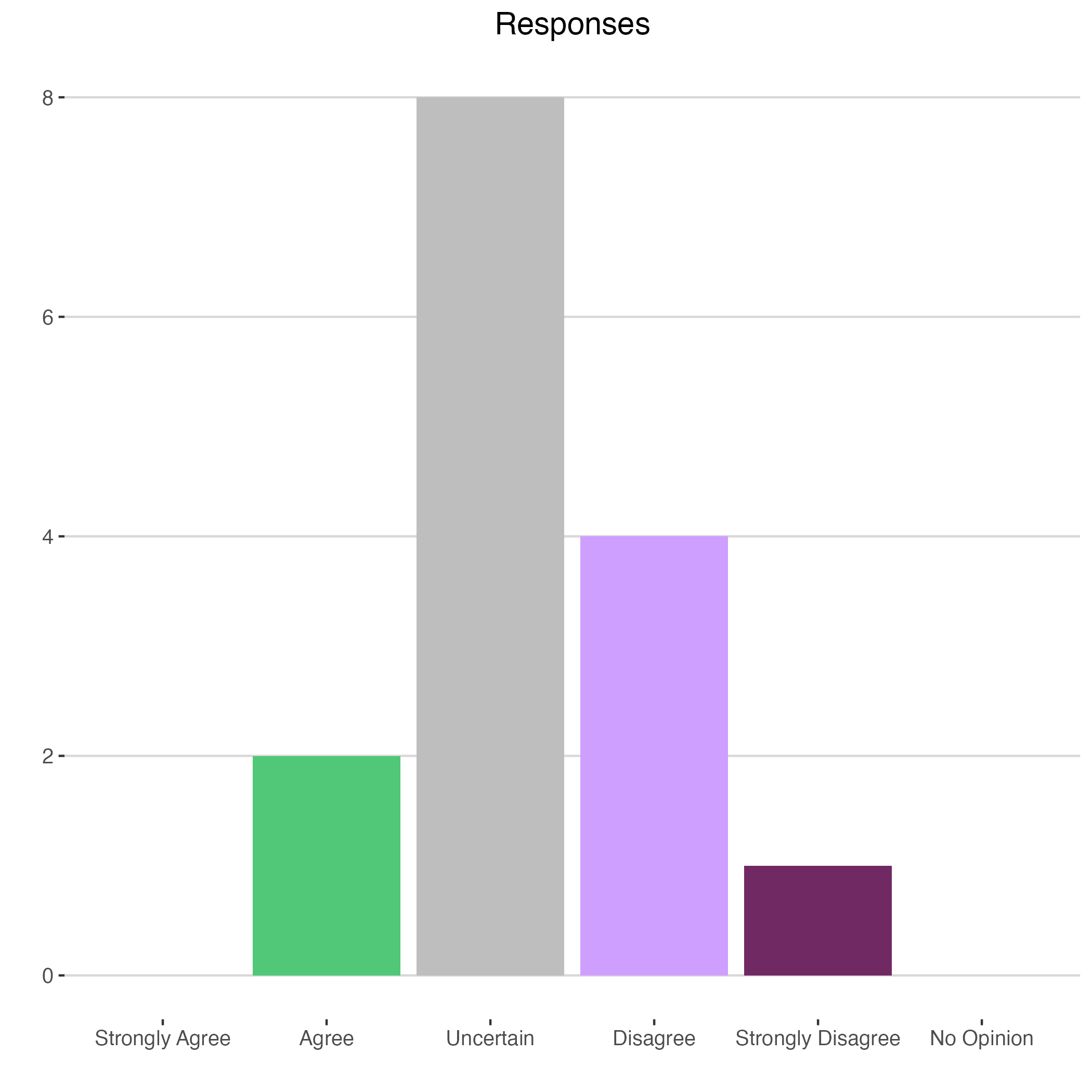
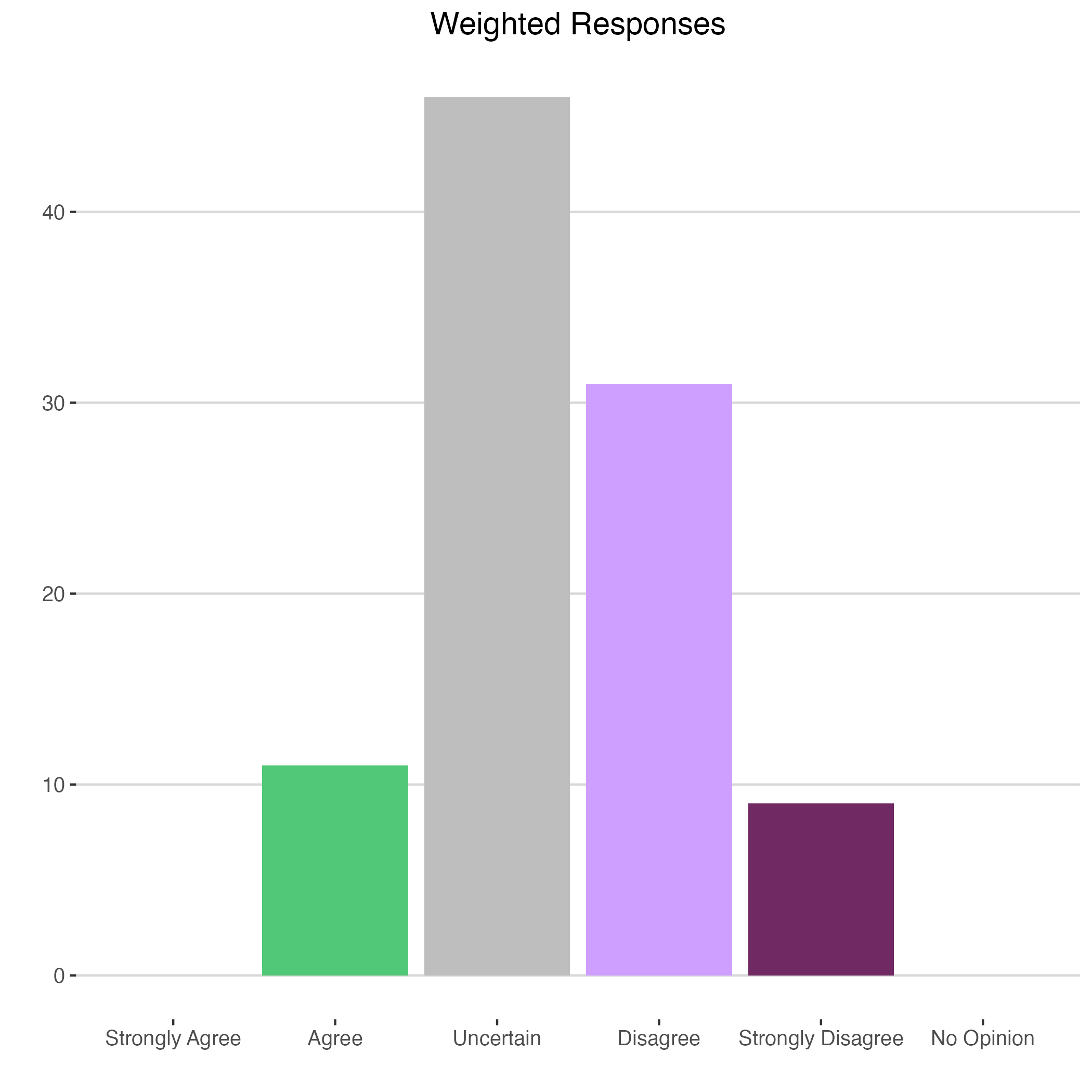
Question A: The twice yearly clock change harms Ohio's economy.

Economist Institution Opinion Confidence Comment
Jonathan Andreas Bluffton University Agree 7 It creates unnecessary scheduling costs each time and problems with sleepiness when it springs forward.
David Brasington University of Cincinnati Strongly Disagree 8 There are modest costs to health (sleep & subsequent accidents) of "falling back" with the time change, and modest increases in retail activity by extending daylight hours.
Ron Cheung Oberlin College Disagree 6
Kevin Egan University of Toledo Disagree 5 The benefits and costs about balance out and whether you are for it or against primarily will come down to: do you want an extra hour of daylight in the morning in the winter or at night in the winter? In other words, are you a "morning person" or not? However, an additional factor is that there is a cost of switching the time twice per year with some studies showing a small increase in car accidents after Daylight Saving Time due to the hour adjustment and also small health impacts. USA already tried eliminating DST in the 1970s and it was not popular and abandoned but it's been over 50 years so I am indifferent to trying the experiment again and seeing how it goes...but again do it or don't do it there will be small benefits and small costs either way and no major impact overall.
Kenneth Fah Ohio Dominican University Uncertain 7
Will Georgic Ohio Wesleyan University Uncertain 5
Charles Kroncke Mount Saint Joseph University Agree 7 The change hurts our economy because it is disruptive and harmful to human health. However, I don't think the economy is hurt significantly.
Bill LaFayette Regionomics Agree 8 The big impact comes from throwing off people's circadian rhythm when the time changes. There are more traffic crashes, more strokes and heart attacks, and errors at work that could have financial implications.
Trevon Logan Ohio State University Disagree 9
Joe Nowakowski Muskingum University Agree 8
Curtis Reynolds Kent State University Disagree 7
Iryna Topolyan University of Cincinnati Agree 6
Ejindu Ume Miami University Strongly Disagree 8
Andy Welki John Carroll University Agree 8
Kathryn Wilson Kent State University Agree 3 Research has shown that there is less worker productivity in the days after the time switch. This would suggest reduced economic output. However, it is a relatively small drop in productivity and only for a couple days, so do not think it would cause a meaningful change in the economy.

Question B: Adopting permanent Daylight Saving Time in Ohio will increase consumer spending on leisure, dining, and retail.

Economist Institution Opinion Confidence Comment
Jonathan Andreas Bluffton University Agree 8 The morning hasn't been as much of a time for spending as the evening, so retailers like this proposal!
David Brasington University of Cincinnati Agree 8
Ron Cheung Oberlin College Disagree 8
Kevin Egan University of Toledo Disagree 10 This makes no sense. You think Ohio citizens have extra disposable income right now they are choosing not to spend because of daylight? If there is any small increase in spending in the extra hour of light at night during the winter it will be offset by less spending somewhere else.
Kenneth Fah Ohio Dominican University Uncertain 7
Will Georgic Ohio Wesleyan University Agree 7
Charles Kroncke Mount Saint Joseph University Uncertain 5
Bill LaFayette Regionomics Uncertain 7 The argument runs that later daylight will induce people to spend more after they leave work. That could be, especially for older people who have trouble driving in the dark, but it seems that any impact would be small.
Trevon Logan Ohio State University Strongly Disagree 9
Joe Nowakowski Muskingum University Disagree 8
Curtis Reynolds Kent State University Uncertain 5
Iryna Topolyan University of Cincinnati Uncertain 6
Ejindu Ume Miami University Uncertain 7
Andy Welki John Carroll University Uncertain 6
Kathryn Wilson Kent State University Agree 3 Credit card data shows that there is a drop in retail and restaurant spending when clocks turn back in the fall and there is less light in the evening, suggesting more spending on leisure, dining, and retail if permanent DST were adopted. However, that would likely be offset by less spending elsewhere in the economy.

Question C: Adopting permanent Daylight Saving Time will improve the health and quality of life for Ohio residents.

Economist Institution Opinion Confidence Comment
Jonathan Andreas Bluffton University Agree 3 Making our time permanent is better than shifting the clock twice each year, but the health benefits of permanent daylight savings time might be smaller than permanently staying on what I call 'daylight wasting time'. Obviously, I personally prefer staying with daylight savings time (DST), but either option is better than switching. The additional morning darkness of permanent DST is potentially a bit problematic for early risers such as kids commuting to schools which already begin way too early in the morning -- it is already hurting their health, particularly in western Ohio! But this could be easily solved--schools should start an hour later! That would help boost learning and test scores, especially for high school students who do particularly poorly so early in the morning! So we could have the best of both worlds by making DST permanent AND shifting school schedules an hour later to start at 9AM like many office workers do. But if you want to keep forcing people to get up too early AND waste sunlight, just shift to permanent daylight wasting time instead of permanent DST. That is still an improvement.
David Brasington University of Cincinnati Disagree 8 Adjusting to setting the clock back an hour has been shown to have temporary costs associated with less sleep, like increased accidents, but these are temporary and modest.
Ron Cheung Oberlin College Uncertain 6
Kevin Egan University of Toledo Uncertain 5 Again there are tradeoffs here. Some studies show small increase in accidents and health incidents due to switching the clock twice per year but there also will be disruptions to morning commuters in the winter traveling more in the dark so I don't know.
Kenneth Fah Ohio Dominican University Uncertain 7
Will Georgic Ohio Wesleyan University Uncertain 3
Charles Kroncke Mount Saint Joseph University Uncertain 5 My understanding is that permanent standard time is expected to be more in line with health benefits.
Bill LaFayette Regionomics Uncertain 7 There would be positive impacts on health around clock change dates, but that would be offset at least partially by morning darkness. In Columbus, sunrise would occur after 8am from the end of October to the end of February. Sunrise toward the end of December would be around 8:50.
Trevon Logan Ohio State University Strongly Disagree 9
Joe Nowakowski Muskingum University Uncertain 8
Curtis Reynolds Kent State University Disagree 8 Having the sun not rise until 9am in January is not going to be good for anyone. It will be particularly bad for kids who have to go to school in the dark.
Iryna Topolyan University of Cincinnati Disagree 7 The twice yearly clock change harms the Ohio (and any) economy due to increased risk of accidents and overall negative health effects due to circadian rhythm disruptions. Those harms may be partially offset by the benefit of avoiding morning commute in the dark during the months when the daylight is at it lowest. Adopting permanent Daylight Saving Time will, on the other hand, expose many drivers to morning commute in the dark, which will increase the number of accidents. Moreover, schoolchildren will be less safe waiting for a school bus or walking to school in the dark. Overall, some of the most vulnerable members of the society will lose from permanent Daylight Saving Time, including individuals with inflexible work arrangements, schoolchildren and their parents/guardians, while those with flexible work schedules, who tend to be better-off than the average person, will benefit. The overall benefits for the Ohio economy are not clear; there may well be a net loss.
Ejindu Ume Miami University Disagree 8
Andy Welki John Carroll University Agree 8
Kathryn Wilson Kent State University Uncertain 5 There are conflicting effects that I would expect. Research shows that the time change disrupts sleep patterns with increases in the rates of strokes and heart attacks after a switch; this suggests keeping on the same time year round would be beneficial. However, when permanent daylight savings was instituted in the 1970's, there were a number of children killed on their way to school in the morning when the mornings were darker and public support for permanent DST fell quickly suggesting that at least at that time people did not feel it was an increase in quality of life (and resulting in a quick reversal of the change to permanent DST).