Taxes

University Consolidation

Question A: Reducing the number of universities in Ohio would generate savings for the state of Ohio.

Question B: Reducing the number of universities in Ohio would reduce Ohio's bachelor's degree attainment rate.

Question C: Reducing the number of universities in Ohio would reduce long-term economic output in the state of Ohio.

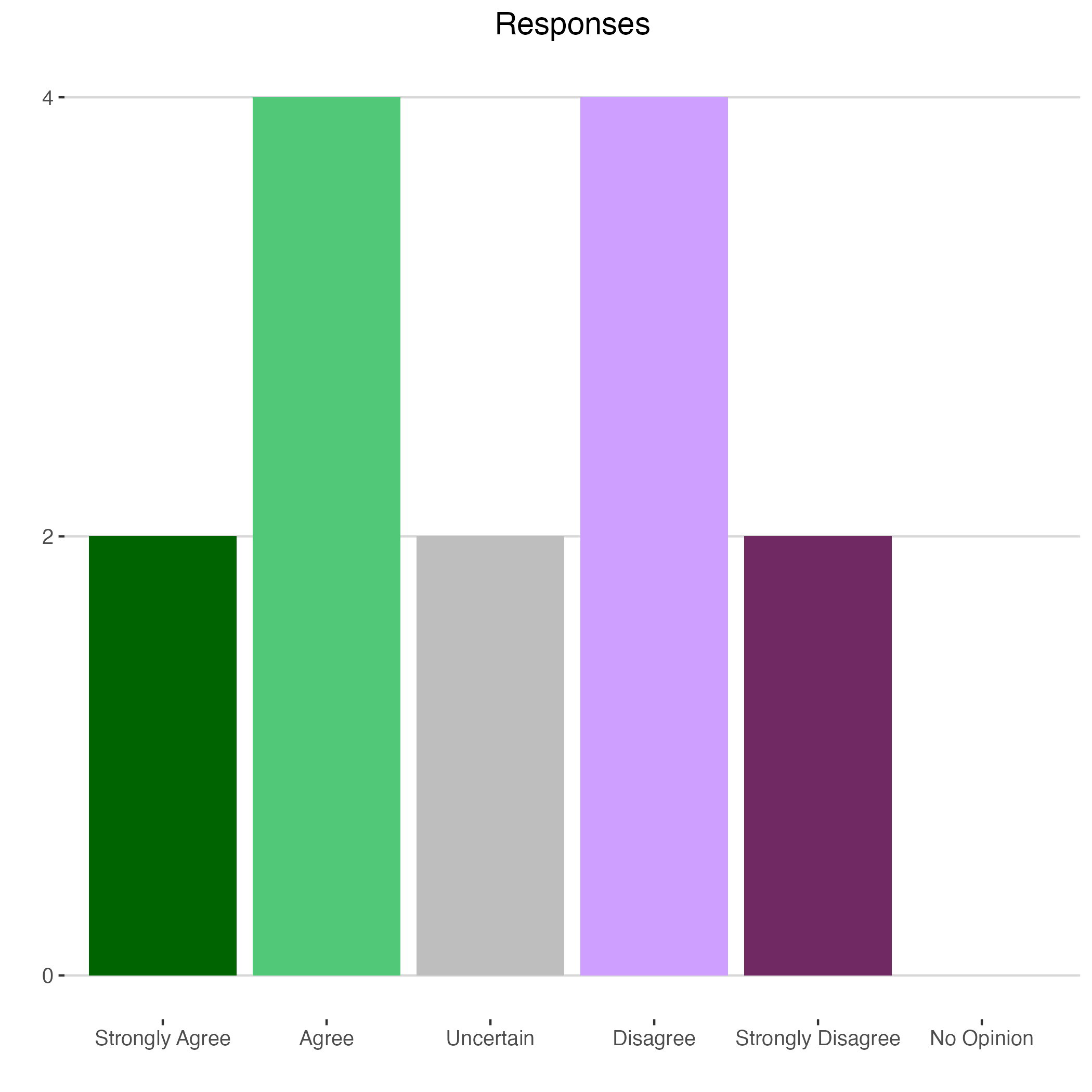
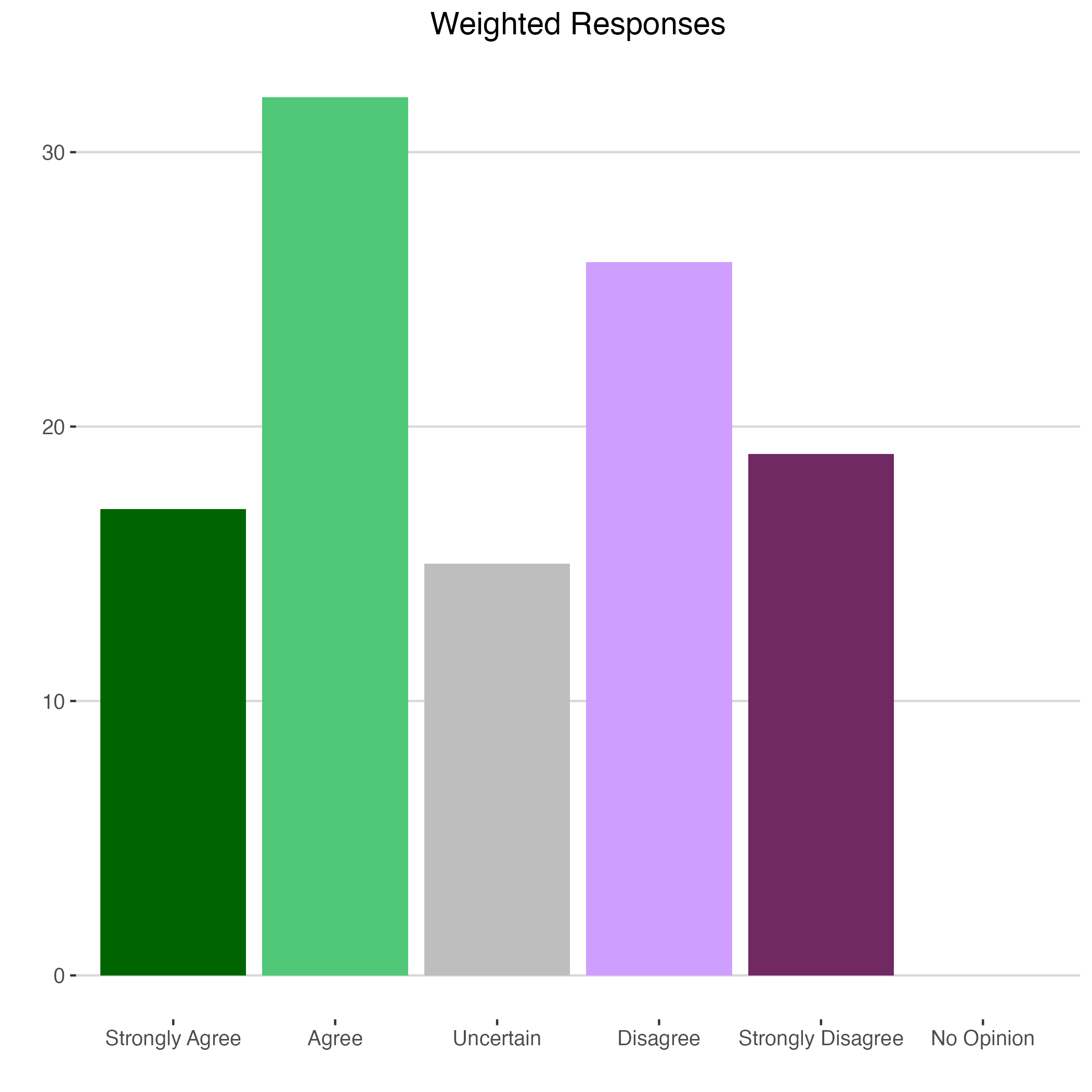
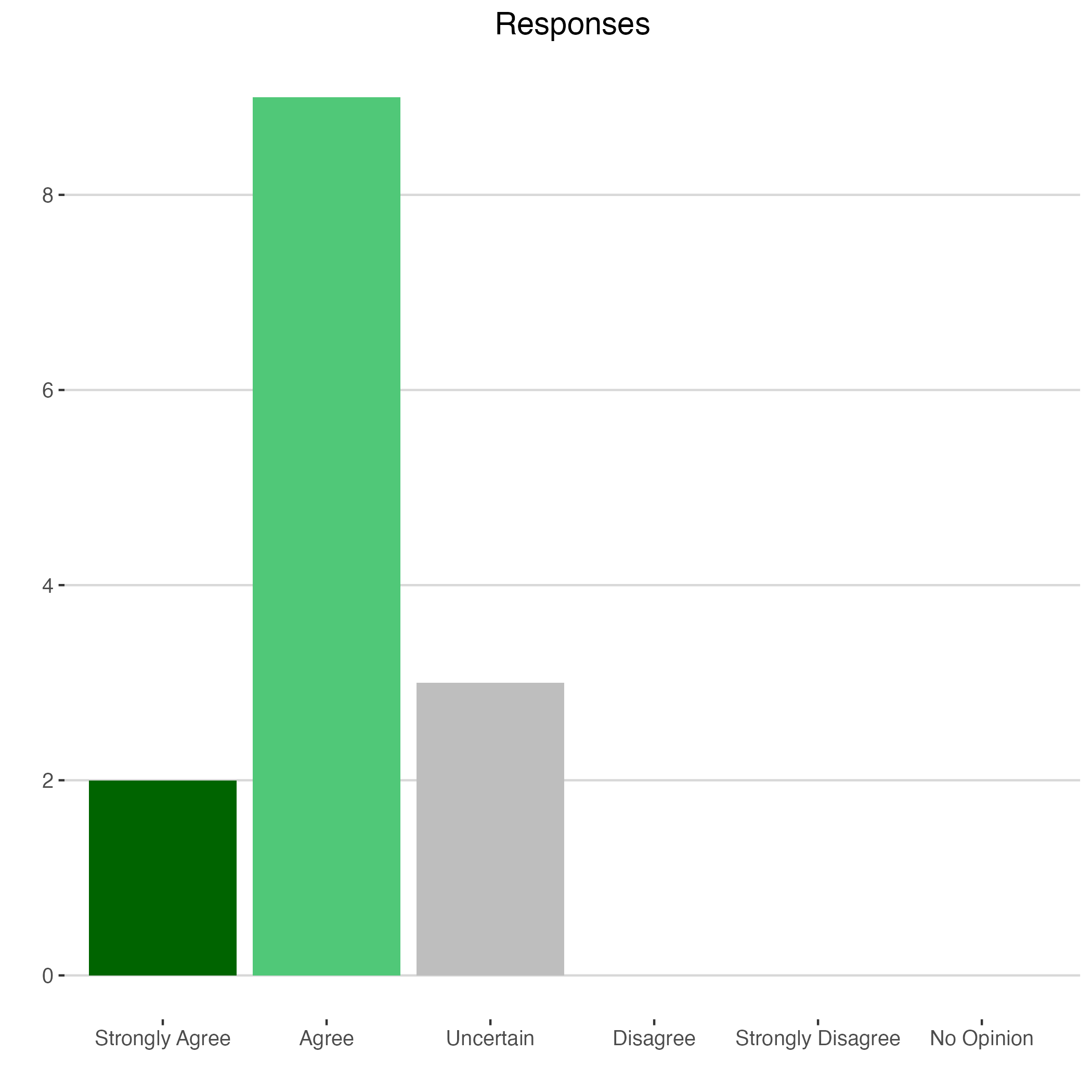
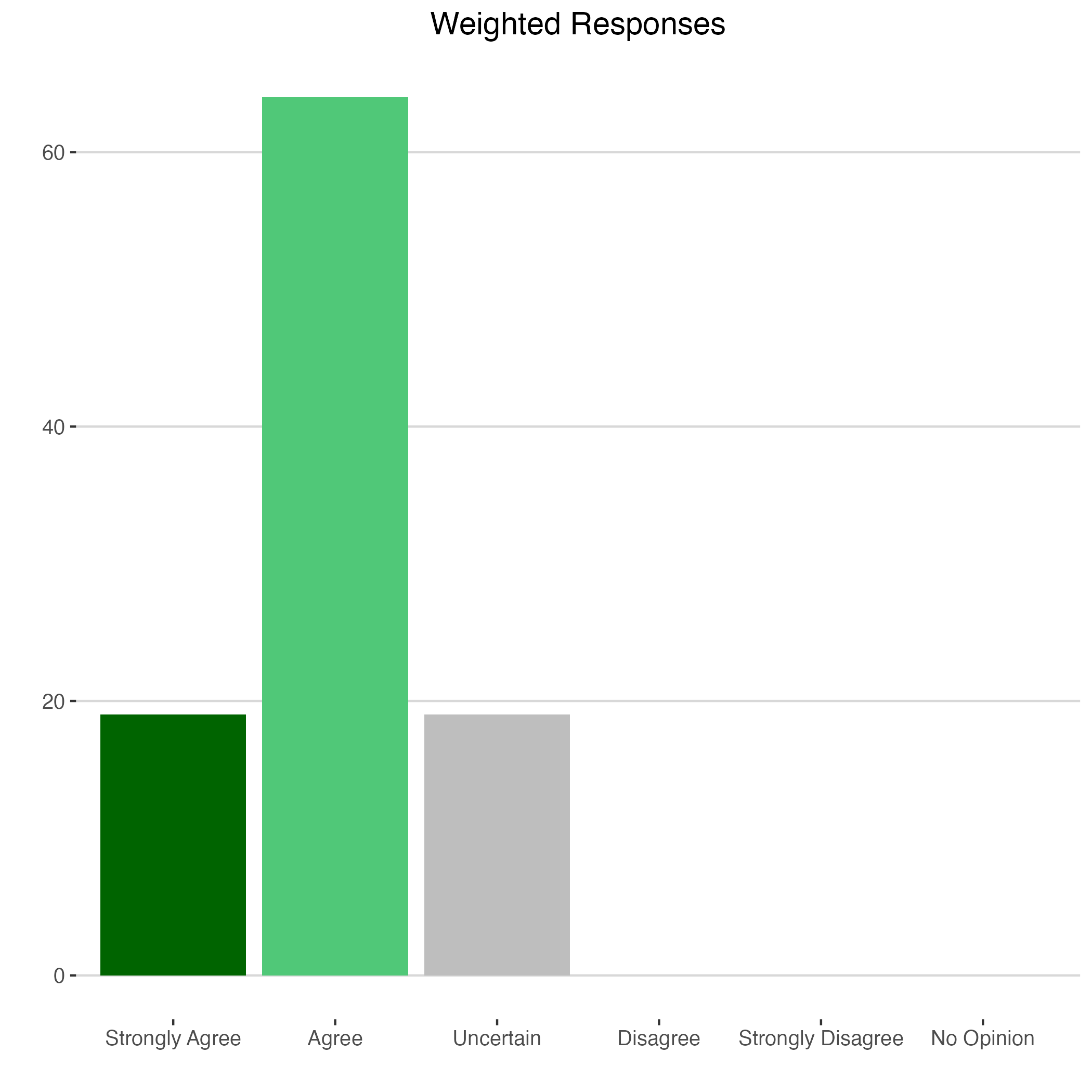
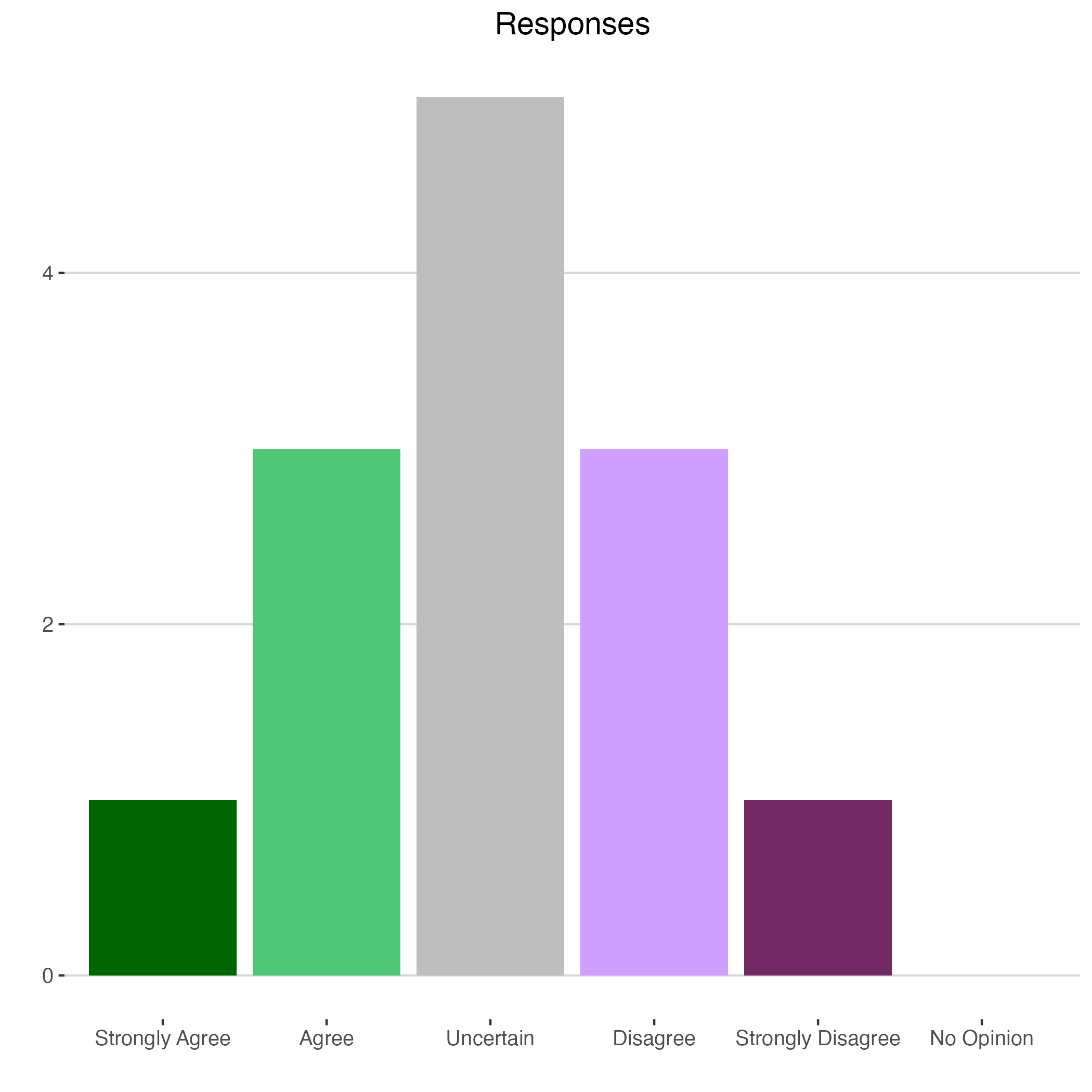
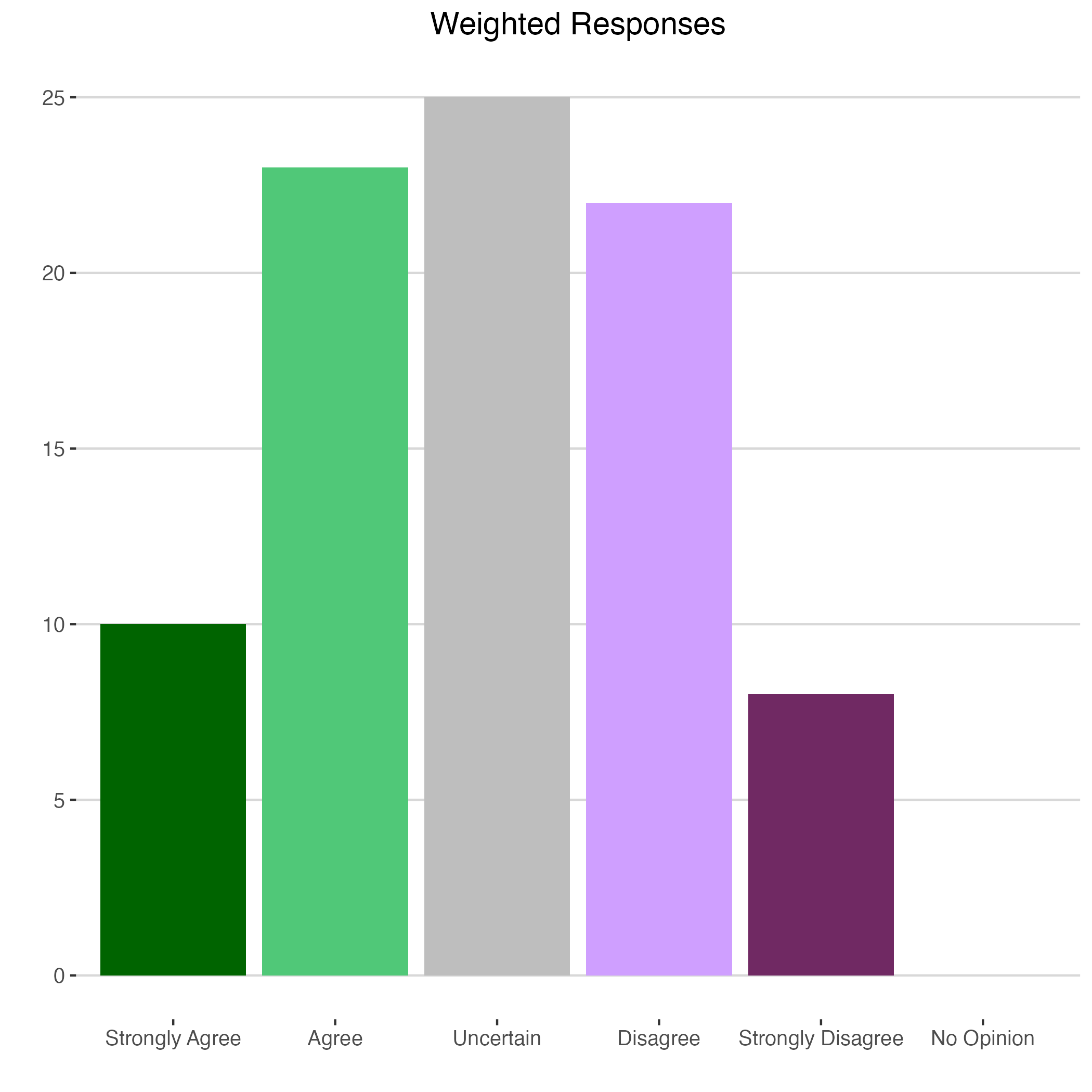
Question A: Reducing the number of universities in Ohio would generate savings for the state of Ohio.

Economist Institution Opinion Confidence Comment
David Brasington University of Cincinnati Agree 8 There would be direct cost savings, but only about 6% of the state's general revenue fund currently goes to higher ed anyway.
Ron Cheung Oberlin College Strongly Agree 7
Kevin Egan University of Toledo Disagree 5 The "state share of instruction" is one pot of money that the state allocates to all public universities based on a formula. The state can increase or decrease this total amount independent of the total number of public universities.
Kenneth Fah Ohio Dominican University Uncertain 9
Vinnie Gajjala Tiffin Univeristy Disagree 9
Bob Gitter Ohio Wesleyan University Agree 9 It would save money for the State in the short run but would be penny wise and pound foolish in the long run. Education is one of the primary functions of government.
Charles Kroncke Mount Saint Joseph University Disagree 7 Shutting down some universities might save Ohio some money, but it will ultimately weaken our work force and hurt communities.
Joe Nowakowski Muskingum University Uncertain 6
Curtis Reynolds Kent State University Strongly Disagree 9 There is certainly an argument that the demand for higher education will continue to drop based on demographic changes. That could certainly suggest that the sector needs to adjust (and I do believe it should) but the NUMBER of institutions is not the correct margin. This is the type of thing that sounds good but misses the important points. In fact, there is even an argument that there is little savings at all because the real appropriations per full-time equivalent student in Ohio in 2025 was lower than it was in 1980 (data from State Higher Education Finance).
Ejindu Ume Miami University Disagree 5
Andy Welki Welki John Carroll University Agree 8
Rachel Wilson College Board Strongly Agree 10

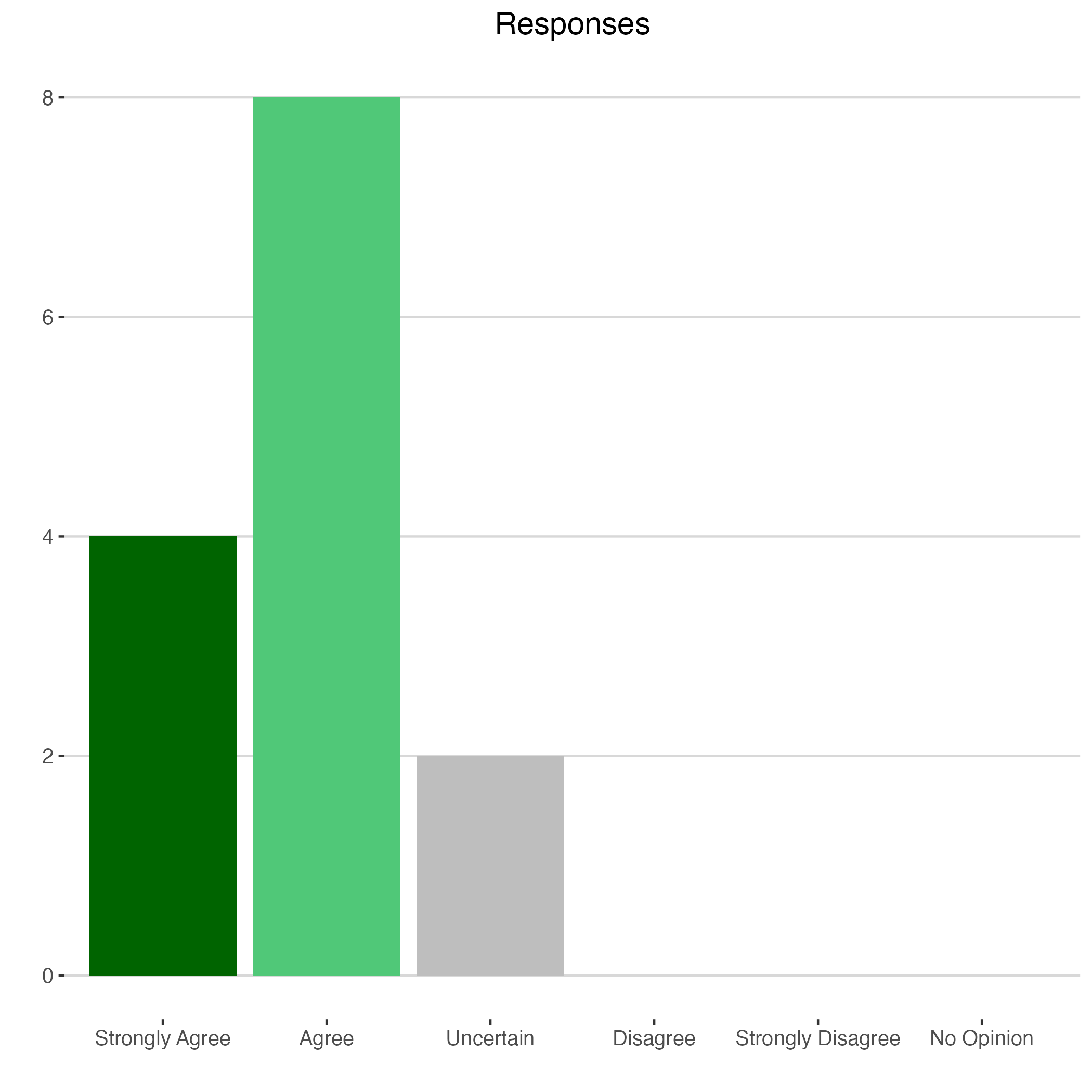
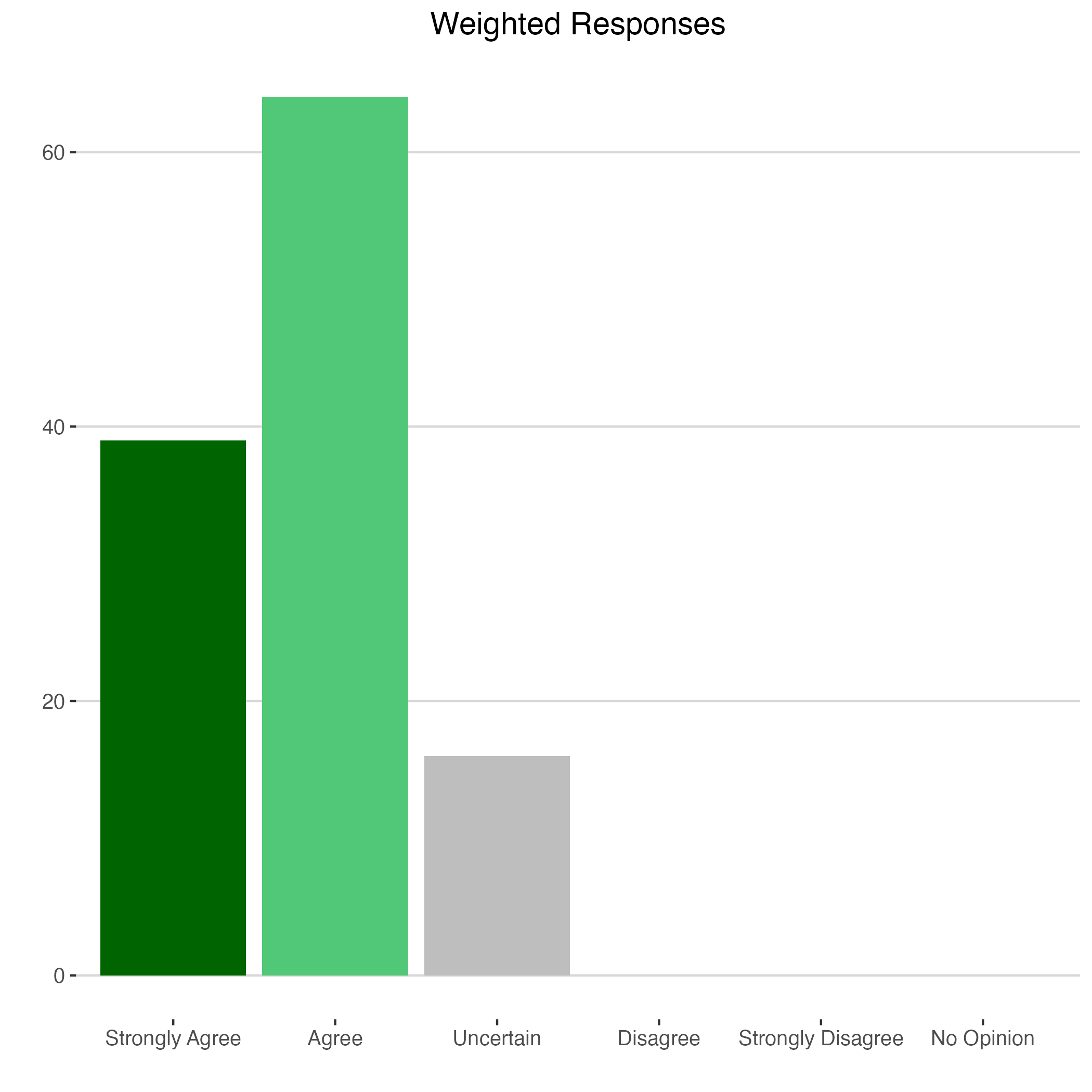
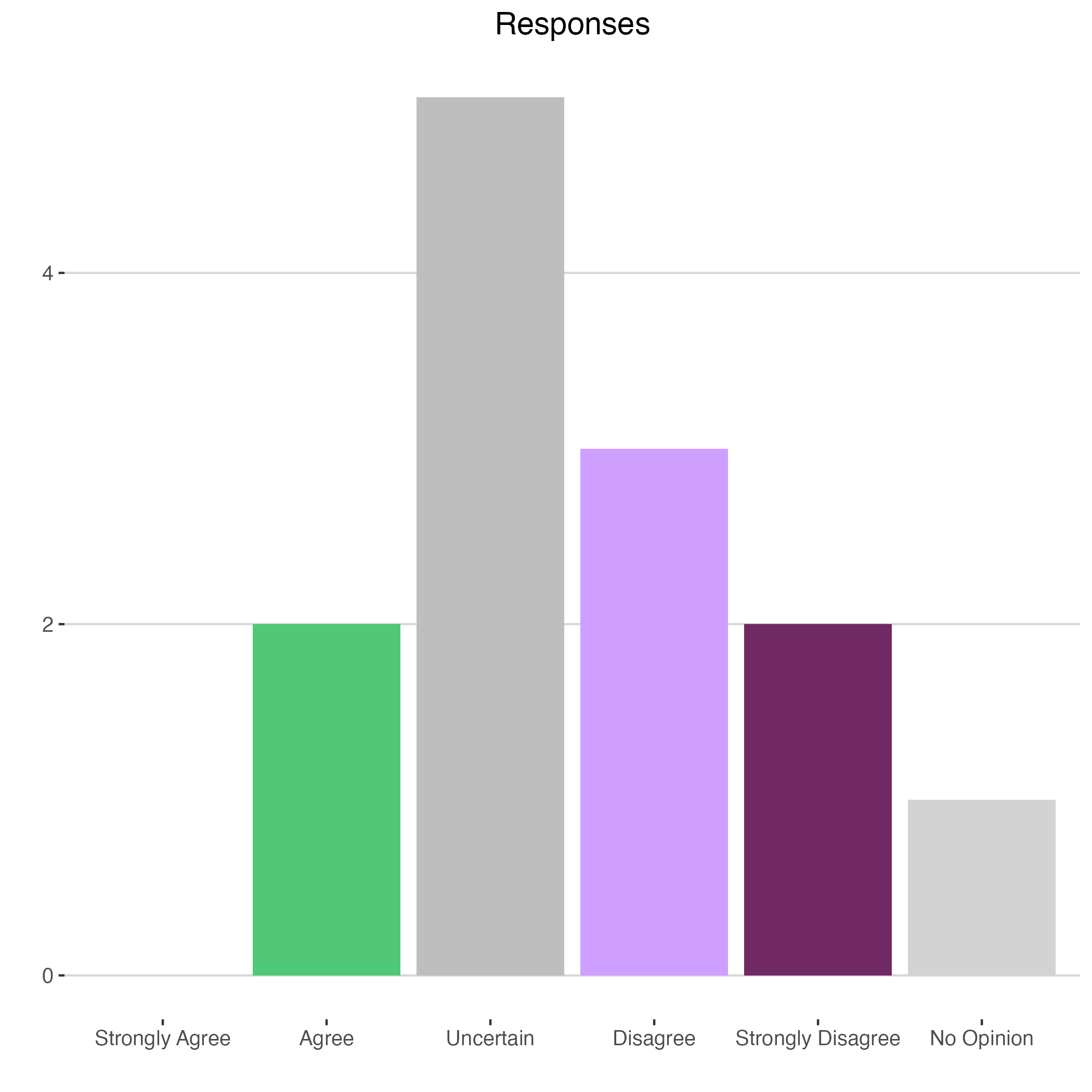
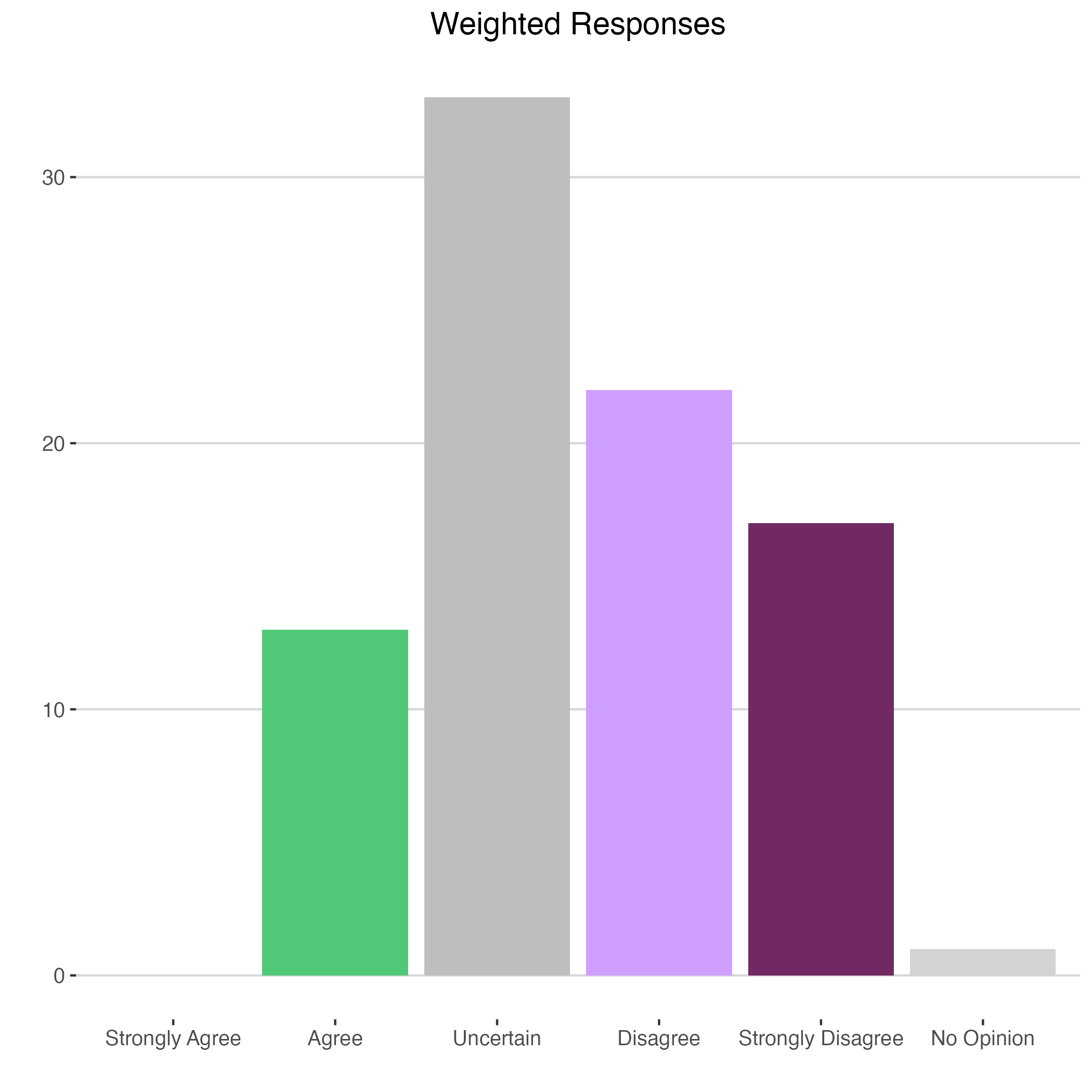
Question B: Reducing the number of universities in Ohio would reduce Ohio's bachelor's degree attainment rate.

Economist Institution Opinion Confidence Comment
David Brasington University of Cincinnati Agree 8 Remote learning makes it possible to get a degree from anywhere, but less convenient access would dissuade some students from attending.
Ron Cheung Oberlin College Strongly Agree 10
Kevin Egan University of Toledo Agree 8 80% of the Univ. of Toledo students live off campus and commute to UToledo. This is similarly true for many of the Ohio public universities. Closing any one of them will decrease the local cheaper public university option and some will not attend college.
Kenneth Fah Ohio Dominican University Agree 9
Vinnie Gajjala Tiffin Univeristy Uncertain 9
Bob Gitter Ohio Wesleyan University Strongly Agree 10 If there were fewer universities that potential students could get to, there will be fewer people receiving degrees.
Charles Kroncke Mount Saint Joseph University Agree 10 It will reduce the number of bachelor's degrees and eventually reduce the number of graduate degrees as well.
Joe Nowakowski Muskingum University Agree 7
Curtis Reynolds Kent State University Agree 8 At one point I may have been persuaded that we could have less universities and rely more on online learning to provide access to higher ed. However, there is too much research showing that online learning leads to much lower outcomes for students in terms of both test scores as well as employment. And that was before AI created even new problems for online learning (in the sense of whether students are doing the work themselves).
Ejindu Ume Miami University Strongly Agree 9
Andy Welki Welki John Carroll University Uncertain 7
Rachel Wilson College Board Agree 7

Question C: Reducing the number of universities in Ohio would reduce long-term economic output in the state of Ohio.

Economist Institution Opinion Confidence Comment
David Brasington University of Cincinnati Uncertain 5 There would be some loss of human capital development balanced by some tax savings. The real issue isn't the number of universities; it's whether our higher ed institutions are producing the skills and talent employers need. Analyzing Ohio universities based on the state's return on investment in them might reveal some that deserve less investment and others that deserve more. Ohio's SSI (State Share of Instruction) is a performance-based funding formula that tries to get at this, but maybe the formula could be improved.
Ron Cheung Oberlin College Agree 8
Kevin Egan University of Toledo Agree 7 On average college graduates earn more reflecting their extra value to the economy. Closing any local public university will reduce some local commuters from attending college and thus will reduce valuable workers to the economy in the long-term. Moreover, currently about maybe 15% to 30% of the Univ. of Toledo budget is from state subsidy. How low does this number go before we stop calling these universities "public state universities"? If the state continues to decrease total funding for public universities maybe some will choose to switch to being private institutions with more flexibility and no state oversite.
Kenneth Fah Ohio Dominican University Agree 9
Vinnie Gajjala Tiffin Univeristy Agree 9
Bob Gitter Ohio Wesleyan University Strongly Agree 9 An educated work force is still important for the economic output of Ohio. We need doctors, nurses, engineers, scientists, and so many other fields, too.
Charles Kroncke Mount Saint Joseph University Agree 8 His plan will make Ohio less attractive to people who might move here.
Joe Nowakowski Muskingum University Agree 7
Curtis Reynolds Kent State University Agree 6 I am less confident about this for one simple reason: Ohio struggles to keep the college graduates that we create. If the state cannot keep college graduates then producing college graduates may matter less (from the perspective of the state). So trying to keep more graduates would seem to be a related problem. However, quality higher education is something that tends to facilitate economic activities so it doesn't seem like a good idea to reduce the number of institutions.
Ejindu Ume Miami University Agree 8
Andy Welki Welki John Carroll University Uncertain 8 The relationship between the number of public universities and number of college graduates is uncertain. How much excess capacity is there in the public university system?
Rachel Wilson College Board Uncertain 6

Medicaid Fraud Prevention

Question A: Medicaid fraud prevention programs that increase penalties and require additional verification and inspections will create fiscal savings that outweigh the administrative costs of running them.

Question B: Medicaid fraud prevention programs that increase penalties and require additional verification and inspections will reduce access for vulnerable populations like people with disabilities.

Question C: Medicaid fraud prevention programs that increase penalties and require additional verification and inspections will generate a greater economic return than expanding benefits for recipients.

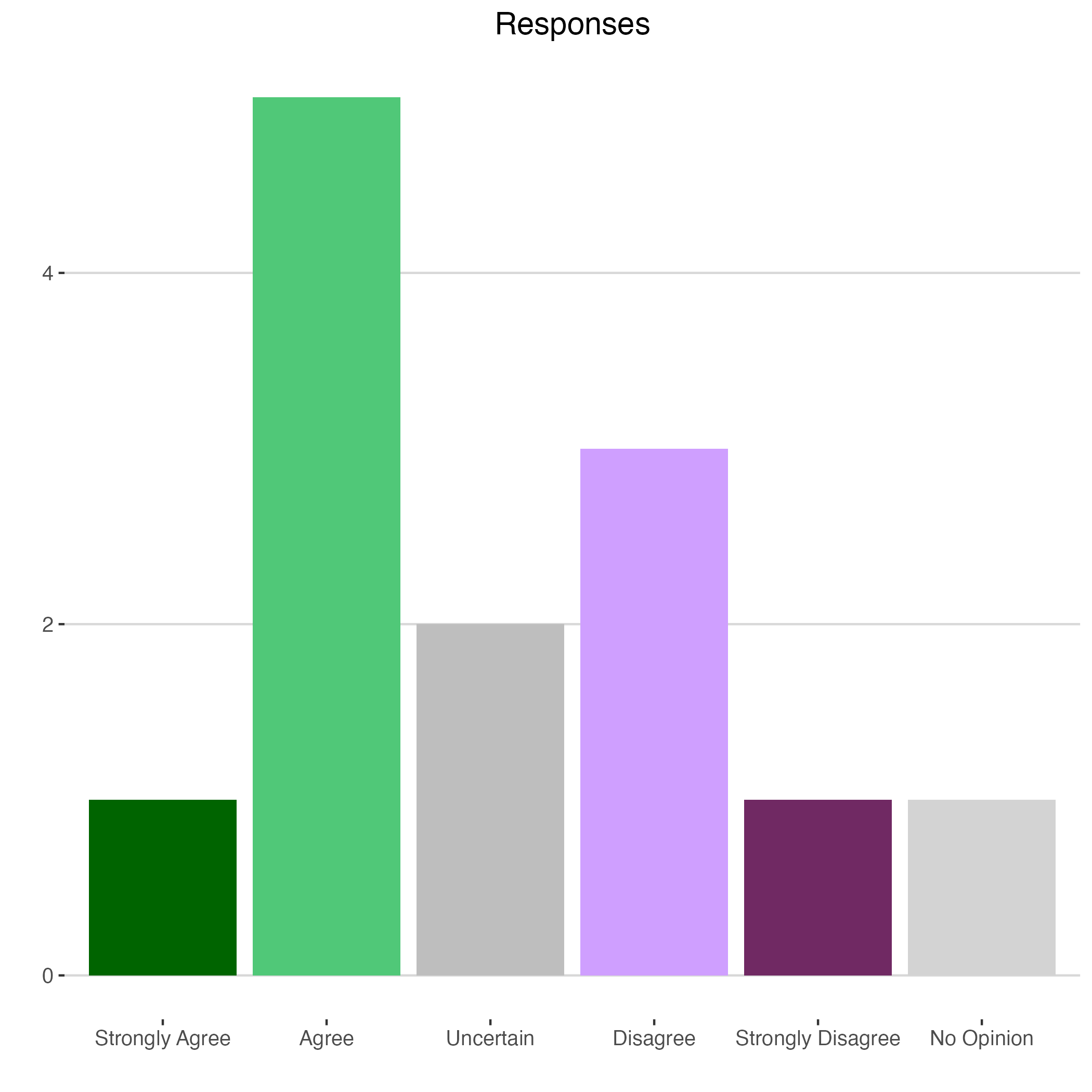
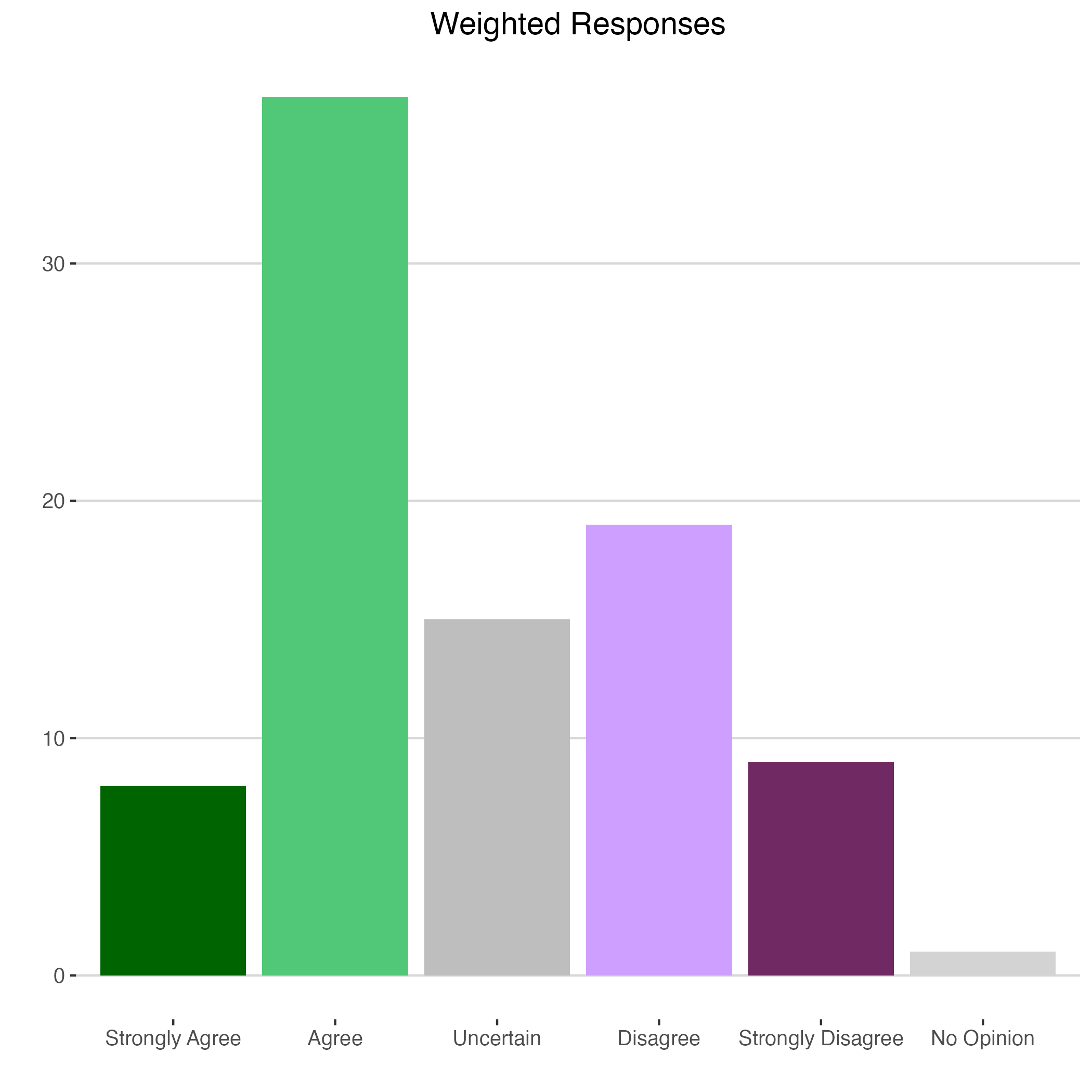
Question A: Medicaid fraud prevention programs that increase penalties and require additional verification and inspections will create fiscal savings that outweigh the administrative costs of running them.

Economist Institution Opinion Confidence Comment
Jonathan Andreas Bluffton University No Opinion 1 One would hope, and it seems likely, but I'm not qualified to judge.
David Brasington University of Cincinnati Disagree 7 The administrative costs are certain, but it's uncertain yet how much fraud will be discovered and prevented.
Ron Cheung Oberlin College Disagree 5
Kenneth Fah Ohio Dominican University Agree 8
Vinnie Gajjala Tiffin Univeristy Uncertain 8
Michael Jones University of Cincinnati Strongly Agree 8 A low-cost verification system that confirms identity and eligibility at the moment that services are provided should produce a positive ROI for Ohio. Ohio should be implementing electronic visit verification for nearly every service that is reimbursed. Unfortunately, AI and other economic forces are moving us from a high-trust to a low-trust society; and reasonable checks and inspections can help restore societal trust in government services.
Charles Kroncke Mount Saint Joseph University Agree 9
Trevon Logan Ohio State University Strongly Disagree 9
Curtis Reynolds Kent State University Disagree 7 This is always the challenge: more verification/inspections are costly and I do not think that there will be much fiscal savings. Medicaid fraud does exist but the estimates are that it is not a large percentage of total spending.
Iryna Topolyan University of Cincinnati Agree 6
Ejindu Ume Miami University Agree 6
Andy Welki John Carroll University Agree 8
Kathryn Wilson Kent State University Uncertain 7 It all depends on what the verification and fraud prevention programs are. The ones that are in the bill in Ohio focus on providers, which I believe is the proper focus. Reducing fraudulent providers can be impactful. Programs directed at reducing fraud among recipients are less likely to have fiscal savings that outweigh administrative costs.

Question B: Medicaid fraud prevention programs that increase penalties and require additional verification and inspections will reduce access for vulnerable populations like people with disabilities.

Economist Institution Opinion Confidence Comment
Jonathan Andreas Bluffton University Uncertain 1 It will undoubtedly reduce access in the short run because of inevitable false positives which reduce necessary care, but in the long run, IF it increases the efficiency of Medicaid, it could increase care because of helping channel scarce dollars to the patients who really need them rather than to fraudsters.
David Brasington University of Cincinnati Agree 7 Some providers will balk at the additional hoops they have to go through, reducing the number of care providers.
Ron Cheung Oberlin College Uncertain 6
Kenneth Fah Ohio Dominican University Disagree 8
Vinnie Gajjala Tiffin Univeristy Uncertain 8
Michael Jones University of Cincinnati Strongly Disagree 8
Charles Kroncke Mount Saint Joseph University Strongly Agree 10 Vulnerable people are likely to get snared by the fraud prevention program which may penalize people who Medicaid is supposed to help.
Trevon Logan Ohio State University Agree 8
Curtis Reynolds Kent State University Agree 8 If changes make it more challenging or more tedious or more confusing for individuals to provide verification then it would decrease access.
Iryna Topolyan University of Cincinnati Disagree 7
Ejindu Ume Miami University Uncertain 5
Andy Welki John Carroll University Disagree 7
Kathryn Wilson Kent State University Uncertain 5 As long as the fraud prevention and verification requirements are reasonable, I do not expect it to have an impact on vulnerable populations. However, if the requirements are too burdensome for providers, it may limit the number of providers.

Question C: Medicaid fraud prevention programs that increase penalties and require additional verification and inspections will generate a greater economic return than expanding benefits for recipients.

Economist Institution Opinion Confidence Comment
Jonathan Andreas Bluffton University No Opinion 1 It depends on whether or not this makes Medicaid more efficient. I would hope so, but I'm not qualified to judge.
David Brasington University of Cincinnati Uncertain 6 We won't know the extent of fraud currently committed or prevented until such measures are enacted. Expanding benefits for current recipients would increase costs, fraud, and access to care.
Ron Cheung Oberlin College Uncertain 6
Kenneth Fah Ohio Dominican University Disagree 8
Vinnie Gajjala Tiffin Univeristy Uncertain 8
Michael Jones University of Cincinnati Uncertain 8
Charles Kroncke Mount Saint Joseph University Disagree 6 I doubt the financial return of the program will exceed its expenses. In addition, there will be a social cost of vulnerable populations losing benefits.
Trevon Logan Ohio State University Strongly Disagree 9
Curtis Reynolds Kent State University Disagree 8
Iryna Topolyan University of Cincinnati Agree 6
Ejindu Ume Miami University Strongly Disagree 8
Andy Welki John Carroll University Agree 7 Confidence in a well run system promotes greater support.
Kathryn Wilson Kent State University Uncertain 5

Gas Tax Suspension

Question A: A three-month gas tax suspension would provide meaningful financial relief to Ohio residents.


Question B: The long-term economic benefits of a three-month gas tax suspension would outweigh the long-term economic costs of reduced state infrastructure funding.


Question C: More of the benefits of a three-month gas tax suspension would accrue to consumers than fuel retailers.

Data Centers

Question A: Tax incentives for data centers are an efficient use of public funds to stimulate job growth in Ohio.


Question B: The economic benefits of new data centers in Ohio exceed the environmental and energy market externality costs associated with their construction.


Question C: The economic costs of a statewide ban on new data centers in Ohio would outweigh the economic benefits.