AI Data Centers

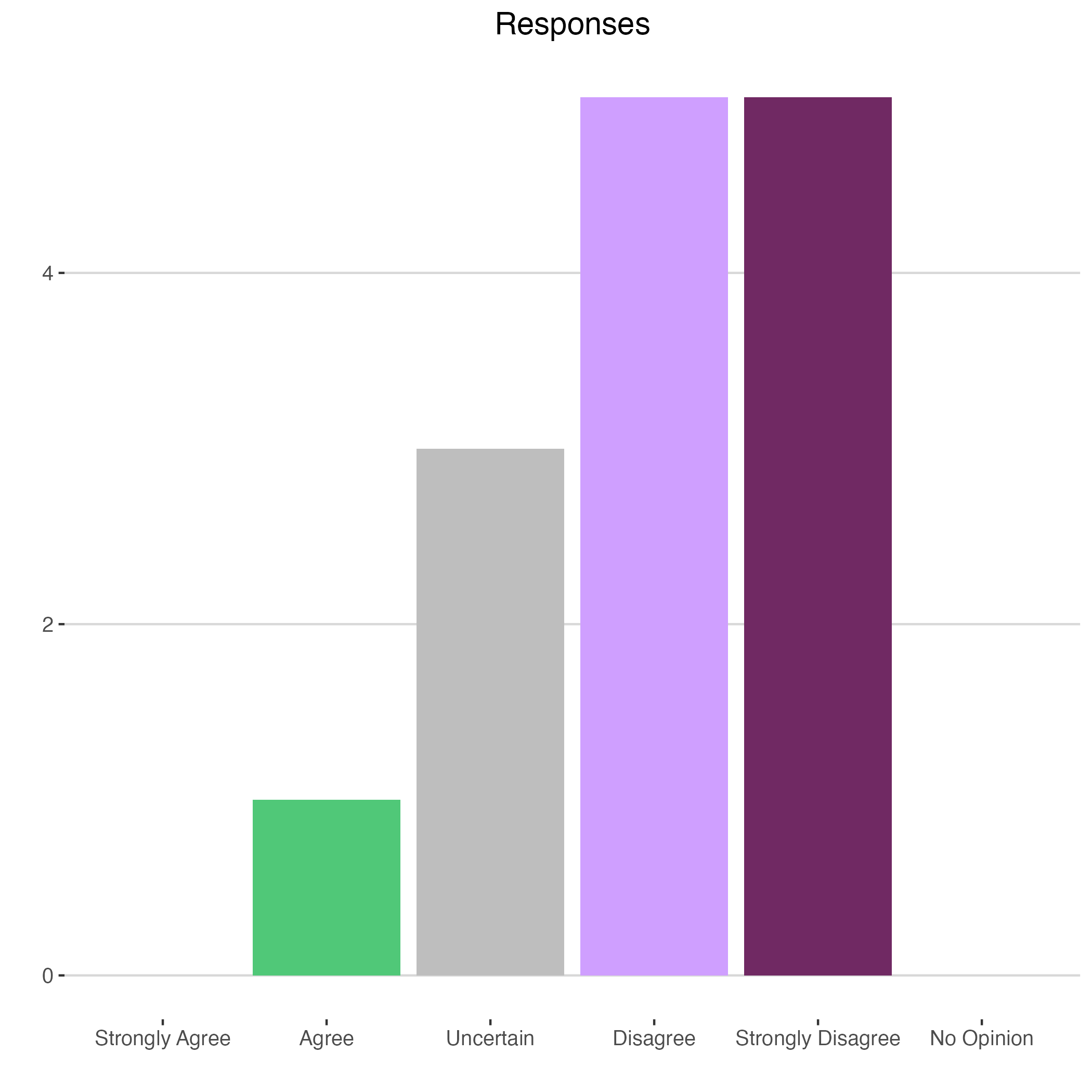
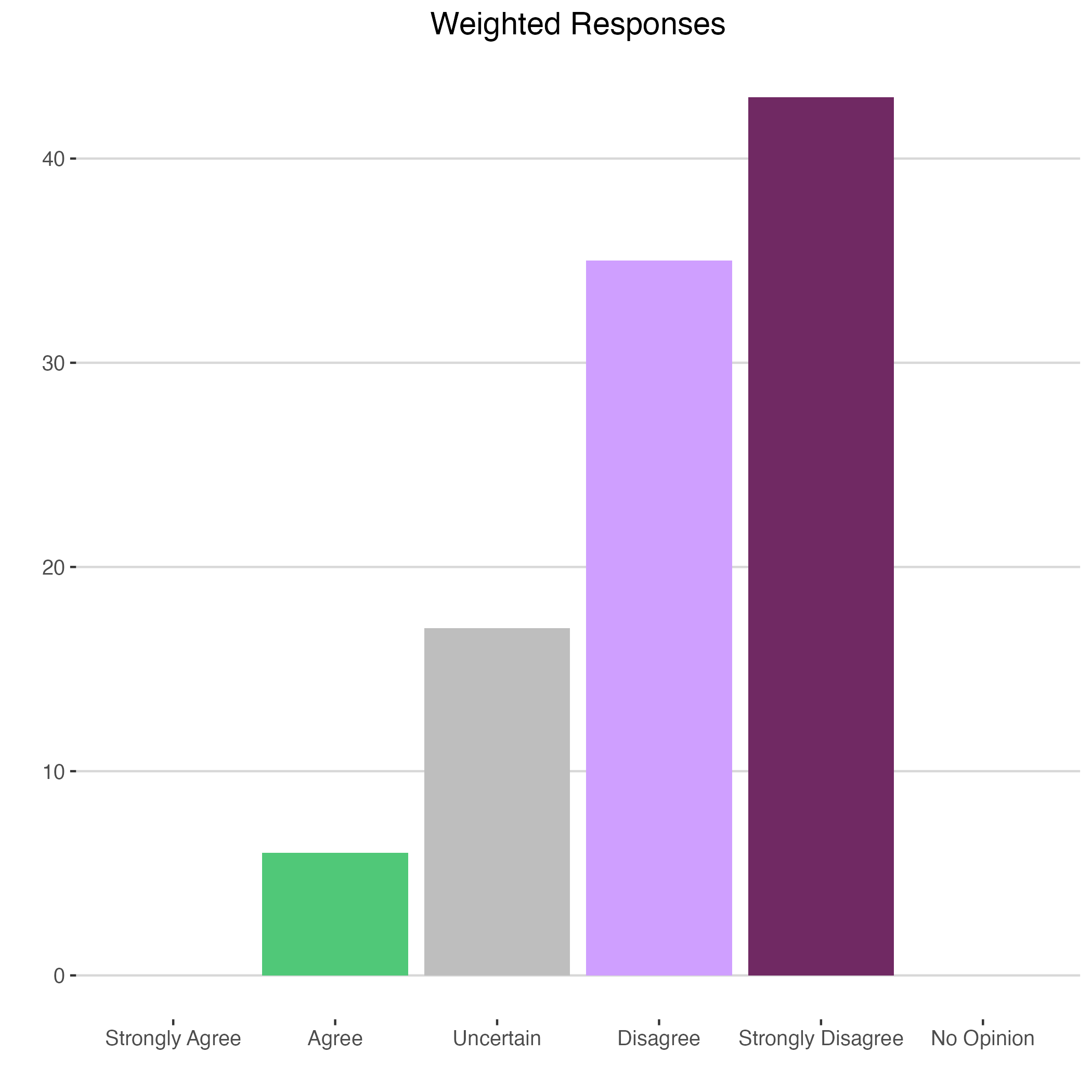
Question A: Tax incentives for data centers are an efficient use of public funds to stimulate job growth in Ohio.

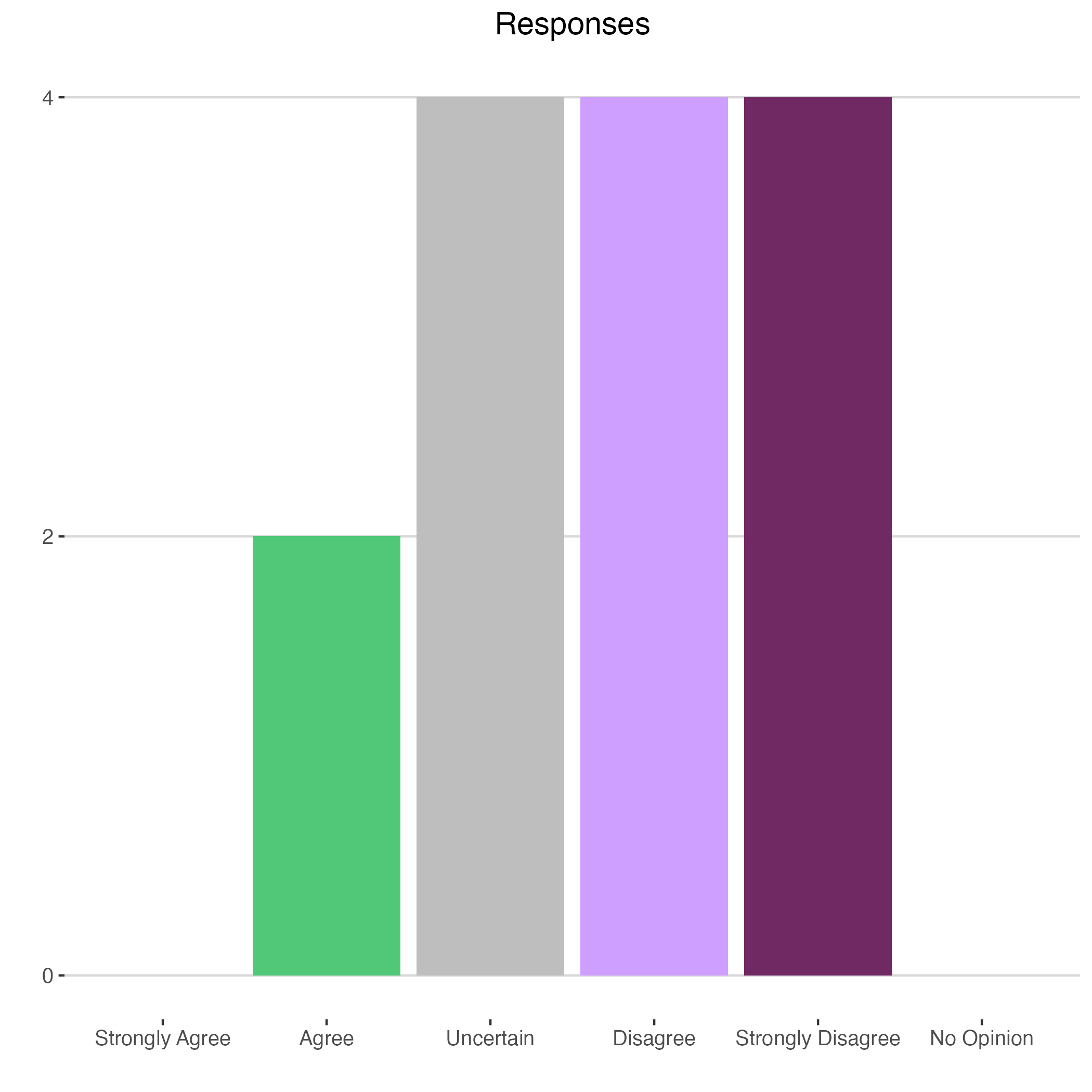
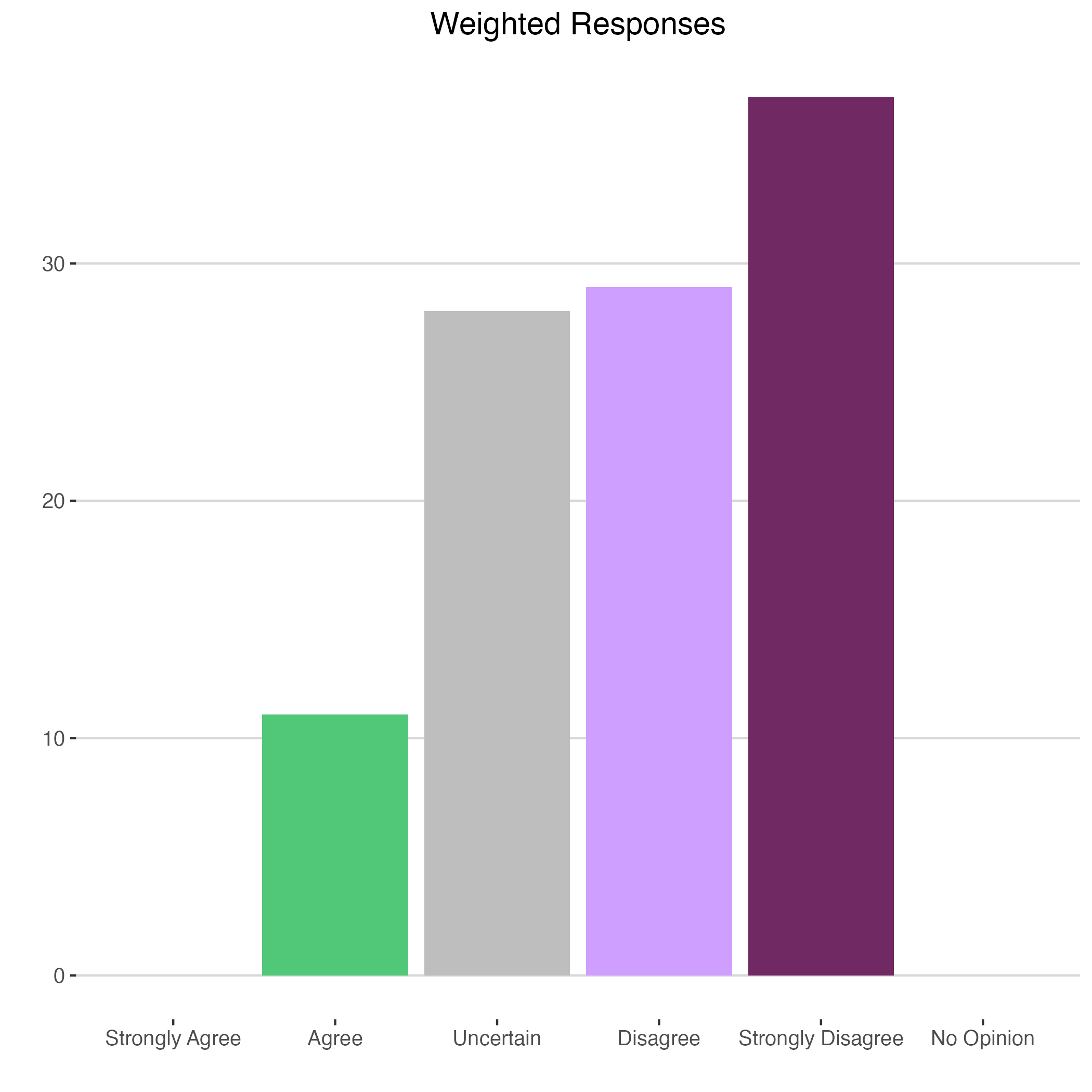
Question B: The economic benefits of new data centers in Ohio exceed the environmental and energy market externality costs associated with their construction.

Question C: The economic costs of a statewide ban on new data centers in Ohio would outweigh the economic benefits.

Question A: Tax incentives for data centers are an efficient use of public funds to stimulate job growth in Ohio.

Economist Institution Opinion Confidence Comment
Jonathan Andreas Bluffton University Uncertain 5 This is the kind of thing that rich countries around the world are doing to encourage cutting-edge technology to be built, but I haven't studied what kind of industrial policies are the most efficient way to stimulate productivity growth in this kind of technology and data centers require less labor than most kinds of industries so they aren't going to be a significant source of job growth once they are built.
David Brasington University of Cincinnati Disagree 7 Data centers already find Ohio attractive because of our power costs, central location, and fiber access. Tax incentives aren't needed, especially as backlash to data center building increases.
Ron Cheung Oberlin College Disagree 7
Will Georgic Ohio Wesleyan University Uncertain 5 Whether tax incentives for data centers are efficient really depends on the location of the data center, what else could be built there, and when it could be built, in addition to the generosity of the tax incentives. Even though data centers provide few permanent jobs, if they occupy vacant land or agricultural land that was farmed with even less labor, then they could be creating net jobs at minimal cost to the state. On the other hand, if the land would otherwise be developed in a way that would create more permanent jobs, or if the increase in energy prices discourages other investment in Ohio, then a tax incentive could be inefficient.
Paul Holmes Ashland University Strongly Disagree 7 The majority of jobs associated with data centers are temporary construction jobs; ongoing jobs are minimal, and less high-paying than what many would imagine.
Christian Imboden Bowling Green State University Strongly Disagree 9 They create very few jobs and destroy environmental conditions, for example by changing water temperatures, disrupting fish stocks.
Michael Jones University of Cincinnati Uncertain 7
Charles kroncke Mount Saint Joseph University Disagree 8 Data centers should be built where they can be most productive and profitable, not according to where tax policy is favorable.
Trevon Logan Ohio State University Disagree 8
Joseph Nowakowski Muskingum University Strongly Disagree 9
Curtis Reynolds Kent State University Disagree 5 Not super confident here about data centers in general but pretty sure there are better ways to spend public funds to generate jobs. My impression is that after the initial construction, there may not be that many jobs on site. In this way it is similar to the "shale gas boom" where there were jobs in building drilling operations but not many jobs in maintaining them. And a lot of the economic activity happens outside of the state (wherever the companies using the data center are located).
Albert Sumell Youngstown State University Strongly Disagree 10 I can't think of a worse use of public funds than to incentivize data centers. They are associated with very few permanent jobs and high external costs
Ejindu Ume Miami University Agree 6
Rachel Wilson College Board Strongly Disagree 8

Question B: The economic benefits of new data centers in Ohio exceed the environmental and energy market externality costs associated with their construction.

Economist Institution Opinion Confidence Comment
Jonathan Andreas Bluffton University Agree 3 They SHOULD have net benefits for Ohioans because they pollute a lot less than most other industrial facilities and could generate a lot of property taxes, but that would require less tax abatements and requiring them to pay for their share of the costs of upgrading the electric grid. Of course they use electricity and some of the electric power plants DO generate a lot of pollution, but that is a reason to directly regulate pollution, not data centers which don't pollute any more per kwh than the electric appliances you have throughout your home.
David Brasington University of Cincinnati Agree 8 The economic benefits and environmental costs are both pretty small. The typical data center only employs about 35 full-time workers. The biggest benefit is probably the increased tax base; the typical data center adds about $0.75 billion in assessed value IF the state let the full value be taxed. The biggest environmental cost is probably water consumption. The typical data center consumes about the same amount of water as a town of 25,000 people.
Ron Cheung Oberlin College Disagree 7
Will Georgic Ohio Wesleyan University Uncertain 10 I think that it is highly likely that the NATIONAL economic benefits of new data centers in Ohio will exceed the environmental and energy market externality costs associated with their construction, but especially when we consider how homeowners care about the loss of rural character as an environmental cost, I think that data centers in Ohio are a net loss for our state. Due to the ambiguity surrounding the geographic scope of analysis, I'm uncertain.
Paul Holmes Ashland University Uncertain 5 Data centers clearly use a lot of electricity; if new electricity-generation capacity was brought online at the same time, the effect on existing residents would be mitigated. Is there political will from OSG to increase electricity generation? I don't know.
Christian Imboden Bowling Green State University Strongly Disagree 9 They create very few jobs and destroy environmental conditions, for example by changing water temperatures, disrupting fish stocks.
Michael Jones University of Cincinnati Uncertain 6 The calculation depends on the actual amount of the energy market externality - and that is unique to each data center. It's not possible to make a blanket claim.
Charles kroncke Mount Saint Joseph University Uncertain 7 The external cost is currently unknown. Environmental and cultural impact should be studied first if tax incentives are to be given.
Trevon Logan Ohio State University Disagree 8
Joseph Nowakowski Muskingum University Strongly Disagree 9
Curtis Reynolds Kent State University Disagree 8 More confident here. There are large externalities that fall on the local community, and I really don't think that there will be an increase in jobs from the local community. Perhaps there will be enough local tax revenue generated to offset some of this (or pay for local amenities) but I kind of doubt it.
Albert Sumell Youngstown State University Strongly Disagree 10 The external costs are large and the economic benefits are small.
Ejindu Ume Miami University Disagree 6
Rachel Wilson College Board Strongly Disagree 9

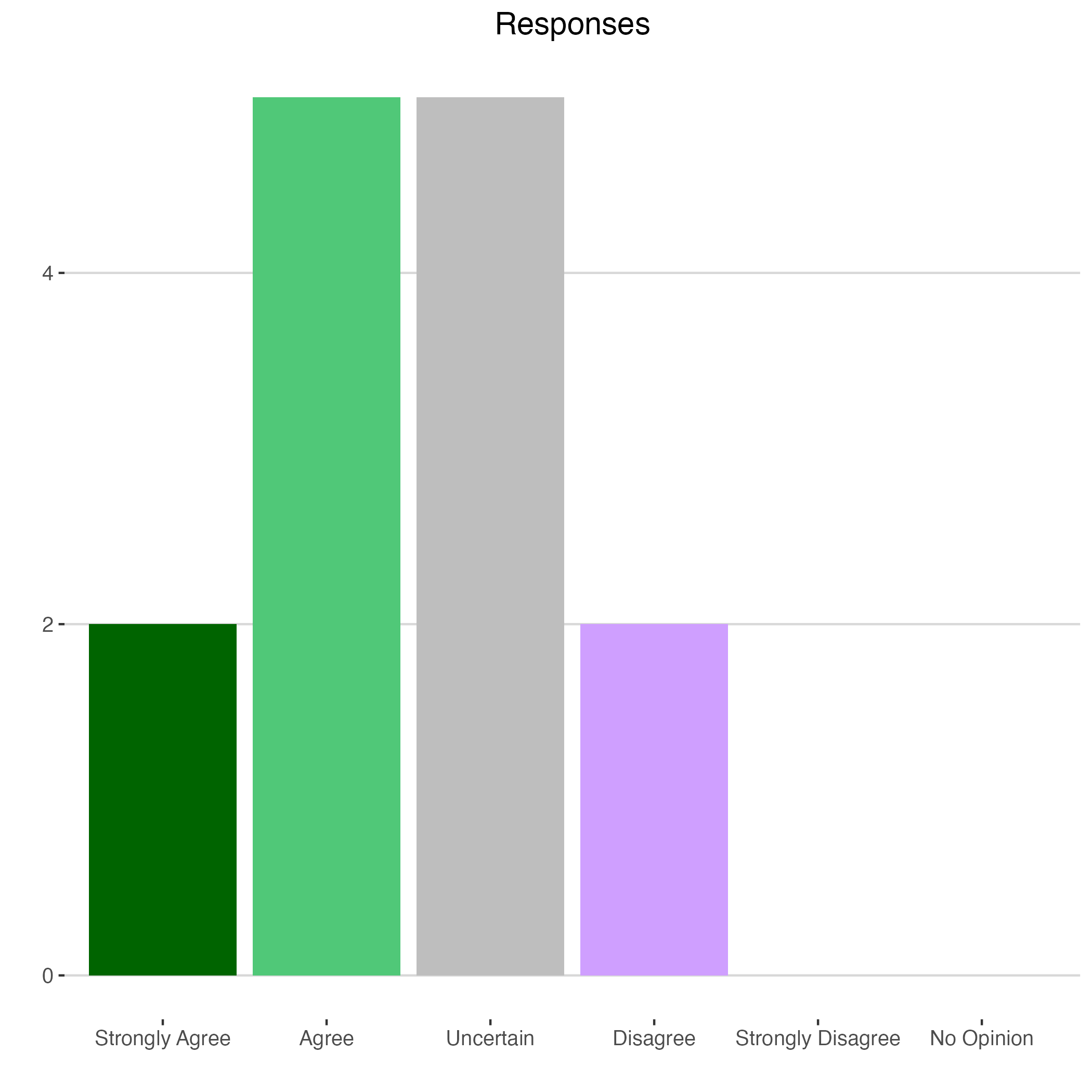
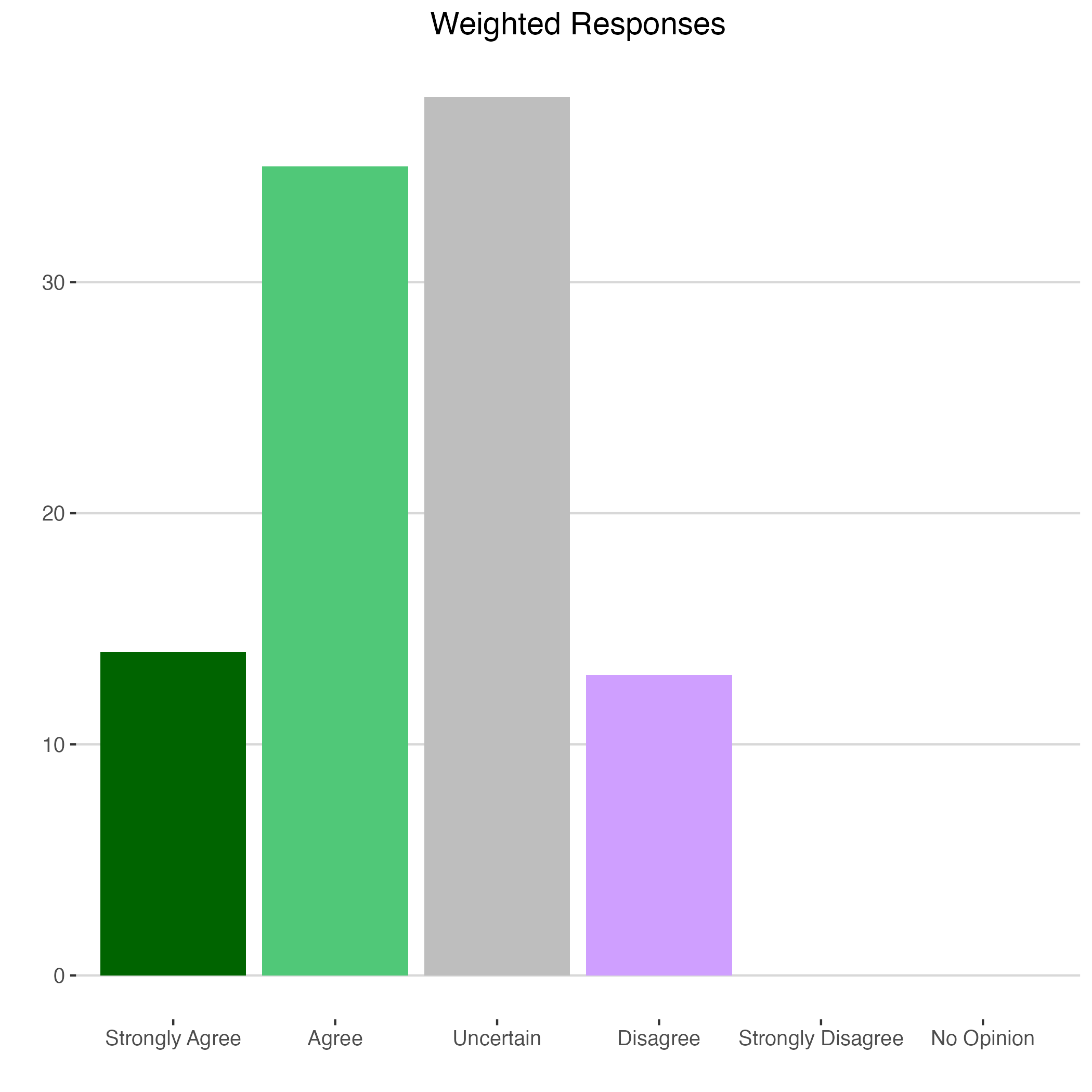
Question C: The economic costs of a statewide ban on new data centers in Ohio would outweigh the economic benefits.

Economist Institution Opinion Confidence Comment
Jonathan Andreas Bluffton University Strongly Agree 8 The proposed ban is a knee-jerk reaction to an industry that should produce win-win growth for Ohio. The companies investing in data centers have enormous amounts of money they want to spend and why shouldn't Ohio get some of their money? Banning them won't work because electricity is a multi-state industry and given the money and power in the AI industry, they will build data centers somewhere in America and that electricity will get siphoned out of Ohio and drive up prices without benefiting Ohio's tax base. Even if there were some bottleneck in local transmission lines that maintained lower electricity prices in Ohio temporarily, there would then be enormous incentives to upgrade transmission lines to suck the cheap electricity out of Ohio to wherever the data centers are built and prices will equalize before long. A better approach is to stop subsidizing data centers with tax abatements and require that they help pay for upgrades to our electricity capacity so that they generate more benefits for their neighbors. These companies have ample financial resources to pay, so let's get more of their money rather than turning it away!
David Brasington University of Cincinnati Agree 8 AI is a national security issue. We need to out-compete rival nations in AI, and allowing data centers is critical for that goal. How would it be to wake up one day and find a foreign nation had broken through our cybersecurity firewalls?
Ron Cheung Oberlin College Agree 7
Will Georgic Ohio Wesleyan University Agree 7 The same geographic tradeoff between national gains and state losses likely applies to this question as well, but economists are generally skeptical of command and control strategies like outright bans, so I'm leaning towards agreeing that a ban on new data centers would be inefficient.
Paul Holmes Ashland University Uncertain 6 With good complementary policies, data centers can be a net positive for the state. But I'm not convinced OSG will implement those policies.
Christian Imboden Bowling Green State University Disagree 7
Michael Jones University of Cincinnati Strongly Agree 6 It should be up to the market to pick winners and losers; and Ohio should not be targeting a particular industry. If there are concerns about energy use or land use, then data centers should internalize and pay the real costs of their deployment.
Charles kroncke Mount Saint Joseph University Uncertain 7 I speculate that the economic benefits will outweigh the external costs, but further study is warranted.
Trevon Logan Ohio State University Agree 7
Joseph Nowakowski Muskingum University Uncertain 10
Curtis Reynolds Kent State University Disagree 6
Albert Sumell Youngstown State University Uncertain 5 I don't think a total ban should be necessary. Data centers should not be banned but should be taxed according to their external costs.
Ejindu Ume Miami University Agree 6 As opposed to a ban, policies designed to force data center owners to cover the increased cost of electricity could be more effective.
Rachel Wilson College Board Uncertain 10