International Immigration

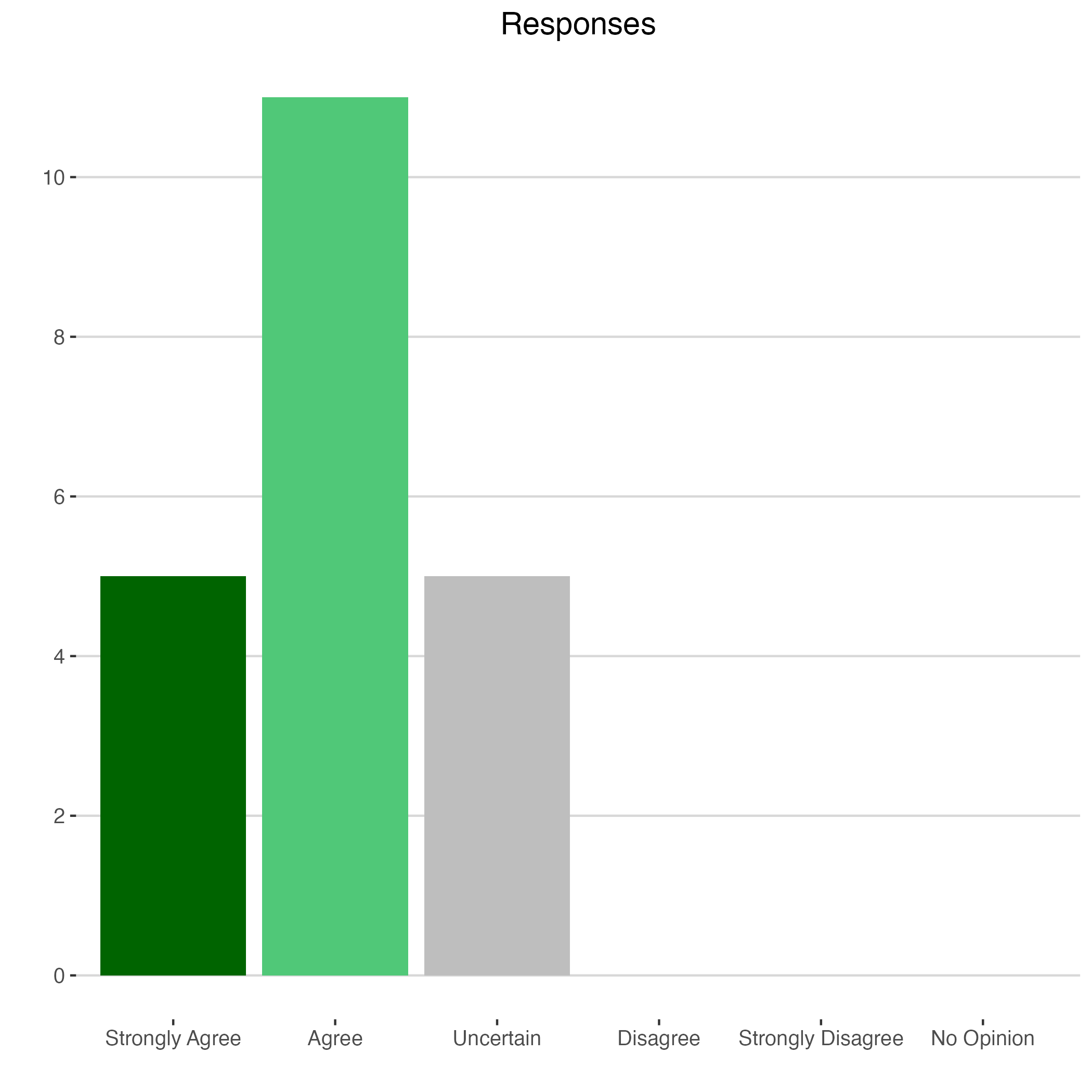
Question A: Lower levels of international immigration will lead to higher prices for services in Ohio.

Question B: Fewer international immigrants in Ohio will lead to a net loss in tax revenue.

Question C: A reduction in international immigration will result in fewer small businesses being started in Ohio.

Question A: Lower levels of international immigration will lead to higher prices for services in Ohio.

Economist Institution Opinion Confidence Comment
Jonathan Andreas Bluffton University Strongly Agree 9 This is one of the clearest costs of restricting immigration. Of course there are also benefits for some people, but this is a definite cost.
David Brasington University of Cincinnati Uncertain 8 the lower supply of workers could increase the cost of goods, but the lower demand for goods should help lower the price of goods, so it might be a wash
Ron Cheung Oberlin College Agree 8
Kenneth Fah Ohio Dominican University Agree 9
Vinnie Gajjala Tiffin Univeristy Agree 9
Will Georgic Ohio Wesleyan University Uncertain 5 There are two competing forces that could cause prices for services to change in response to lower levels of international immigration to Ohio. The demand effect would suggest that prices could come down due to a decrease in consumption. On the other hand, a decrease in the supply of labor, especially in key industries, could lead to higher wages for some jobs which could lead to local wage-price spirals and higher prices. It is challenging to predict which effect would dominate without more information, but it is important to note that even if service prices decreased, this would be accompanied by an overall decrease in state-level GDP, which isn't a desirable outcome.
Bob Gitter Ohio Wesleyan University Strongly Agree 9 Although it depends on the service, the price of restaurant meals, domestic help, lawn care, and nanny care will rise.
Nancy Haskell University of Dayton Uncertain 5
Paul Holmes Ashland University Agree 8
Faria Huq Lake Erie College Agree 7
Christian Imboden Bowling Green State University Agree 6
Michael Jones University of Cincinnati Uncertain 7
Charles Kroncke Mount Saint Joseph University Strongly Agree 10
Bill LaFayette Regionomics Uncertain 5 There will be fewer service providers but the demand for services will also decline, so the result is ambiguous and is likely to vary among categories.
Trevon Logan Ohio State University Agree 8
Joseph Nowakowski Muskingum University Strongly Agree 9
Curtis Reynolds Kent State University Agree 8
Iryna Topolyan University of Cincinnati Strongly Agree 9
Ejindu Ume Miami University Agree 5
Kathryn Wilson Kent State University Agree 6
Rachel Wilson College Board Agree 9

Question B: Fewer international immigrants in Ohio will lead to a net loss in tax revenue.

Economist Institution Opinion Confidence Comment
Jonathan Andreas Bluffton University Strongly Agree 9 Again, this is a no-brainer. There will be fewer people working and smaller economy which can benefit some people, but not the tax revenues.
David Brasington University of Cincinnati Agree 7 yes, compared to more immigration, but it also depends on the types of immigrants (skilled vs. unskilled), to what extent they participate in the underground vs. taxed economy, to what extent they receive public assistance
Ron Cheung Oberlin College Strongly Agree 10
Kenneth Fah Ohio Dominican University Agree 9
Vinnie Gajjala Tiffin Univeristy Agree 9
Will Georgic Ohio Wesleyan University Strongly Agree 10 Not only would we lose taxpayers, but as overall economic activity would decrease, so too would tax bases. Relative to the tax revenue that could be collected without a decrease in international immigration, Ohio would unambiguously suffer a net loss in tax revenue.
Bob Gitter Ohio Wesleyan University Strongly Agree 9 Immigrants work and pay taxes. Undocumented workers sometimes pay into Social Security but don't receive benefits.
Nancy Haskell University of Dayton Agree 6
Paul Holmes Ashland University Strongly Agree 9
Faria Huq Lake Erie College Strongly Agree 8
Christian Imboden Bowling Green State University Strongly Agree 8 International immigrants generally contribute more in taxes (especially sales taxes compared to the value of government services that they use.
Michael Jones University of Cincinnati Agree 9 Why does this question only ask about one side of the accounting equation? What is the resulting change in government expenditures as a result of less immigration? If savings in government spending on immigration exceed tax revenue, then the result is a financial surplus to Ohio.
Charles Kroncke Mount Saint Joseph University Strongly Agree 10
Bill LaFayette Regionomics Strongly Agree 8 A study by Upwardly Global estimated that immigrants contributed $2.4 billion in state and local taxes to Ohio in 2022. This does not include the income and sales taxes generated throughout the economy as a result of their labor and household purchases.
Trevon Logan Ohio State University Agree 8
Joseph Nowakowski Muskingum University Strongly Agree 9
Curtis Reynolds Kent State University Agree 8
Iryna Topolyan University of Cincinnati Strongly Agree 10
Ejindu Ume Miami University Agree 5
Kathryn Wilson Kent State University Strongly Agree 10 The research is clear that immigrants pay significantly more in taxes than they receive in benefits (in part because they are not eligible for many benefits). Therefore, fewer international immigrants in Ohio will lead to a net loss in tax revenue.
Rachel Wilson College Board Strongly Agree 10

Question C: A reduction in international immigration will result in fewer small businesses being started in Ohio.

Economist Institution Opinion Confidence Comment
Jonathan Andreas Bluffton University Strongly Agree 9 Again, not only does less immigration reduce the size of the economy, which reduces small businesses, but immigrants have also been disproportionately involved with small businesses, both as entrepreneurs and as employees, relative to native born Americans. Of course, some kinds of immigration don't have this benefit, like family reunification that brings in grandparents, but even with that in the mix, historically most immigrants have always been working age. So, one reason immigration has always been an economic boost is that it reduces the demographic dependency ratio of the US and immigration policy could boost this effect by reducing family reunification migration and increasing immigration of high-skilled immigrants. That is what many countries like Canada and Australia have been doing.
David Brasington University of Cincinnati Agree 8 certainly for legal, skilled immigration; less illegal immigration could also lead to fewer small businesses being started, both above-board and underground economy businesses
Ron Cheung Oberlin College Strongly Agree 10
Kenneth Fah Ohio Dominican University Agree 9
Vinnie Gajjala Tiffin Univeristy Agree 9
Will Georgic Ohio Wesleyan University Strongly Agree 10 Simple math makes this all but inevitable
Bob Gitter Ohio Wesleyan University Agree 9 Starting a small business such as a housecleaning service or food truck is a tried and true way for immigrants to get started. They are also quite active in the tech sector.
Nancy Haskell University of Dayton Strongly Agree 9
Paul Holmes Ashland University Strongly Agree 10 Immigrants open and operate businesses at a much higher rate than native-born people
Faria Huq Lake Erie College Agree 8
Christian Imboden Bowling Green State University Agree 6
Michael Jones University of Cincinnati Strongly Agree 9 Immigration self-selects for hard-working, entrepreneurial-minded individuals. Someone who is willing to leave their home country and family to start a new life likely possesses a higher than average drive to succeed. Economists as a whole are generally supportive of allocating labor anywhere in the world to its most productive uses. However, articles that emphasize the tax contributions of illegal immigration are completely counterproductive. E.g. a recent Ohio Capital Journal article notes "Ohio<d5>s 120,000 undocumented immigrants spend about $2.6 billion in the state every year and pay about $740 million in taxes every year. And because they exist, all of this could be in trouble." The author wants to make the argument that society is supposed to overlook law-breaking activity because it potentially brings in more money to the State? Not only is this argument morally repugnant, it turns away common-sense Ohioans from supporting immigration. Even this survey treats all immigrants as a monolithic block. E.g. what skills do the immigrants possess? What assets are they bringing with them? Did the immigrant earn a degree in the United States? etc. Until we treat individuals as individuals, we will continue to see polarizing and divisive dialogue on the topic of immigration in Ohio.
Charles Kroncke Mount Saint Joseph University Strongly Agree 10 Ohio needs immigrants. They bolster our GSP and create jobs. We need highly educated scientists, skilled craftsmen, and service workers. Ohio should be welcoming to all people.
Bill LaFayette Regionomics Strongly Agree 9 Studies have found that immigrants are more likely to start and own businesses than their domestic counterparts. This may be because immigrants who uproot their lives and move to a different country are inherently more risk-tolerant. They may also be leveraging their unique insights into the needs of their community.
Trevon Logan Ohio State University Agree 8
Joseph Nowakowski Muskingum University Strongly Agree 9
Curtis Reynolds Kent State University Agree 4
Iryna Topolyan University of Cincinnati Strongly Agree 9
Ejindu Ume Miami University Uncertain 5
Kathryn Wilson Kent State University Strongly Agree 9 There is a lot of evidence that immigrants start and run small businesses at a higher rate. Given this, a reduction in immigration will be expected to result in fewer small businesses being started in Ohio.
Rachel Wilson College Board Strongly Agree 10