Medicaid Fraud Prevention

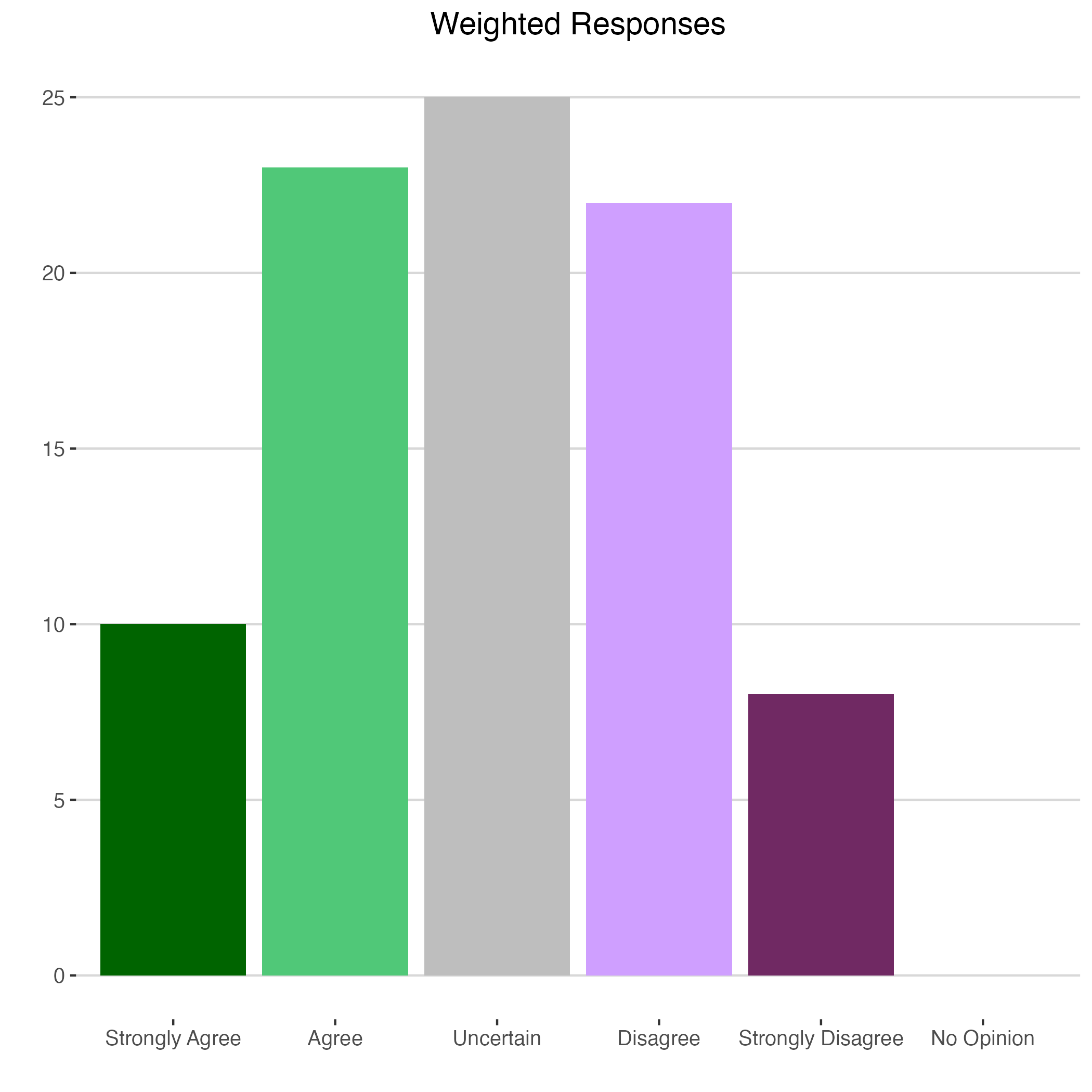
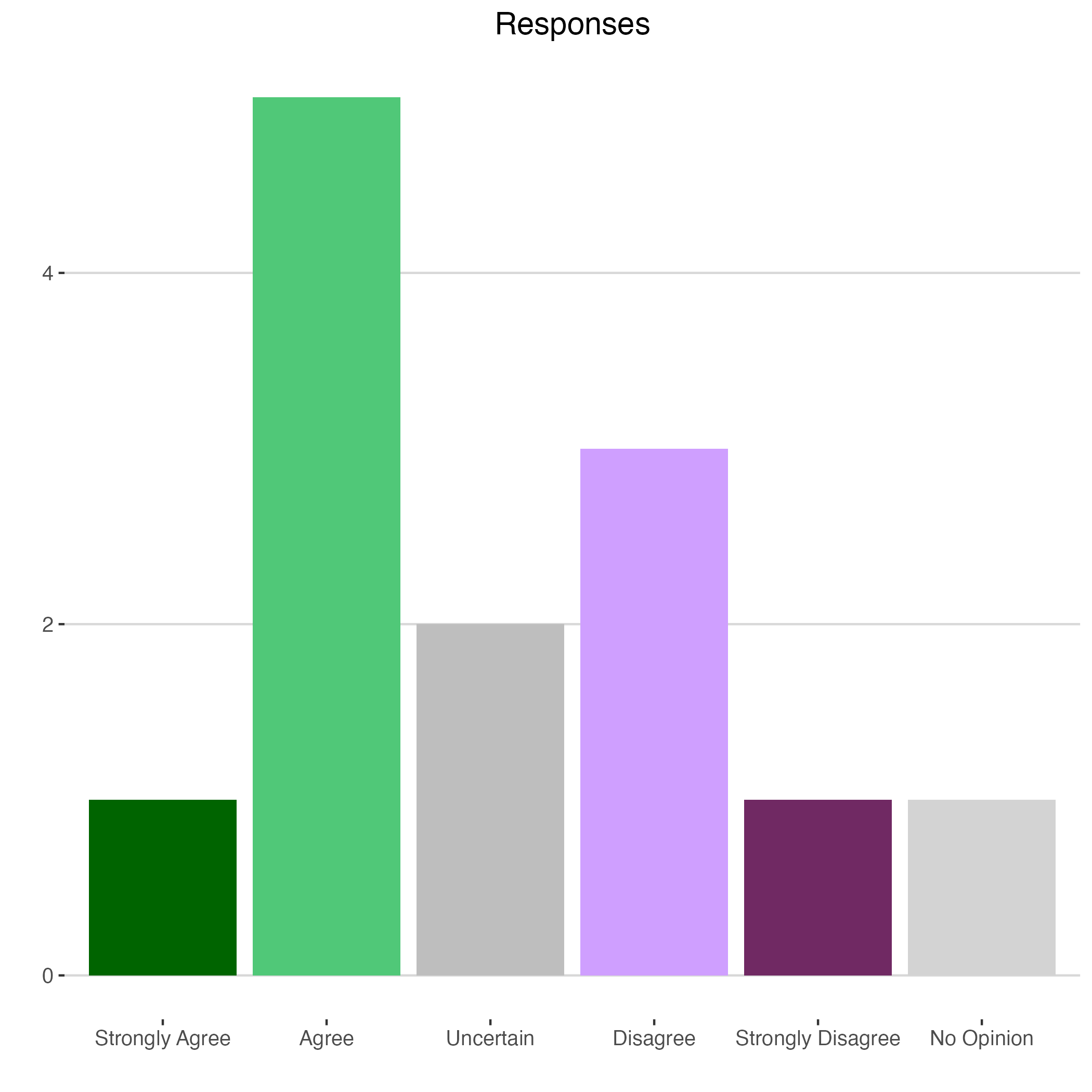
Question A: Medicaid fraud prevention programs that increase penalties and require additional verification and inspections will create fiscal savings that outweigh the administrative costs of running them.
Question B: Medicaid fraud prevention programs that increase penalties and require additional verification and inspections will reduce access for vulnerable populations like people with disabilities.

Question C: Medicaid fraud prevention programs that increase penalties and require additional verification and inspections will generate a greater economic return than expanding benefits for recipients.

Question A: Medicaid fraud prevention programs that increase penalties and require additional verification and inspections will create fiscal savings that outweigh the administrative costs of running them.
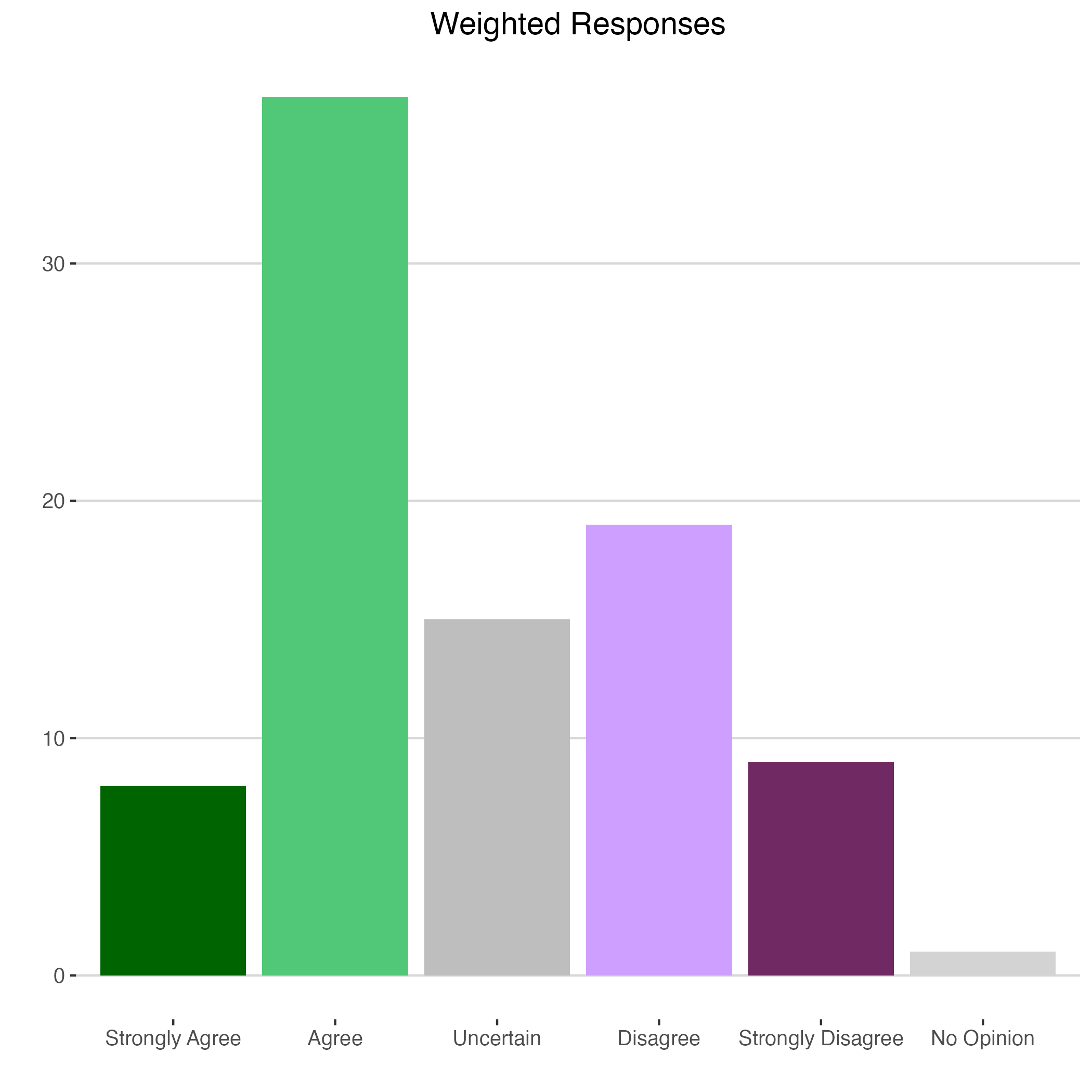
Economist Institution Opinion Confidence Comment
Jonathan Andreas Bluffton University No Opinion 1 One would hope, and it seems likely, but I'm not qualified to judge.
David Brasington University of Cincinnati Disagree 7 The administrative costs are certain, but it's uncertain yet how much fraud will be discovered and prevented.
Ron Cheung Oberlin College Disagree 5
Kenneth Fah Ohio Dominican University Agree 8
Vinnie Gajjala Tiffin Univeristy Uncertain 8
Michael Jones University of Cincinnati Strongly Agree 8 A low-cost verification system that confirms identity and eligibility at the moment that services are provided should produce a positive ROI for Ohio. Ohio should be implementing electronic visit verification for nearly every service that is reimbursed. Unfortunately, AI and other economic forces are moving us from a high-trust to a low-trust society; and reasonable checks and inspections can help restore societal trust in government services.
Charles Kroncke Mount Saint Joseph University Agree 9
Trevon Logan Ohio State University Strongly Disagree 9
Curtis Reynolds Kent State University Disagree 7 This is always the challenge: more verification/inspections are costly and I do not think that there will be much fiscal savings. Medicaid fraud does exist but the estimates are that it is not a large percentage of total spending.
Iryna Topolyan University of Cincinnati Agree 6
Ejindu Ume Miami University Agree 6
Andy Welki John Carroll University Agree 8
Kathryn Wilson Kent State University Uncertain 7 It all depends on what the verification and fraud prevention programs are. The ones that are in the bill in Ohio focus on providers, which I believe is the proper focus. Reducing fraudulent providers can be impactful. Programs directed at reducing fraud among recipients are less likely to have fiscal savings that outweigh administrative costs.

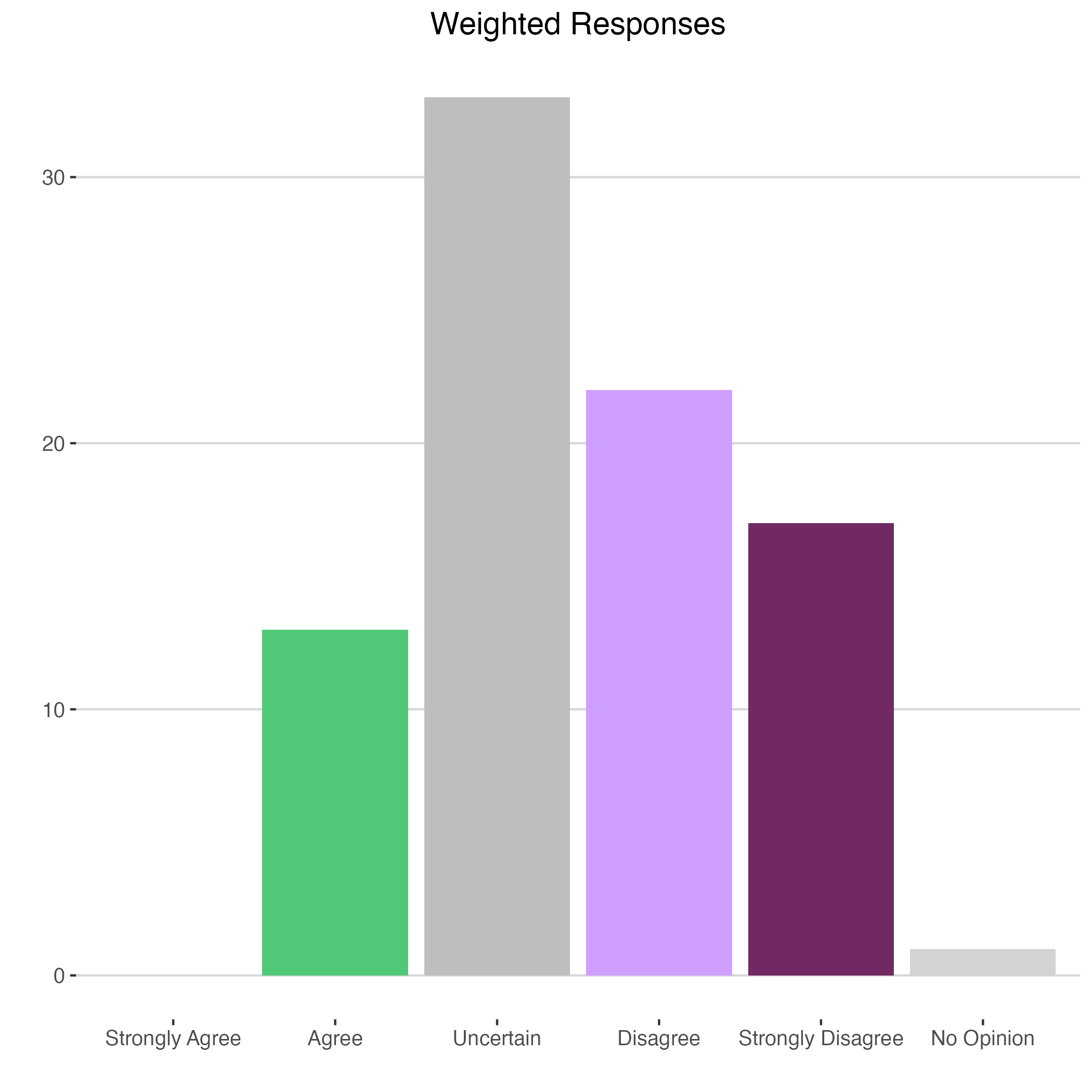
Question B: Medicaid fraud prevention programs that increase penalties and require additional verification and inspections will reduce access for vulnerable populations like people with disabilities.
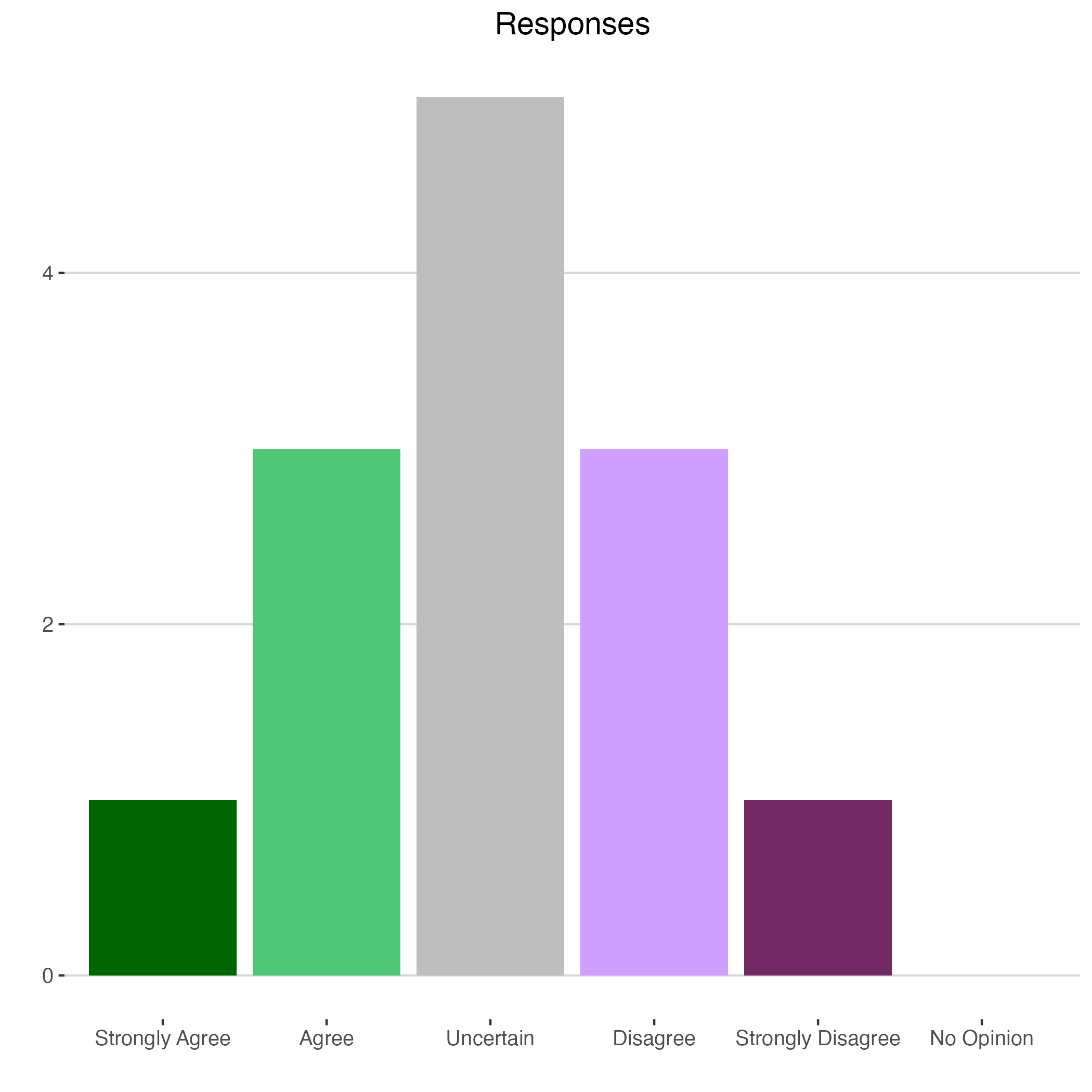
Economist Institution Opinion Confidence Comment
Jonathan Andreas Bluffton University Uncertain 1 It will undoubtedly reduce access in the short run because of inevitable false positives which reduce necessary care, but in the long run, IF it increases the efficiency of Medicaid, it could increase care because of helping channel scarce dollars to the patients who really need them rather than to fraudsters.
David Brasington University of Cincinnati Agree 7 Some providers will balk at the additional hoops they have to go through, reducing the number of care providers.
Ron Cheung Oberlin College Uncertain 6
Kenneth Fah Ohio Dominican University Disagree 8
Vinnie Gajjala Tiffin Univeristy Uncertain 8
Michael Jones University of Cincinnati Strongly Disagree 8
Charles Kroncke Mount Saint Joseph University Strongly Agree 10 Vulnerable people are likely to get snared by the fraud prevention program which may penalize people who Medicaid is supposed to help.
Trevon Logan Ohio State University Agree 8
Curtis Reynolds Kent State University Agree 8 If changes make it more challenging or more tedious or more confusing for individuals to provide verification then it would decrease access.
Iryna Topolyan University of Cincinnati Disagree 7
Ejindu Ume Miami University Uncertain 5
Andy Welki John Carroll University Disagree 7
Kathryn Wilson Kent State University Uncertain 5 As long as the fraud prevention and verification requirements are reasonable, I do not expect it to have an impact on vulnerable populations. However, if the requirements are too burdensome for providers, it may limit the number of providers.

Question C: Medicaid fraud prevention programs that increase penalties and require additional verification and inspections will generate a greater economic return than expanding benefits for recipients.
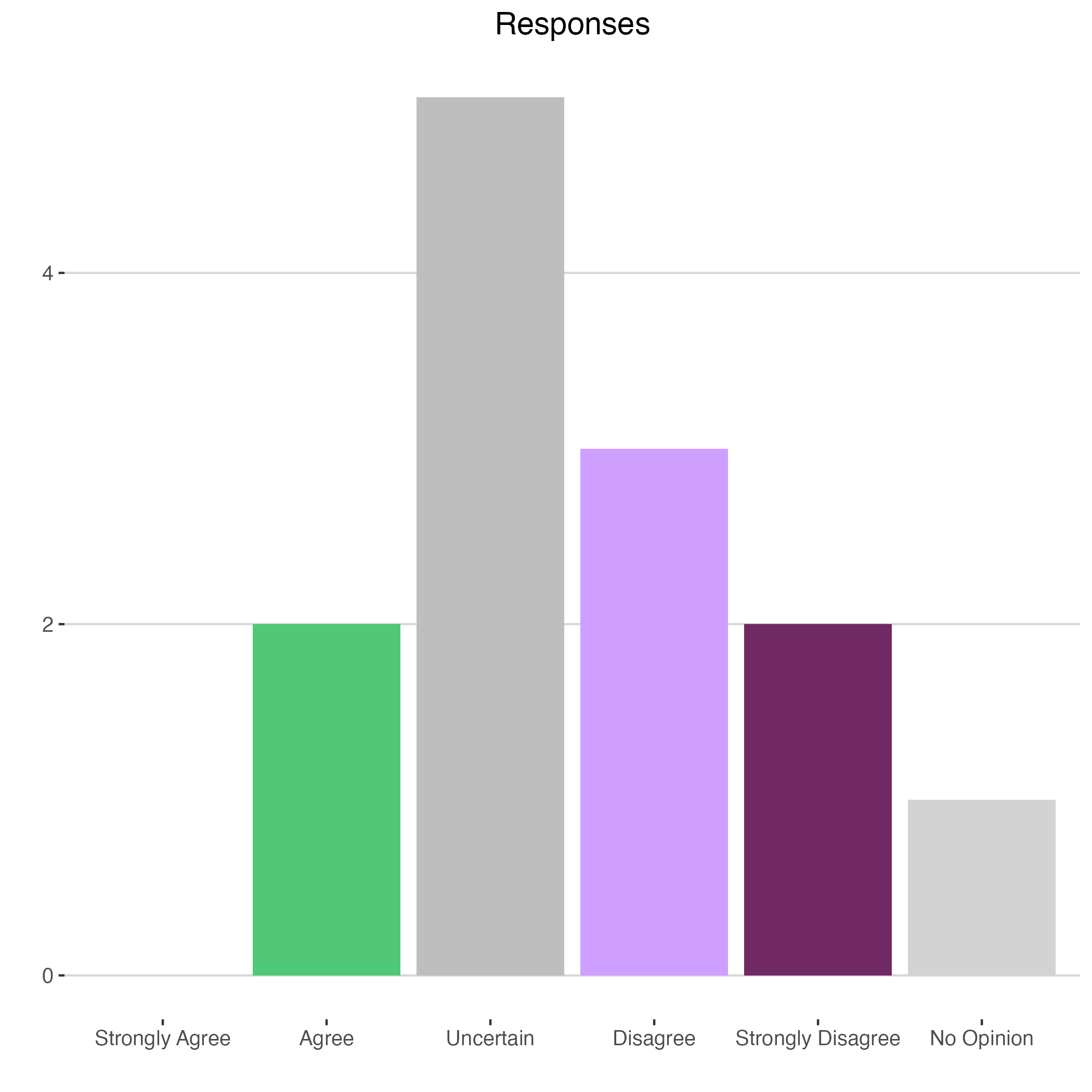
Economist Institution Opinion Confidence Comment
Jonathan Andreas Bluffton University No Opinion 1 It depends on whether or not this makes Medicaid more efficient. I would hope so, but I'm not qualified to judge.
David Brasington University of Cincinnati Uncertain 6 We won't know the extent of fraud currently committed or prevented until such measures are enacted. Expanding benefits for current recipients would increase costs, fraud, and access to care.
Ron Cheung Oberlin College Uncertain 6
Kenneth Fah Ohio Dominican University Disagree 8
Vinnie Gajjala Tiffin Univeristy Uncertain 8
Michael Jones University of Cincinnati Uncertain 8
Charles Kroncke Mount Saint Joseph University Disagree 6 I doubt the financial return of the program will exceed its expenses. In addition, there will be a social cost of vulnerable populations losing benefits.
Trevon Logan Ohio State University Strongly Disagree 9
Curtis Reynolds Kent State University Disagree 8
Iryna Topolyan University of Cincinnati Agree 6
Ejindu Ume Miami University Strongly Disagree 8
Andy Welki John Carroll University Agree 7 Confidence in a well run system promotes greater support.
Kathryn Wilson Kent State University Uncertain 5