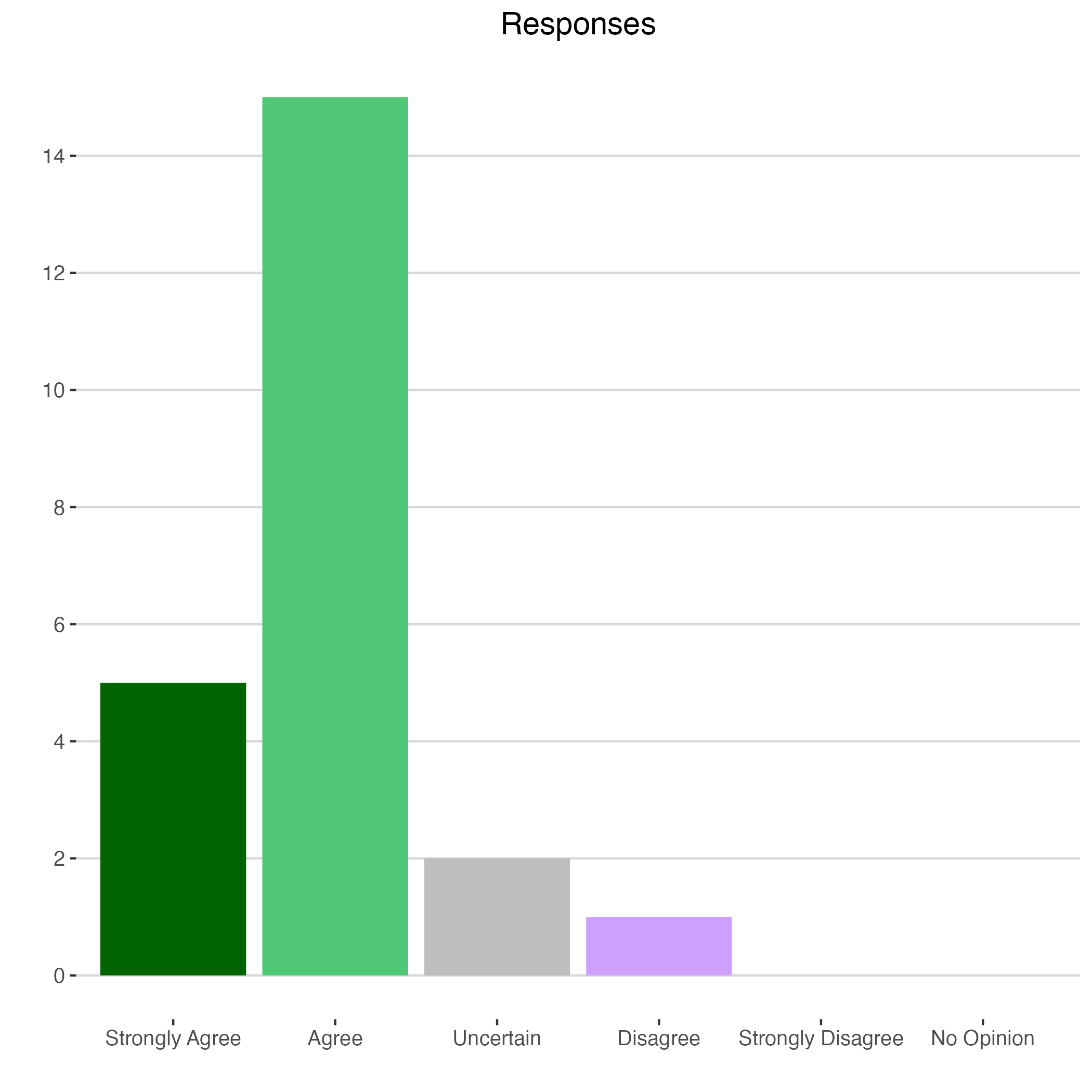
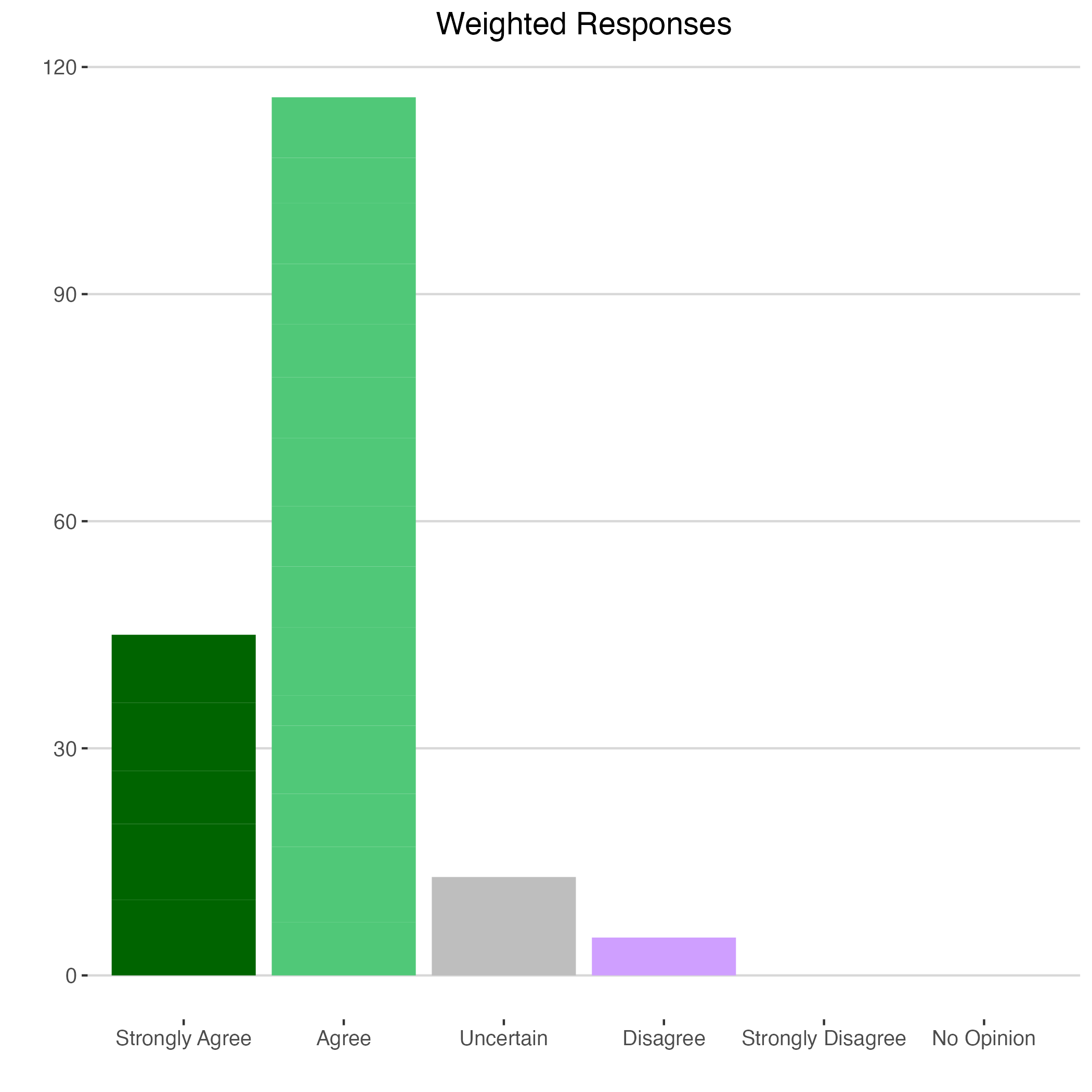
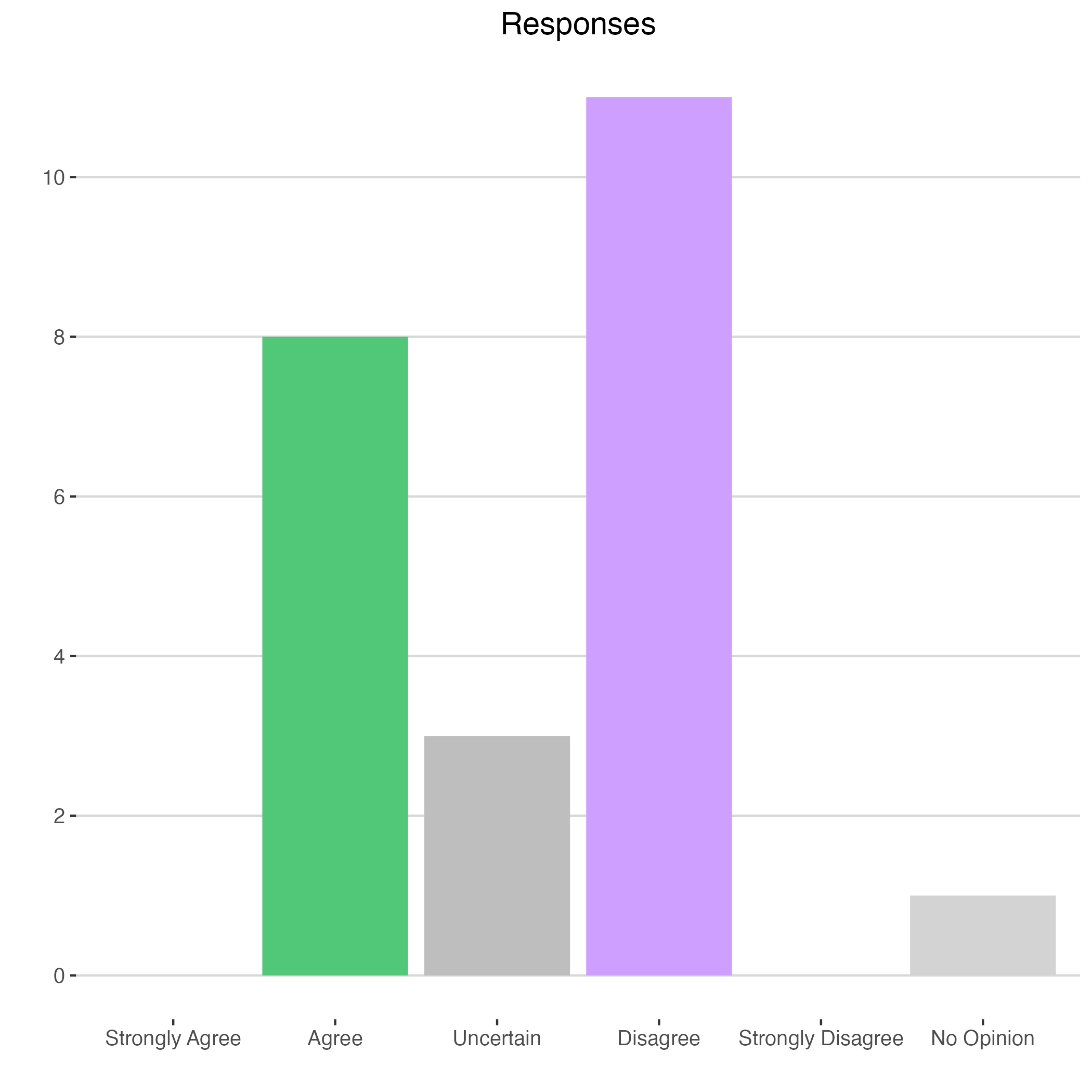
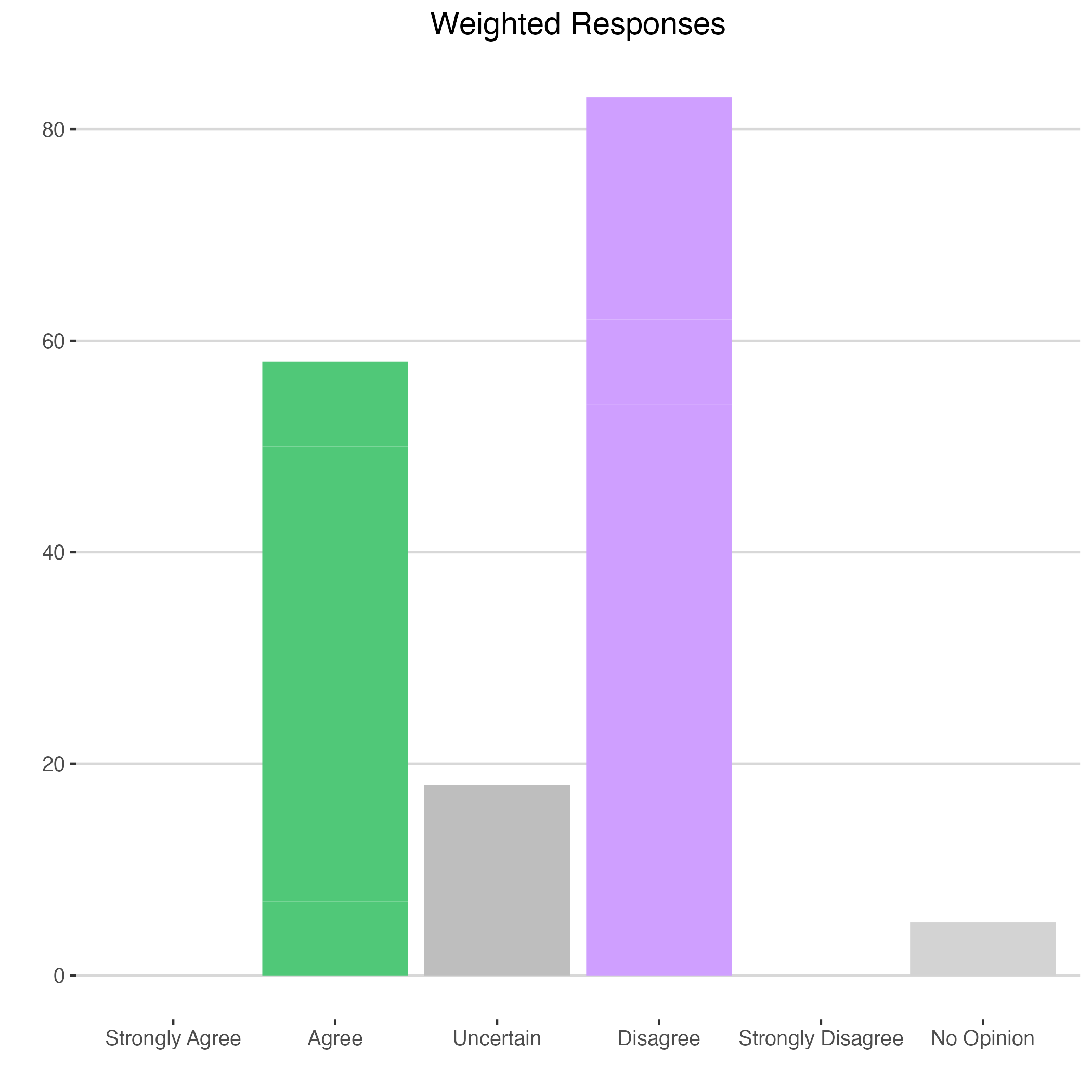
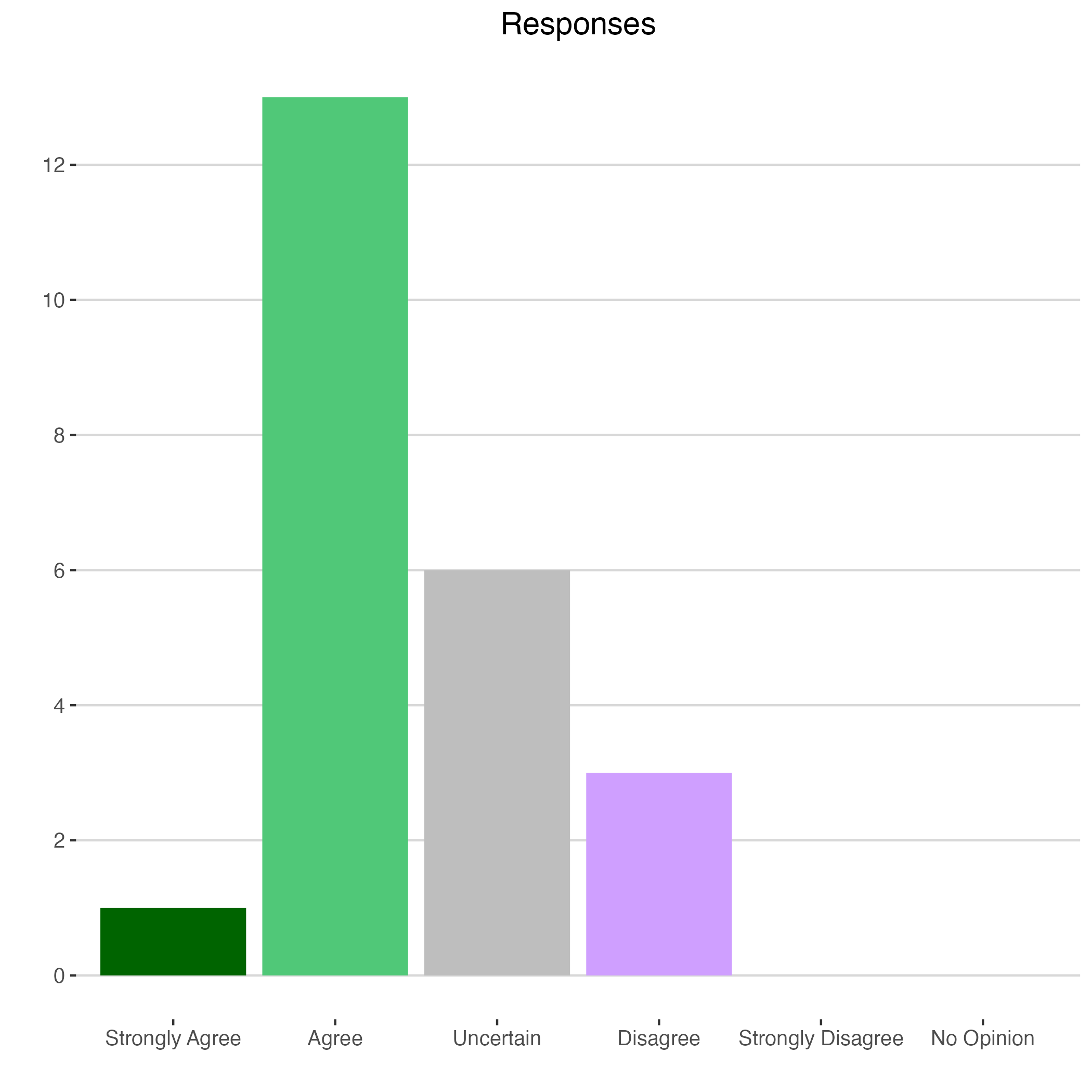
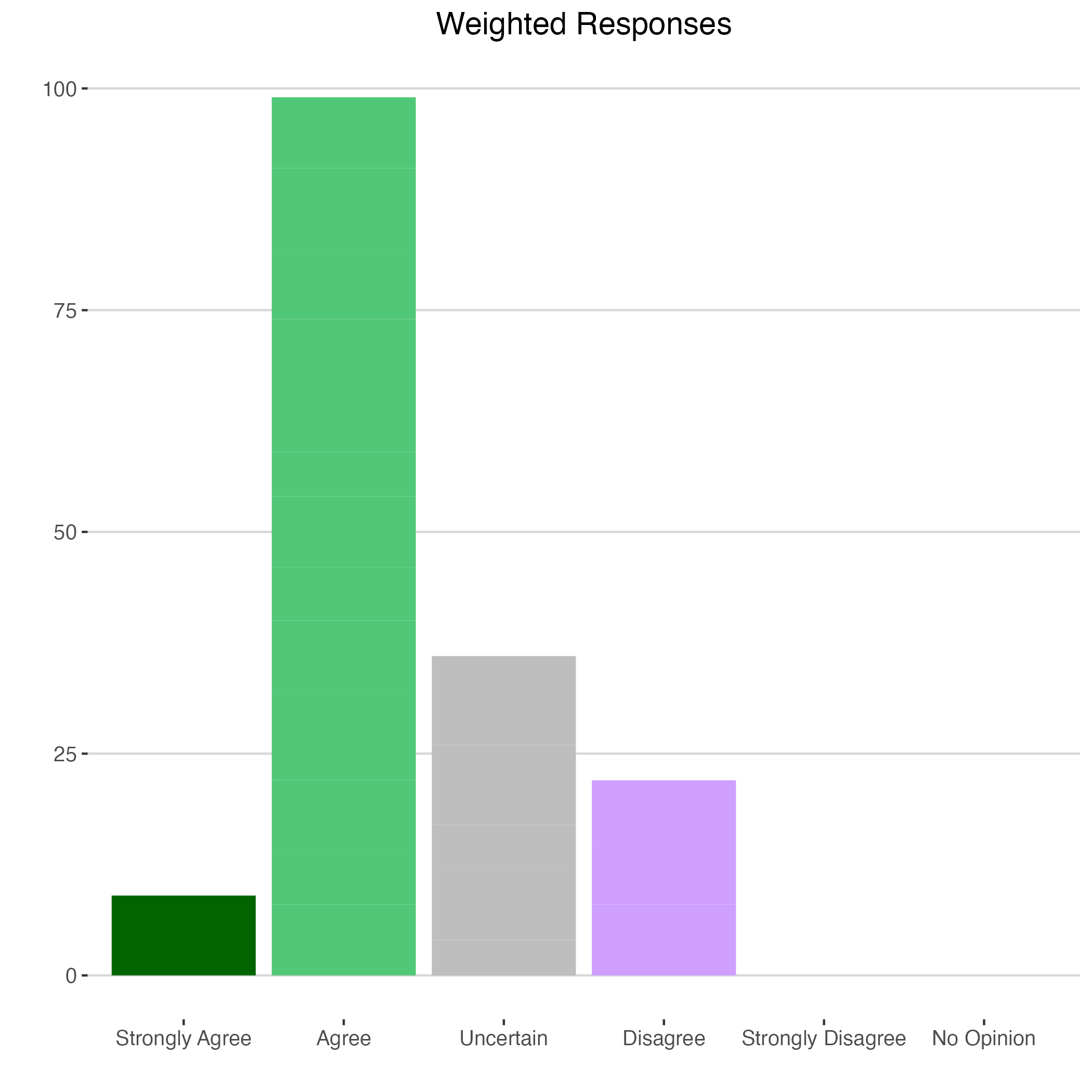
| Jonathan Andreas |
Bluffton University |
Uncertain |
4 |
Policies are certainly important, but so are things like climate and natural amenities like mountains and wilderness which will pull people when policies are similarly good. Whereas it is easy to see how Texas and Florida have had better policies than Louisiana and Missisippi, since they share a similar climate and geography, it is harder to see whether or not there is any difference in success for Ohio versus peer states like Pennsylvania or Indiana and comparing Ohio with Florida is a bit like comparing apples and oranges. Since we can't change our natural endowment, we have to use policies to compete and there is always room for improvement. |
| David Brasington |
University of Cincinnati |
Disagree |
8 |
not many people pick a place to live based on social policy. jobs, climate, geography, quality of life all matter more |
| Ron Cheung |
Oberlin College |
Agree |
8 |
|
| Kevin Egan |
University of Toledo |
Agree |
5 |
I think "quality of life" is the most important predictor of state growth. In our modern service economy, I think it is truer that jobs follow where citizens prefer to live not the other way around. And where citizens prefer to live will end up being more expensive as demand for housing, etc. is higher. Since air conditioning became common warmer climate states are more popular so Ohio needs to offer quality schools, low crime, desired public spaces such as the new Toledo Riverwalk project, changing zoning laws to allow more dense construction where it is desired to keep housing more affordable, and so much more. |
| kenneth Fah |
Ohio Dominican University |
Uncertain |
8 |
|
| Vinnie Gajjala |
Tiffin Univeristy |
Agree |
8 |
|
| Will Georgic |
Ohio Wesleyan University |
Agree |
8 |
If you think of social policy issues as non-market amenities, and if you think that recent state-level decisions have worsened the quality of these non-market amenities, then following a Rosen-Roback type model could support the belief that these decisions are contributing to the State's current population trend. If you believe that the marginal state resident (the potential Ohioan that may choose to work and live in Ohio or to do so in another state) is more sensitive to these social policy decisions than the average Ohioan, then you should be even more confident that these decisions are causing Ohio to become a relatively smaller state. |
| Nancy Haskell |
University of Dayton |
Uncertain |
5 |
|
| Faria Huq |
Lake Erie College |
Uncertain |
5 |
|
| Christian Imboden |
Bowling Green State University |
Agree |
6 |
|
| Michael Jones |
University of Cincinnati |
Disagree |
7 |
|
| Charles Kroncke |
Mount Saint Joseph University |
Uncertain |
5 |
|
| Bill LaFayette |
Regionomics |
Agree |
7 |
Pulling from Richard Florida's work, tolerance is an important contributor to economic and population growth. But employment opportunities are still the key driver. |
| Trevon Logan |
Ohio State University |
Agree |
8 |
|
| Joe Nowakowski |
Muskingum University |
Agree |
8 |
|
| Curtis Reynolds |
Kent State University |
Uncertain |
9 |
This may become more of an issue going forward. Obviously not everyone disagrees with such policies but younger people are less likely to agree and that is who we may be concerned about leaving the state. There are plenty of states without such policies they could move to. More importantly, there are plenty of states with similar policies that have better job opportunities and much better weather than we do. Basically, Ohio and Florida may both have similar social policies so people will choose the one with better weather. |
| Albert Sumell |
Youngstown State University |
Agree |
9 |
It's hard to measure the impact, but there is no doubt state level social policy decisions have an impact on population growth |
| Iryna Topolyan |
University of Cincinnati |
Agree |
10 |
|
| Ejindu Ume |
Miami University |
Strongly Agree |
9 |
|
| Andy Welki |
John Carroll University |
Agree |
8 |
Tax climate and state level decisions that affect the educational experience matter, including K-12. |
| Kathryn Wilson |
Kent State University |
Agree |
6 |
|
| Rachel Wilson |
College Board |
Agree |
8 |
|