Whether it was to deal with scrapes on the playground or to get treatment for your “illness” that kept you out of class, everyone who went to school has an experience with the school nurse’s office. Over the past few decades, though, policymakers have been turning to schools more and more to provide health care services.

Intervention in childhood can be the most cost-effective time to provide preventative health care, impacting things like test scores and propensity to develop chronic disease later in life. Due to policy changes like the Children’s Health Insurance Act (CHIP) and the Affordable Care Act, many low-income children have gained health insurance coverage but have not necessarily gained access to health care. Health care deserts and lack of information held by parents have conspired to make it difficult for children to gain access to health care when they need it most.
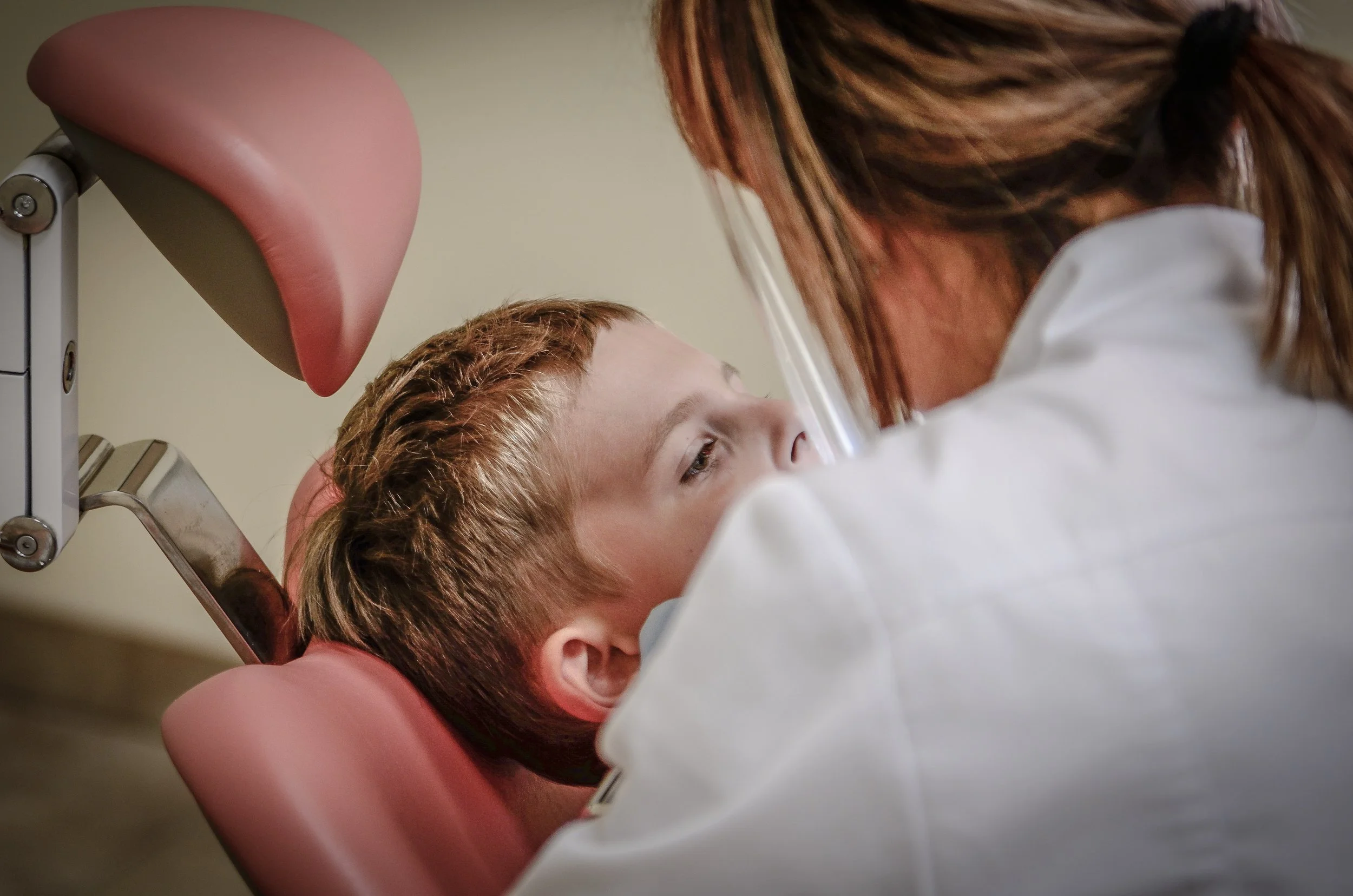
Enter the school-based health center. In its simplest form, a school-based health center is a medical clinic that is located on a school campus. Proximity to the place where children spend most of their days allows a school-based health center to provide preventative and screening care in a way that regular health centers are not able to.
The Ohio School-Based Health Alliance, a statewide organization focused on supporting school-based health centers across the state, has established a six-point definition of a “school-based health center.”
School-based health centers are health care centers based on school campuses serving students at that school and sometimes their families, school personnel, and community members. These centers focus on primary care and sometimes provide behavioral health, vision, oral, and other health services as needed by the community. Center staff work to improve both health and educational outcomes and coordinate care with school nurses and other school personnel to ensure services are complementary and not duplicative. School-based health centers are run by outside organizations like federally qualified health centers, hospitals, public health departments and nonprofit agencies and provide care during the school day. They also conform to federal, state, and local medical licensing, information, and consent laws.
School-based health centers are not a replacement for the nurse’s office system: they are a complement that provide different services and supports. Nurse’s offices are focused on triage, public health functions, and providing universal care for students. School-based health centers allow care to also be targeted, providing clinical care that is scheduled and focused on the needs of students in a specific community. Investing in school-based health centers does not create a replacement for school nurse’s offices: a system that invests in health centers without investing in nurse’s offices could lead to more public health problems in the long-run. But by complementing resources already available, school-based health centers can create a more resilient overall health system.
School-based health centers help the community deal with access gaps, utilize the school as a locus of health care issues, and deal with youth mental health issues.
In March 2024, the National Residency Match Program announced that the percentage of pediatric-residency positions that were filled through the program fell from 97% in 2023 to 92% in 2024. This means fewer doctors are training to help children, making it more difficult for children to get access to primary care. Families also face barriers due to transportation issues. In a study done on access to primary care, families cited transportation barriers as a top 3 issue for why they could not make primary care appointments. Families are also juggling work, insurance changes, and long wait times, which make access to primary care difficult. School-based health centers help reduce these barriers by locating qualified primary care workers in places of easy access to children: schools.
School-based health centers also help schools face the reality that they are acting as de facto health care providers. Teachers, school counselors, and administrators are managing health conditions like asthma, diabetes, anxiety, and traumatic stress on a daily basis. My fiancée is a high school math teacher, but I often joke (only half facetiously) that she is a social worker who happens to also teach math. With a wide range of parent involvement in children's lives, many children turn to teachers and other adults at school for help with health issues. School-based health centers help bring professionals with training that teachers, administrators, and often even school nurses don’t have to the school context to handle these tasks.
All this is happening at a time when children’s mental health issues are on the rise. According to the Centers for Disease Control and Prevention, 16% of children age 12-17 have a current, diagnosed condition, 8.7% have a current, diagnosed depression condition, and 6.8% have a current, diagnosed behavioral disorder. These conditions impact a child’s ability to learn, but they also impact teachers’ ability to teach in the classroom and other children’s ability to learn. Providing proper screening and referral for these conditions through school-based health centers can be an effective tool for treating these conditions and improving the educational environment for children.
The rise of in school-based health centers reflects the reality that schools have become central locations for health care delivery to children. Schools are where children spend a significant proportion of their time, so it should not be surprising that this is where they will receive health care, especially students with chronic conditions. State investment in school-based health centers reflects not only this fact but also the fact that investing in children is a long-term investment in the state’s education system, economy, and public health.
School-based health centers will not solve all health problems for children. They are, however, a useful tool for promoting individual health and providing services in places where children go throughout the week and year. By removing barriers to access, school-based health centers can help identify conditions that may not be identified otherwise and can provide care that school nurses are not equipped to provide without sacrificing their vital triage and public health functions. The growth of school-based health centers represents an adaptation of the health care system to meet needs and promote public health where children are today.