
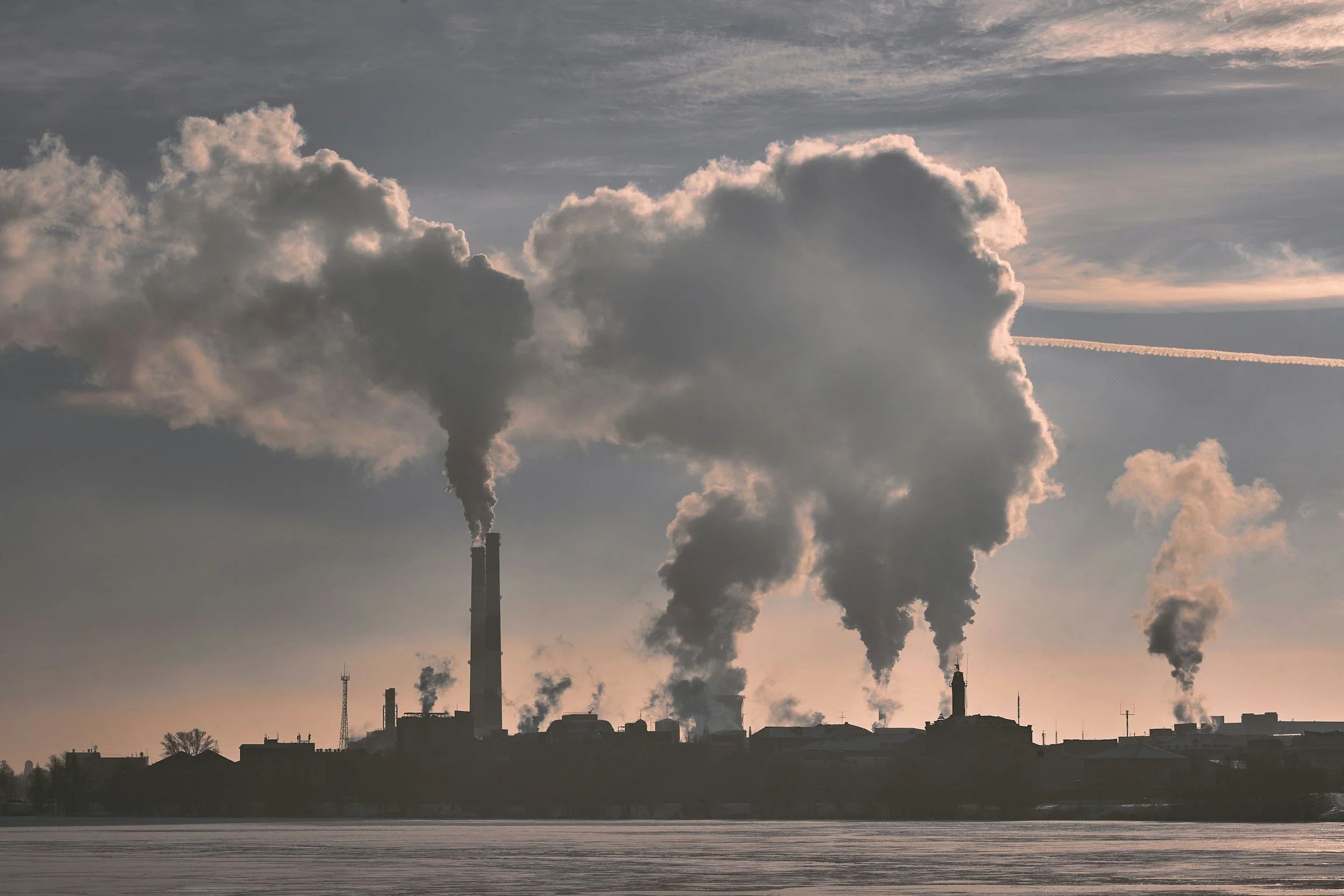
In a recent rule, the Environmental Protection Agency decided that they would no longer be considering the monetary value of health impacts that result from the emission of fine particles. Their justification for this change is that there is uncertainty around how to monetize these health impacts. The EPA is saying that they still plan to quantify these impacts, just not monetize them. Still, this change is likely to have significant impacts in terms of rulemaking and seems very likely to reduce restrictions on polluters.

We’ve actually written before about some of the discourse surrounding calculations for the value of statistical life and how this is an open discussion in the field of cost-benefit analysis. The EPA is just stating the facts when they say that there is uncertainty around the best way to monetize health impacts.
However, uncertainty is not a reason to ignore an impact entirely.
As far as I am aware, there is nobody in the cost-benefit analysis world that thinks that the value of statistical life is an invalid way to monetize health impacts. There are plenty of discussions about what the best estimate is, but everyone agrees there should be some estimate.
Ignoring the dollar value of lives saved will make future EPA cost-benefit analyses incomplete. I don’t expect every possible outcome to be measured and monetized, but evidence has shown that humans tend to ascribe a significant amount of value to reducing their risk of death. It is so often true that the value of lives saved is the largest economic benefit to a program or policy, especially those that involve harmful pollutants like PM2.5.
A better way to handle this uncertainty would have been through sensitivity analysis. Other agencies have their preferred values for the value of statistical life, researchers have been advancing the research on what the value of statistical life should be, particularly for groups not involved in the labor market. Analysts can always (and should always) talk about the uncertainty of their estimates, meaning this should be standard practice no matter what.
Another reason EPA should continue to use these estimates in their cost-benefit analysis is that cost-benefit analysis is not the only determining factor when it comes to choosing policies! There are completely valid reasons for EPA or anyone else to do a cost-benefit analysis, determine that a policy has costs that outweigh benefits, and choose to implement it anyways. Choosing to ignore an impact doesn’t make it go away, it just means we have less information and are likely to make worse decisions.
One of the most common problems with research is when people are overly confident about a result and it turns out to be wrong. This is why at Scioto Analysis we spend so much time talking about sensitivity analysis. To safeguard against overconfidence, we need to show people how our estimates may vary when they are exposed to real world conditions.
This EPA rule change feels intentionally misleading to me. Whether it’s fair or not, calling a research project a cost-benefit analysis and assigning a monetary value to a policy change attaches it to the credibility of all the researchers who have spent their lives working on this topic. Voluntarily ignoring a major outcome and presenting the results as finished cost-benefit analysis not only leads to worse decisions, but it harms the credibility of the entire research field.