
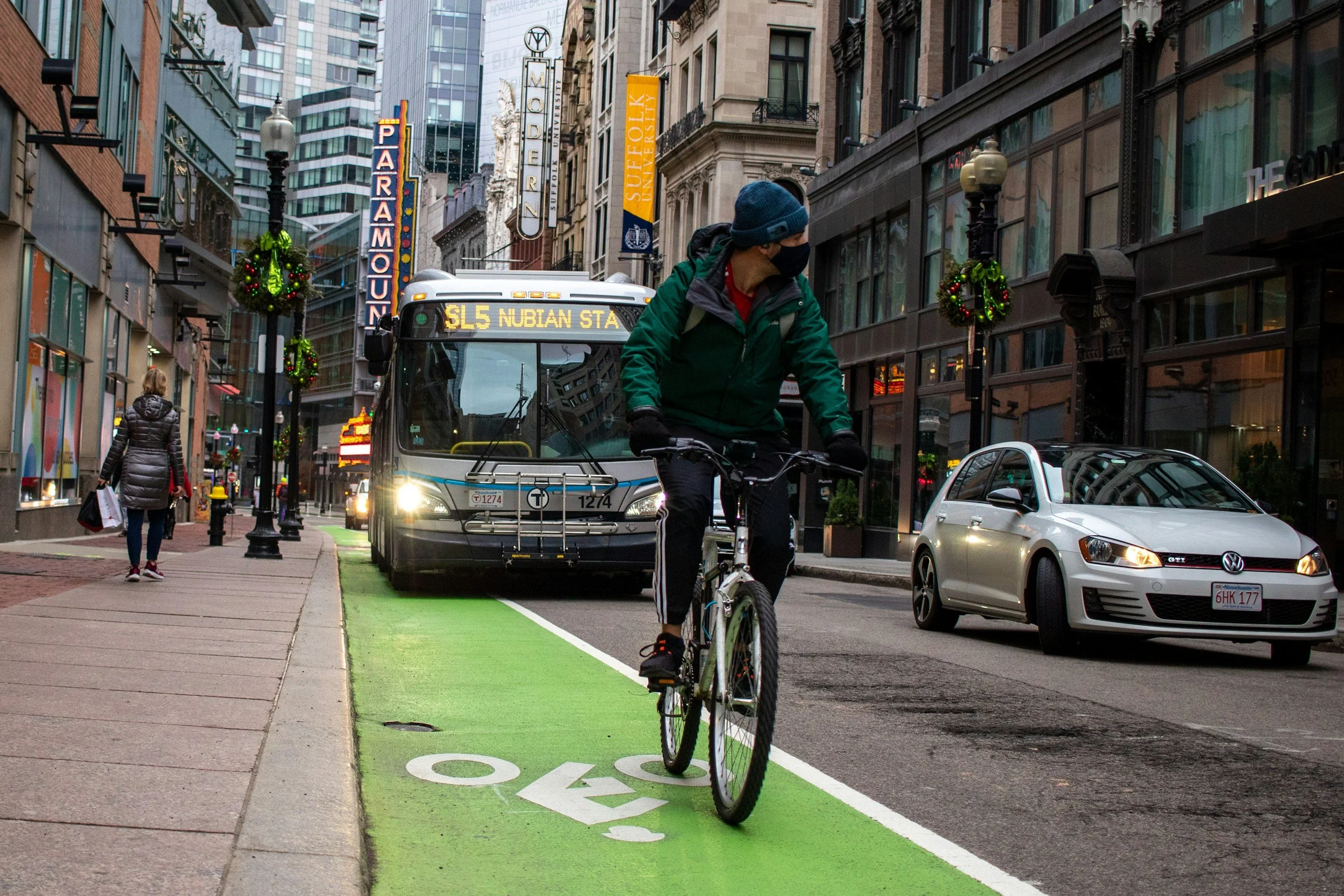
Recently, I was made aware of a super cool tool the Ohio Department of Transportation put together for performing cost-benefit analysis at the state and local level. I am extremely happy to see a state organization put together such a helpful reference that local governments can easily access to help inform infrastructure projects. Today, I wanted to go through some of the benefits they highlight in their tool and talk about how active forms of transportation can create broader economic value.

When we’re talking about “active transportation,” we are typically referring to modes of transportation that rely on human power rather than engines like walking and biking. In addition to being desirable amenities that people enjoy, these projects can generate meaningful economic benefits that show up across many different parts of the transportation system.
Safety benefits of active transportation
One of the main assumptions underpinning this cost-benefit analysis is that by providing active transportation infrastructure, cities can reduce the number and severity of traffic crashes.
When roads include dedicated space for cyclists and safer crossings for pedestrians, crashes with motor vehicles decline. Drivers also tend to slow down when streets are designed to accommodate multiple modes, which reduces both the likelihood and severity of crashes.
These safety improvements generate economic value because crashes are expensive. They impose costs through medical bills, lost productivity, emergency response, insurance claims, and property damage. Even relatively small reductions in crash rates can produce large economic savings when aggregated across an entire community. From a cost-benefit perspective, investments that prevent crashes often pay for themselves over time through avoided losses.
Vehicle operating costs
Another major category of benefits comes from reduced vehicle operating costs. When people substitute even a small number of car trips with walking or biking, they reduce the amount they spend on fuel, maintenance, tires, and vehicle depreciation.
These costs are often overlooked because they are spread out over time. A single avoided trip might only save a small amount of money, but over the course of a year those savings can add up. For households operating on tight budgets, reducing transportation costs can free up resources for housing, food, or other necessities.
At a broader level, fewer vehicle miles traveled also reduces wear and tear on roads. That means governments can delay expensive maintenance and reconstruction projects. While active transportation infrastructure has its own maintenance needs, those costs are generally much lower than maintaining infrastructure designed to support heavy motor vehicles.
Pollution reductions
Active transportation also reduces pollution by lowering the number of vehicle trips made using gasoline or diesel engines. This includes both traditional air pollutants such as particulate matter and nitrogen oxides, as well as greenhouse gas emissions that contribute to climate change.
The economic value of pollution reductions shows up in several ways. Improved air quality leads to fewer respiratory illnesses, fewer missed workdays, and lower healthcare costs. These benefits are particularly important in urban areas where traffic-related pollution can concentrate near major corridors.
Highway externalities
Economists use the term externalities to describe costs that drivers impose on others but do not directly pay for themselves. Highway congestion is one of the most familiar examples. When one additional car enters a crowded road, it slows down everyone else.
By shifting some trips to walking or biking, active transportation can help reduce congestion, especially for short-distance trips where alternatives to driving are most feasible. Even small reductions in traffic volumes can meaningfully improve travel times during rush hour. Other types of externalities include vehicle noise and roadway wear. Reducing vehicle dependence helps lower these indirect costs, which benefits both drivers and non-drivers.
Consumer surplus
In the context of active transportation, consumer surplus captures the value people receive from having more transportation options. Some people genuinely prefer walking or biking for short trips, but they may not currently do so because safe infrastructure is unavailable. When new infrastructure makes those trips possible, people experience benefits that go beyond direct cost savings.
For example, someone might prefer biking to work because it is faster than driving in congested traffic or because it avoids parking hassles. Even if the monetary savings are small, the convenience and time savings create real value. Cost-benefit analysis attempts to measure these gains so they can be compared to project costs.
Health benefits
Regular physical activity is associated with lower risks of chronic diseases such as heart disease, diabetes, and obesity. By integrating physical activity into daily routines, walking and biking infrastructure can help people stay active without requiring dedicated exercise time.
From an economic perspective, these health improvements translate into reduced healthcare costs, fewer missed workdays, and longer, more productive lives. These benefits can be especially large when projects make it easier for people to incorporate small amounts of physical activity into everyday trips, such as walking to transit stops or biking to nearby stores.
—
Taken together, these categories illustrate how active transportation projects generate value across many different dimensions. As more communities consider investments in active transportation, tools like this one provide a useful reminder that the benefits extend far beyond recreation. When evaluated through a cost-benefit lens, active transportation is not just about mobility, it is about improving economic efficiency and quality of life across an entire community.