
In this post, I am going to explain the basics behind another common market failure, public goods. If you would like a more broad overview of what a market failure is, I have a previous blog post on that topic. If you want more deep dives on market failures, check out my posts on externalities and natural monopolies. Additionally, I won’t be going into any of the math behind this concept. Instead, this will be a more intuitive discussion of how public goods work and what their impact on markets is.

What is a “public good?”
Public goods are defined by two key characteristics: they are non-exclusive and non-rival. In other words, it is difficult or impossible to restrict people from consuming the good and one person’s consumption of the good doesn’t impact the ability of another to consume it.
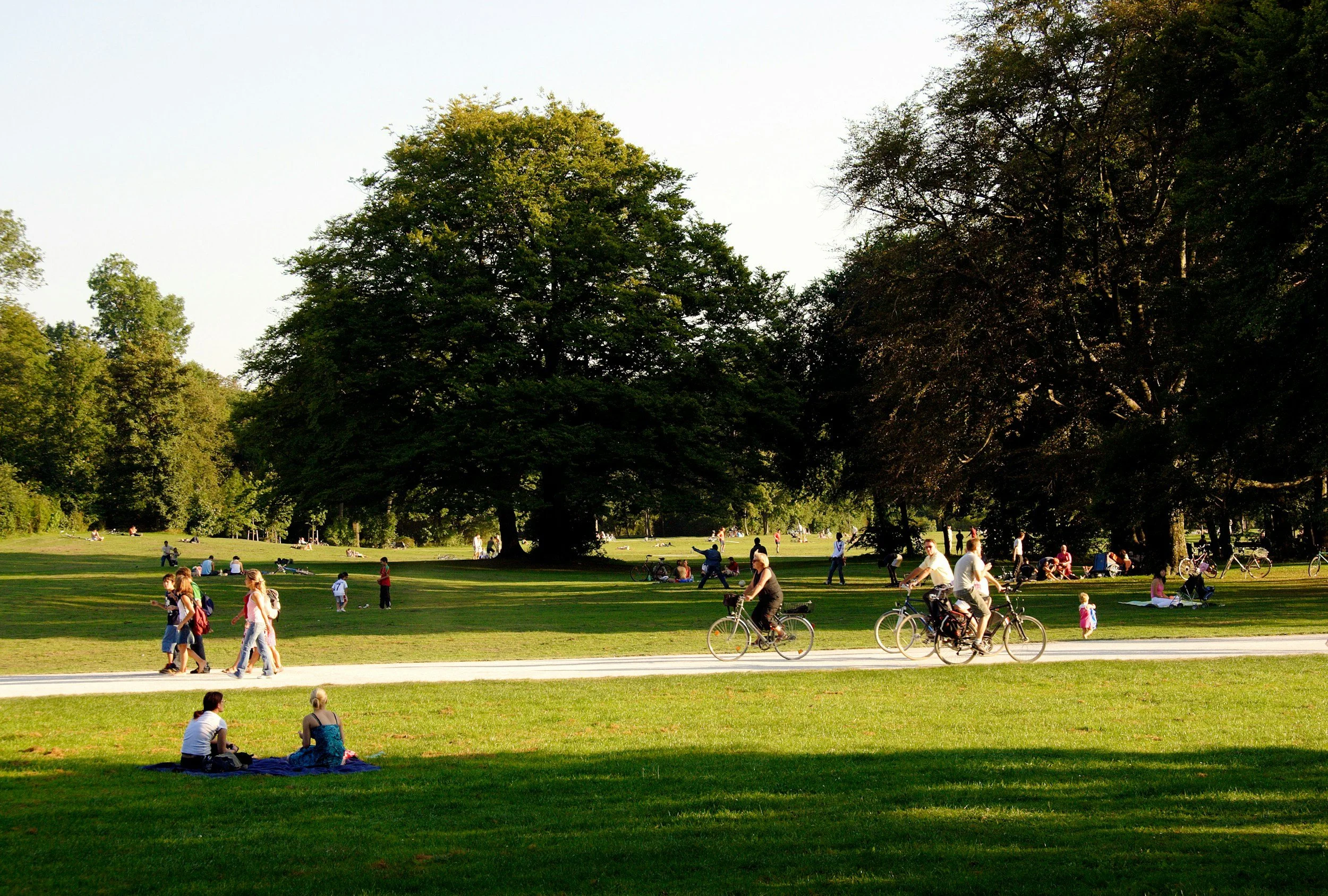
Nice weather is an example of a public good. It isn’t realistic for some company to come around and try to get me to pay before I’m allowed to go on a walk when it’s 70 degrees and sunny, nor does my walk on that day prevent anyone else from enjoying that nice weather. Even though I have a very high willingness to pay for days that are 70 degrees and sunny, it isn’t realistic for a private company to participate in the nice sunny day market.
As a more practical example, consider some public infrastructure like roads and sidewalks. These things are largely non-rivalrous,* and they are almost entirely non-excludable. Toll roads enable a small amount of exclusion, but they can almost always be avoided if you are willing to drive on backroads around them.
Why public goods are market failures
The fact that public goods are non-exclusive and non-rival means that private firms are largely unable to sell them in a traditional market. If a private firm decided they were going to try to build roads and charge people for using them, they would inevitably fall victim to the free rider problem.
These are public goods we collectively have a willingness to pay for but no real structure to pay for. The solution to this problem is to have the public sector levy taxes to fund them. Taxes create some drag on the economy, but they are great for reducing the severity of the free rider problem since the public sector can create a wide tax base.
Ideally, the public sector will try to provide public goods at a level that reflects the community’s overall willingness to pay. Roads, sidewalks, street lighting, and emergency services are all examples of goods that are difficult to sell individually but make communities function much more smoothly. When done well, public provision of these goods can improve productivity, safety, and overall quality of life in ways that far exceed their upfront cost.
Of course, not every good fits perfectly into the public good category. Some goods are partially rival or partially excludable, and policymakers can use hybrid approaches like user fees, special assessments, or public-private partnerships. But the underlying idea stays the same: when markets struggle to provide something valuable on their own, carefully designed public action can help fill the gap.
* Traffic and congestion make these goods slightly rivalrous, but after those conditions clear up the roads still remain for others to use.