
Nearly 150 years ago, American Economist Henry George wrote his magnum opus, “Progress and Poverty.”
The book made a splash and gained in popularity over the years, to the point that it outsold nearly every book written in the English language in the last decade of the 19th century — only beat by the Bible.
George wrote about a range of topics of economics and ownership in his book, but the lasting policy legacy of his wildly popular book is a policy option that to this day has still not garnered widespread adoption: a tax on land.
In today’s era of rapidly rising property tax liabilities due to rapid appreciation of housing values in the state of Ohio, many policymakers are trying to find ways to reduce the burden of property taxes on homeowners and renters (though admittedly more on the former than the latter).
Last week, state Sen. Louis Blessing put forth one of the most promising policy options to reduce property tax burdens, dusting off this bestseller from the turn of the century.
Blessing introduced legislation to change the Ohio Constitution to allow municipalities to levy land value taxes.
To talk about why land value taxes are so attractive as an alternative to property taxes, we have to first understand the problems with property taxes.
Property taxes are valuable because they allow for local governments to pay for community services. Schools, public safety, administration of safety net services: these are all funded through property taxes.
A benefit of property taxes is that local residents pay for their services, which allows mobile residents to locate in communities that provide the services they prefer at the price they prefer to pay.
Property taxes have major drawbacks, though.
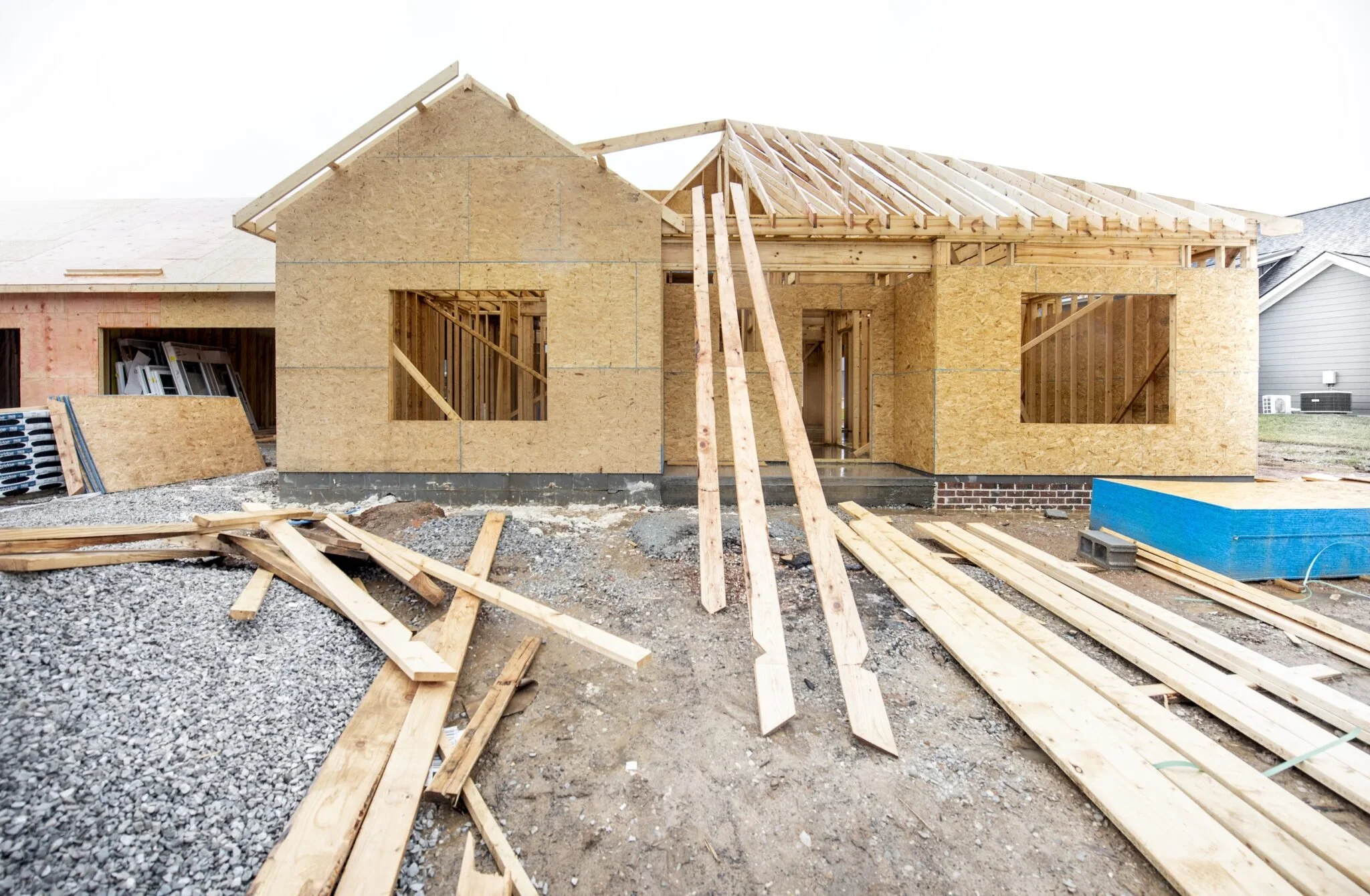
For one thing, they are a tax on development. Since building on a property increases its value, property taxes increase as property is developed. That creates a disincentive to develop properties, which leads to an underprovision of development such as housing.
This means landowners are incentivized by property taxes to sit on empty lots and underdeveloped land rather than developing them to meet market needs.
The other major drawback is their regressivity.
Low-income people spend a larger proportion of their paychecks on housing than upper-income people and in turn pay a large proportion of their income on property taxes.
Renters are not immune from these costs, either: researchers at MIT estimate 80% to 90% of landlord property taxes are passed on to renters in the form of higher rents.
Land value taxes take away these disincentives to develop land by taxing only the value of the land, not the property built on it.
Allentown, Pennsylvania is one of the few examples of communities that have implemented land value taxes. After their system was put in place, replacing some property taxes, they saw a surge in development and economic growth.
Land value taxes also are more equitable, with the burden shouldered by landlords rather than renters.
Since the overall supply of land cannot be increased or decreased, development can meet market demands, which means landlords need to shoulder the burden of the tax. This takes the burden off renters and improves equity outcomes.
Land value taxes would not solve all problems in Ohio, but they would encourage development and make the tax system more equitable, even if they are levied to replace property taxes in a revenue neutral manner.
That’s about as good as you can ask for in tax reform.
This commentary first appeared in the Ohio Capital Journal.