
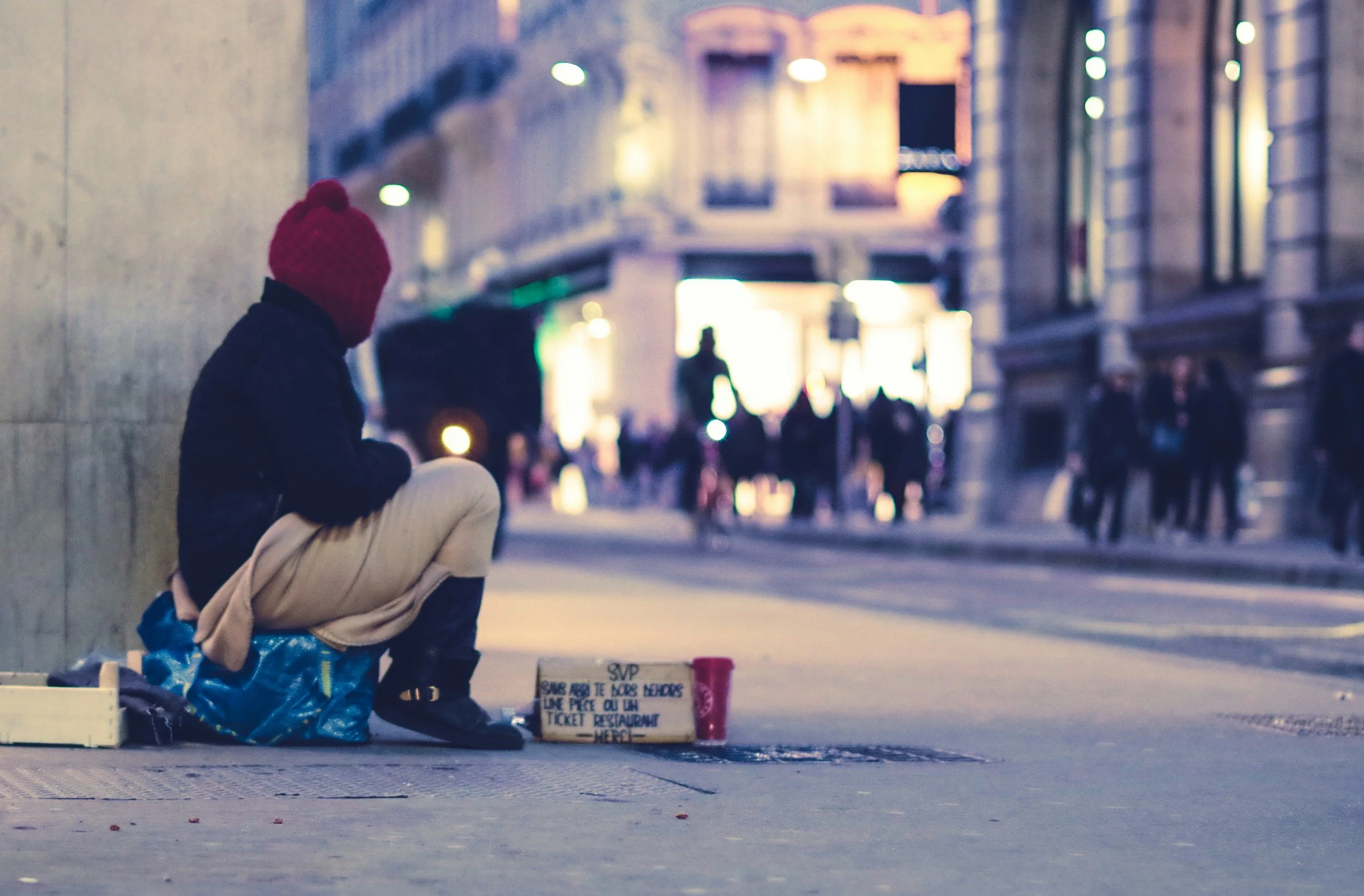
Each year, the U.S Department of Housing and Urban Development coordinates a massive nationwide effort to take a snapshot of homelessness across the country. The department’s “Point-in-Time” count gathers information from hundreds of local administrative bodies and estimates the number of people experiencing homelessness on a single night in January.
In 2024, the most recent year we have data from, the department counted 771,480 people experiencing some form of homelessness. With an increase of about 18 percent from 2023, homelessness reached its highest level ever recorded on a single night. Approximately 2 in every 1,000 people in the U.S were living in an emergency shelter, safe haven, transitional housing, or were unsheltered.
Homelessness is particularly pronounced among a few categories. Roughly 150,000 children experienced homelessness that night in 2024. As an age group, children faced the greatest increase in homelessness, with the 2023 count rising by about 33 percent into 2024. Black U.S. residents constituted roughly a fifth of the total homeless count. A third of all individuals who are not in families with children reported experiencing chronic homelessness.
One bright spot in the report related to veteran homelessness. The number of veterans experiencing homelessness on the night of the count fell by 18 percent in 2024 from its 2023 baseline.
The heightened incidence of homelessness may have been driven by several factors. High costs of housing likely drove the most housing insecure out of housing markets. The expiration of pandemic-era spending for children and rental assistance programs may have exacerbated financial challenges as well. Some evidence suggests that inflows of migration, particularly asylum-seeking immigration, also contributed to rising homelessness. Natural disasters in 2023, such as Hawaii’s unprecedented wildfire on the island of Maui, destroyed swathes of housing stock, leaving many on the street without housing options.
Policy approaches to homelessness
Action against homelessness is largely local, but financed with federal and state dollars. Across the country, local administrative bodies called Continuums of Care coordinate the provision of local services and housing. Numbering more than 400 across the country, Continuums of Care identify local needs for transitional housing and permanent supportive housing. The federal government’s Emergency Solutions Grants Program allocates funding to states and urban areas for emergency shelters. These three approaches to putting roofs over heads, in addition to an array of other services, constitute key pillars of policy responses to homelessness. It follows that the way policymakers allocate funding to each reflects a belief about the relative efficiency of each pillar.
Two underlying strategies to reduce homelessness dominate the current policy landscape. “Housing-First” approaches prioritize placement into permanent housing. Proponents of housing-first policy claim that individuals and families provided the stability of a home can more effectively address the root causes of homelessness. Critics of housing-first take issue with the scalability of housing-first models. Even if housing-first does strengthen residential stability, they say, it might not effectively address behavioral disorders or substance abuse. They further question the cost-effectiveness of housing-first at the community level.
Critics of housing-first often favor an alternative strategy we can call“Treatment-First”. Treatment-first approaches require participants to graduate through a series of services that address the root causes of homelessness before permanent supportive housing is offered.
Proponents of each philosophy believe there is a gap between the pillars of homelessness policy. Proponents for each philosophy would fund the pillars differently. Housing-first funding would go disproportionately to permanent supportive housing, while treatment-first funding designs would favor emergency shelters and transitional housing.
Changing attitudes toward financing homeless services
Each year, the Department of Housing and Urban Development releases a notice of funding opportunities outlining available funds and priorities. This notice allows Continuums of Care to renew a certain portion of their funding. Within each Continuum of Care, specific projects compete for a portion of the renewed funding. During the fall of 2025, the Department of Housing and Urban Development planned to split significantly from the previous status quo.
Declaring housing-first a failed ideology, the department capped funding for permanent supportive housing at 30 percent of total expenditures within the program. That level marked a 57 percentage point decrease from the prior level of funding for permanent supportive housing. Funding would be redirected to transitional housing and supportive services.
The notice was met with legal challenges. Lawsuits challenging it were filed in November and December of 2025. That December, the department withdrew the notice and a District Court issued a preliminary injunction directing the department to process grant renewals. After another notice of funding was issued, Congress required that programs expiring in March 2026 would be renewed for 12 months.
My work on homelessness
I have spent the last couple months conducting a cost-benefit analysis on homelessness policy in Hawaii.
At the time of the 2024 count, homelessness in Hawaii was surging. With 11,637 people experiencing homelessness in its most recent point-in-time count, Hawaii faced high per-capita homelessness. Its rate of 81 people experiencing homelessness per 10,000 people exceeded that of Washington (40), California (48), and Oregon (54). Among U.S states, Hawaii’s rate of homelessness tied New York’s for the highest (Washington DC surpassed both with 83 per 10,000). The Maui fires likely contributed significantly to this state of affairs.
We know homelessness is associated with a number of detrimental health conditions. Homelessness can also perpetuate cycles of incarceration and raise mortality rates for those experiencing it. Homelessness can reduce a child’s future adulthood earnings too.
Yet, meeting the challenge of homelessness is not without its costs. My work analyzes how various levels of funding to the pillars of homelessness policy in the context of Hawaii impact homelessness and social outcomes. It seeks to estimate how funding levels corresponding to housing-first and treatment-first philosophies might generate a range of possible outcomes for the state. In this way, I hope to understand how each policy path could enhance the well-being of some of society’s most disadvantaged members.
Results are forthcoming. I look forward to sharing them here over the next couple of months