
Carbon emissions in Ohio have fallen by about a third over the past twenty years according to data from the Energy Information Administration.

Americans don’t necessarily think about Ohio as a leading state in the move toward decarbonization of our energy system, but Ohio emitted 86 million fewer metric tons of carbon in 2023 than in 2003.
How did the state’s energy system do this?
The answer is largely a story about a see-saw in energy consumption in Ohio from coal to natural gas.
Coal consumption in Ohio fell by 71% from 2003 to 2023 while natural gas consumption increased by 65%.
While natural gas is not carbon-free, its 30 million additional metric tons of carbon emissions over the past two decades was far outbalanced by the 100 million fewer metric tons emitted by Ohio’s abandoning of coal as an energy source over that time period.
The balance of the carbon emission reductions came from reductions in use of petroleum for energy generation.
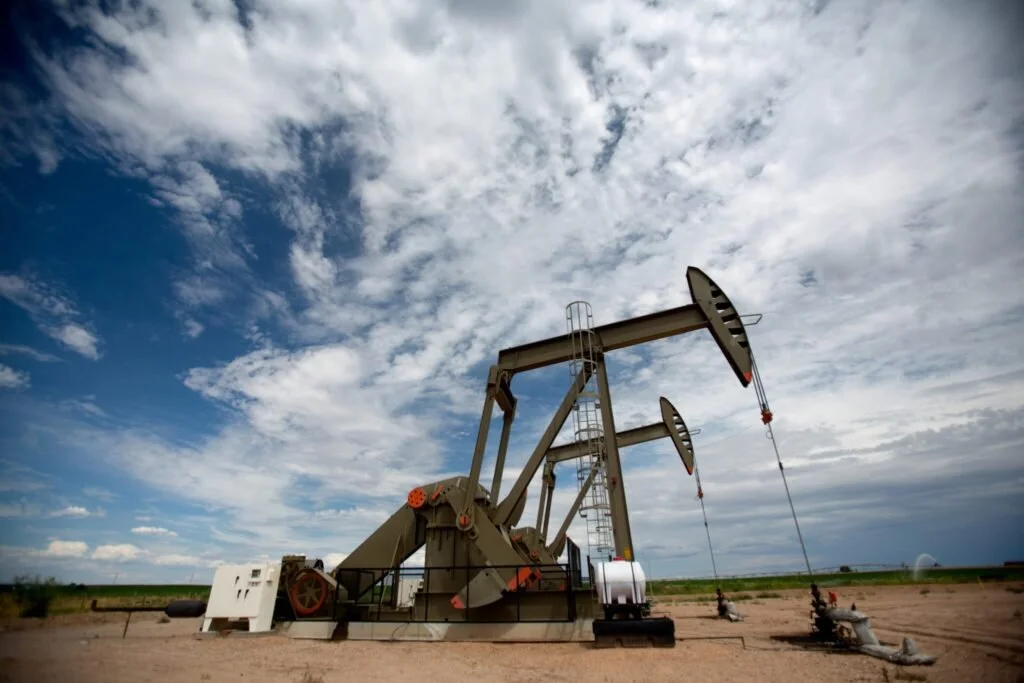
Ohio’s natural gas boom has also come with concerns about local extraction of natural gas.
The reason Ohio has adopted natural gas so rapidly is because of a well-documented boom in natural gas drilling driven by “fracking” technology deployed in Ohio’s eastern Appalachian region.
This has led to frequent clashes between environmental advocates who worry about the broader environmental and health impacts of natural gas drilling and companies looking to tap into this natural resource.
According to the United States Environmental Protection Agency, nearly 1,200 different chemicals have been used for hydraulic fracking.
The United States Department of Energy maintains a database of wells across the United States and disclosed chemicals used within these wells.
A 2016 United States Environmental Protection Agency report found that issues such as water withdrawals, spills, poor well integrity, direct injection into groundwater, inadequate wastewater treatment, and unlined pits can lead to drinking water impacts, potentially causing public health hazards for residents local to drilling projects.
Earlier this month, Northeast Ohio state Reps. Derrick Hall and Sean Brennan introduced legislation to beef up oversight of the chemicals used in oil and gas wells.
Ohio House Bill 958 would require more detailed chemical reporting by well owners, add disclosure for chemicals used to stimulate wells, create a state-level chemical disclosure database, and ensure the accuracy of chemical disclosures with random wastewater testing across the state.
This new oversight regime would move past the current level of reporting in the Department of Energy database by providing information about chemical use throughout the drilling process.
It would also create a testing regime and impose penalties for inaccurate disclosure, ensuring the fidelity of chemical use disclosure.
It would also allow medical professionals access to exact chemical compositions when exposures occur, allowing for better treatment and potentially better health outcomes for people exposed to chemicals.
Functioning energy markets, like any other market, are based on proper disclosure and flow of information.
This matters for consumers of energy, but also to third parties such as people whose drinking water may be contaminated by oil and gas extraction.
As long as disclosure requirements are not designed to be so onerous that they impede development of safe wells, requirements like this can be an effective tool for making energy markets more efficient and safeguarding environmental and public health.
This commentary first appeared in the Ohio Capital Journal.