
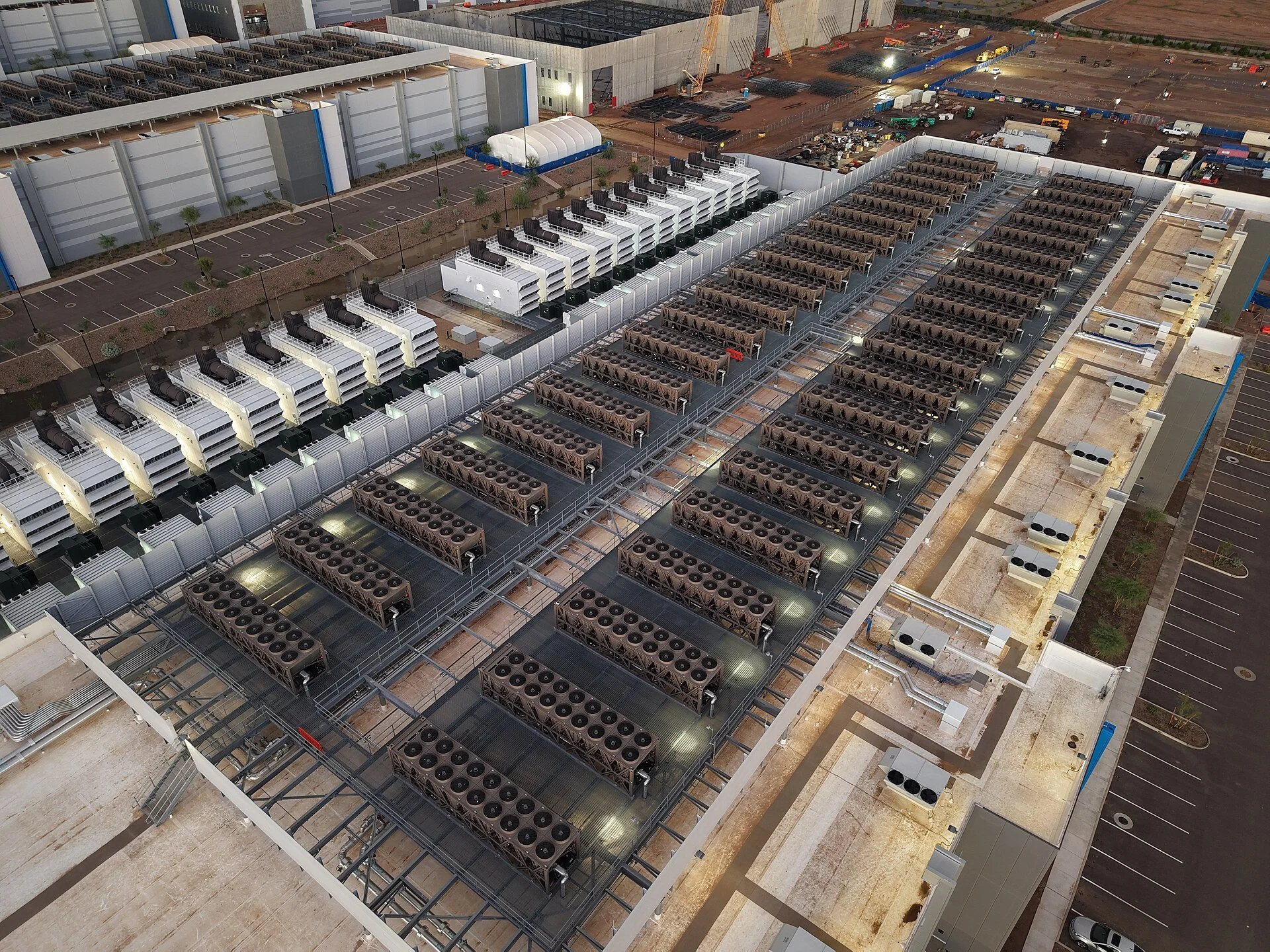
This morning, Scioto Analysis published a cost-benefit analysis of policies to regulate data centers in Ohio. We estimate that between 2013 and 2026, Ohio data centers produced a net social benefit of $62 billion, mostly from creating 96,000 new jobs and generating $75 billion in wages. However, as development accelerates, we estimate that data centers under current regulations will produce only $2.4 billion in net benefits between 2027 and 2034, with benefits only slightly exceeding costs.
If every planned data center project comes online by 2028, the number of data centers will increase by 50%, and their electricity use will more than triple. When data centers draw power from the statewide grid, electricity bills rise for Ohio ratepayers. We estimate that higher electricity prices will cost Ohio ratepayers $16 billion between 2027 and 2034. Because Ohio’s grid runs partly on natural gas and coal, data centers also produce substantial emissions. The largest costs come from air pollutants that harm local public health, which account for about $41 billion in costs between 2027 and 2034.
To show how policymakers can shape the future of data centers, we evaluated five policy alternatives between 2027 and 2034:
Under the status quo, data centers would produce a net present value of $2.4 billion, with a benefit-cost ratio of 1.04. Counties see most of their job gains from their first data centers, so additional data centers add few new benefits while adding substantial costs.
A ban on data center construction would produce a net present value of $35 billion, with a benefit-cost ratio of 2.7. Most employment benefits from existing data centers would remain, while emissions and utility costs would fall.
A behind-the-meter requirement with 90% natural gas and 10% renewables would produce a net present value of $35 billion and a benefit-cost ratio of 2.2.
A behind-the-meter requirement with 50% natural gas and 50% renewables would produce a net present value of $39 billion and a benefit-cost ratio of 2.5.
A behind-the-meter requirement with 10% natural gas and 90% renewables would produce a net present value of $43 billion and a benefit-cost ratio of 2.9.
We conducted 10,000 simulations of data centers in Ohio with different variables to test our model. The status quo is the most likely alternative to have costs that exceed its benefits, and a behind-the-meter requirement with 90% renewables is the only alternative with a positive net present value in at least 95% of trials.
As data center development in Ohio continues to accelerate, policymakers have options to prevent costs from outpacing benefits. The full report can be accessed here.