
In a survey released this morning by Scioto Analysis, 16 of 31 economists agreed that a vehicle-miles-traveled fee would be a more efficient way to fund Ohio's roads than the motor-fuel tax.
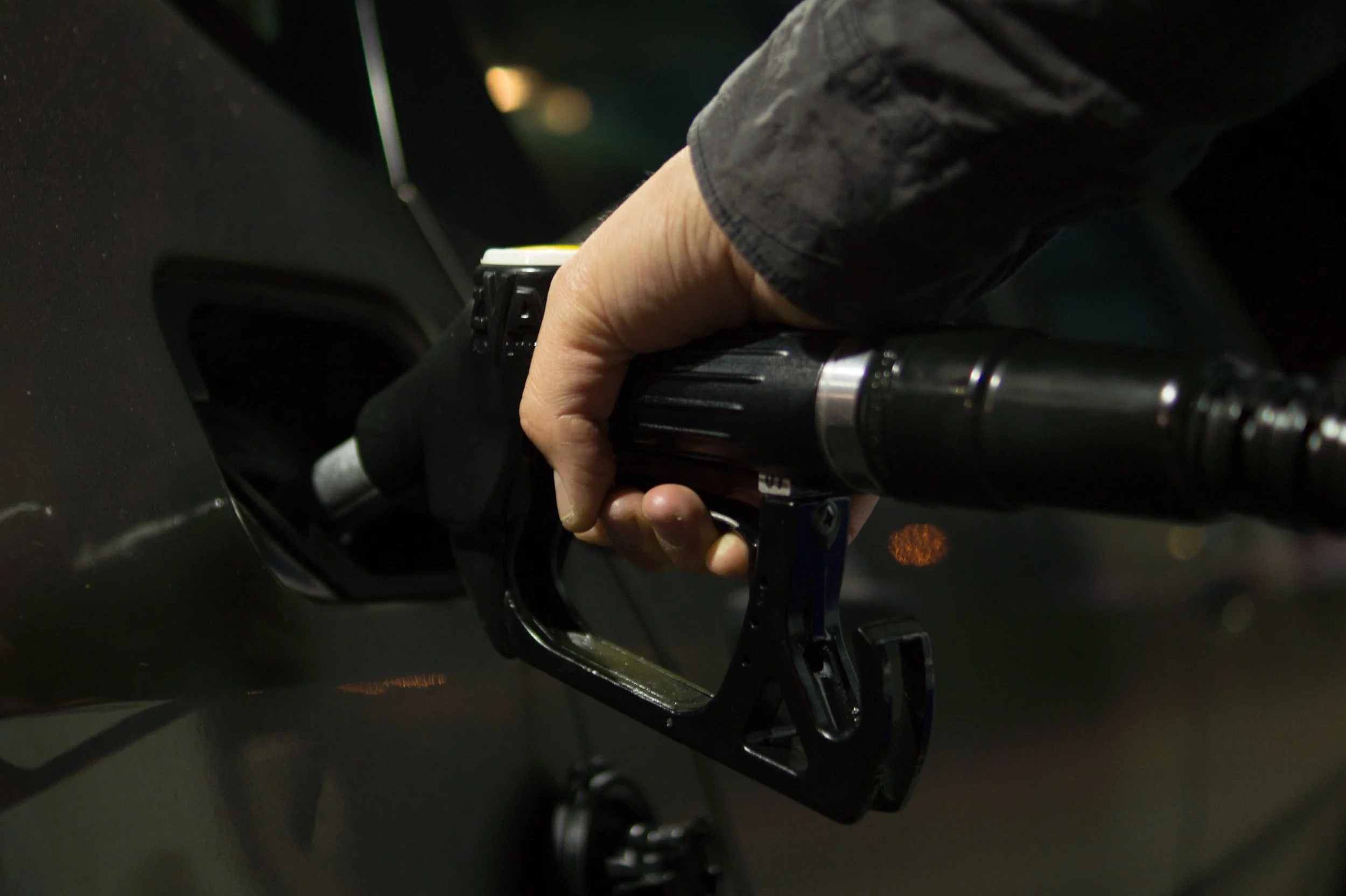
Earlier this month, Governor Mike DeWine signed House Bill 519, which halts collection of Ohio’s gasoline and diesel fuel tax through January 2, 2027. Ohio’s fuel tax is 38.5 cents per gallon of gasoline and 47 cents per gallon of diesel fuel. Gas prices have since decreased by 35 to 47 cents per gallon across the state. Ohio’s fuel tax is mostly used to construct and repair roads.
16 of 31 economists agreed that as fuel efficiency and electric-vehicle adoption increase, a vehicle-miles-traveled fee would be a more efficient way to fund Ohio's roads than the motor-fuel tax. According to David Lindequist of Miami University, “Mileage fees reflect road use more directly than fuel taxes and they would also include electric vehicles. They could lead to more efficiency assuming collection costs remain manageable and emissions are addressed separately.” Of the remaining economists, 11 disagreed and 4 were uncertain. David Brasington of the University of Cincinnati was uncertain, explaining, “If you use GPS tracking of Ohio drivers, it would be feasible, but people would probably have big privacy concerns. Other ways of implementing a miles-driven system have high costs of administering the system compared to a gas tax.”
18 of 31 economists disagreed that Ohio's annual registration fee on electric vehicles is an efficient way to make up for lost fuel tax revenue. According to Jonathan Andreas of Bluffton University, “This lump-sum fee provides zero disincentive to drive more. It also overcharges low-mileage drivers and undercharges high-mileage ones. Anyhow, a typical EV produces a fraction of one thousandth as much road damage as a fully-loaded semi-truck, so most of the cost of road maintenance should be borne by heavy vehicles like trucks which would make our overall transportation system more efficient by moving more freight to railroads who already pay for all of their own (rail)road maintenance unlike the trucking industry which is heavily subsidized by taxpayers for their road usage.” Of the remaining economists, 8 agreed and 5 were uncertain.
17 of 31 economists agreed that Ohio should rely more heavily on user fees than general tax revenue to finance highways. Roman Sheremeta of Case Western Reserve University indicated, “People who use roads more, and heavier vehicles that damage them more, should pay more.” Of the remaining economists, 9 disagreed and 5 were uncertain. Bill LaFeyette of Regionomics disagreed, explaining, “As electrical vehicles proliferate and fuel efficiency improves, gas taxes move further away from the total needed to preserve our deteriorating roads. Roads benefit everybody, not just those who drive on them.”
The Ohio Economic Experts Panel is a panel of over 40 Ohio Economists from over 30 Ohio higher educational institutions conducted by Scioto Analysis. The goal of the Ohio Economic Experts Panel is to promote better policy outcomes by providing policymakers, policy influencers, and the public with the informed opinions of Ohio’s leading economists. Individual responses to all surveys can be found here.