
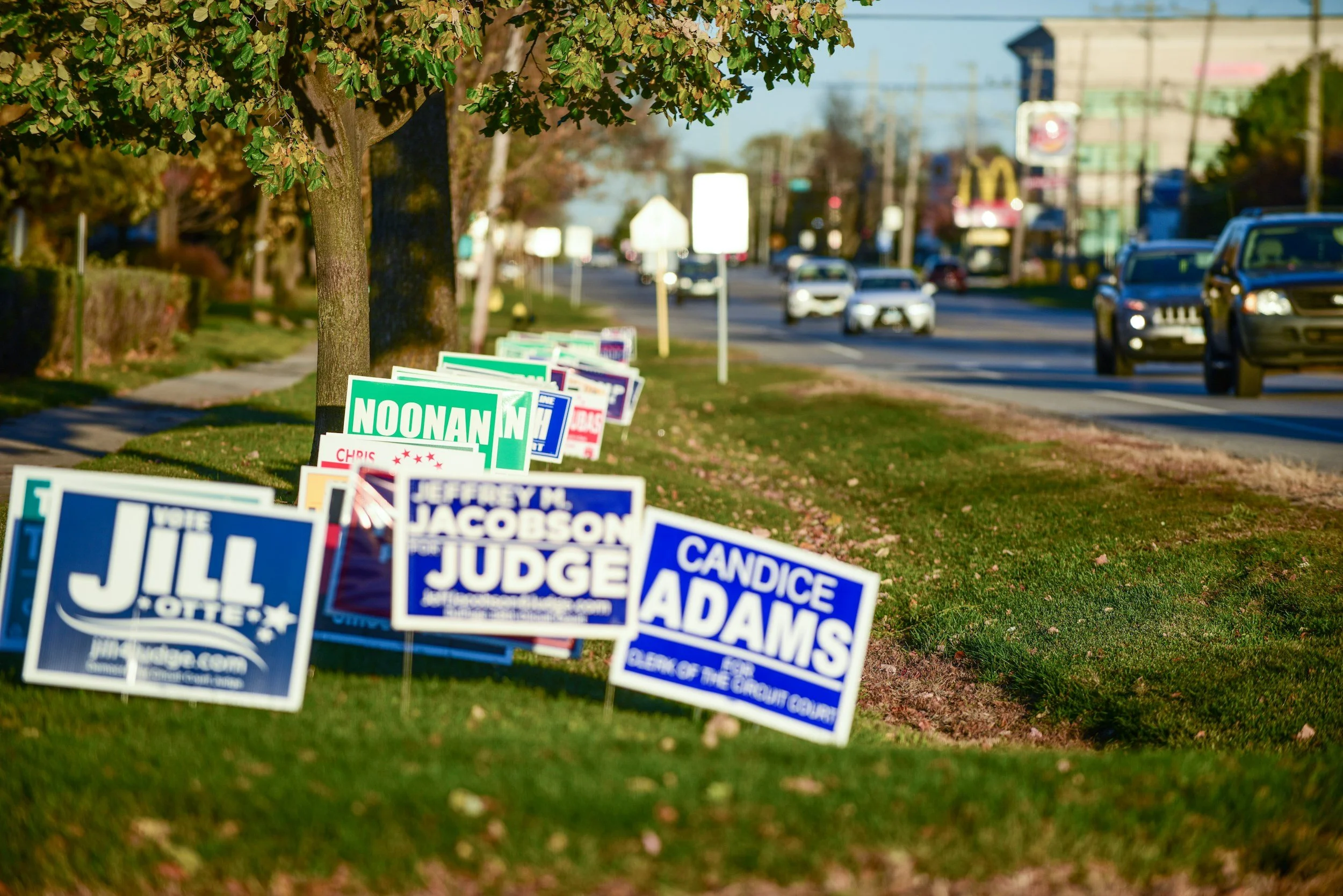
Over the weekend, I saw my first political ad of the midterm cycle. Current U.S. representative Angie Craig was playing softball as a metaphor for how she's ready to step up to the plate in her bid for the open Senate seat.

If you happen to live in a state that is more open politically than Minnesota, I suspect you’ve been seeing ads and yard signs for quite some time now. With election month only four months away now, I wanted to talk about one of the topics that has been dominating the political conversation for over a year now, affordability.
Earlier this year, we released a study looking at how Franklin County compared to its peers in terms of cost of living. Over the course of this research, we learned a lot about the conditions of state and local governments that can influence cost of living.
From a state and local perspective, cost of living is not something that policymakers can fully control. The levers needed to meaningfully influence the price of gasoline or food are only really available at the federal level. Despite this, we know from our study that there are differences in cost of living observable at the county level, even within states.
Tax policy’s impact on affordability
Taxes are a difficult part of the cost of living discussion because in order to fully understand their impact we need to take into account both how much they cost residents and what their tax dollars are being spent on. If the public sector is providing services that people want and would otherwise spend their own money on, then it might make a place feel more affordable even though people technically have less discretionary spending power.
We found in our study that property taxes had the biggest impact on cost of living when compared to income and sales taxes. This is probably part of the reason why recently in Ohio eliminating property taxes has been a major policy discussion.
Housing policy’s impact on affordability
One of the key findings from our study was that local differences in housing costs were a significant driver in the cost of living index. There are two main reasons for this: housing is a good that is strongly influenced by local policy conditions and housing is often one of the single largest expenses people have.
One way policymakers can make housing more or less affordable is through their local zoning laws. More relaxed zoning laws provide developers and builders more options for where to build new housing. More options in turn should lead to lower costs overall. Another common policy employed in some places is rent control. I’ve talked before about why most economists don’t like rent control, but in short it benefits current renters and hurts future renters.
In general, local housing policy can determine whether new housing is easy or difficult to build. Some municipalities might not want new housing for some policy reason. Recently, the city of Lakeville Minnesota stopped building new housing since they felt their other infrastructure wasn’t able to keep up with the rapid population growth.
As these elections get closer, consider what your local elected officials are planning to do when it comes to affordability. They might have less broad economic influence than the federal government, but the policy decisions they make can still have a noticeable impact on local economic conditions.