
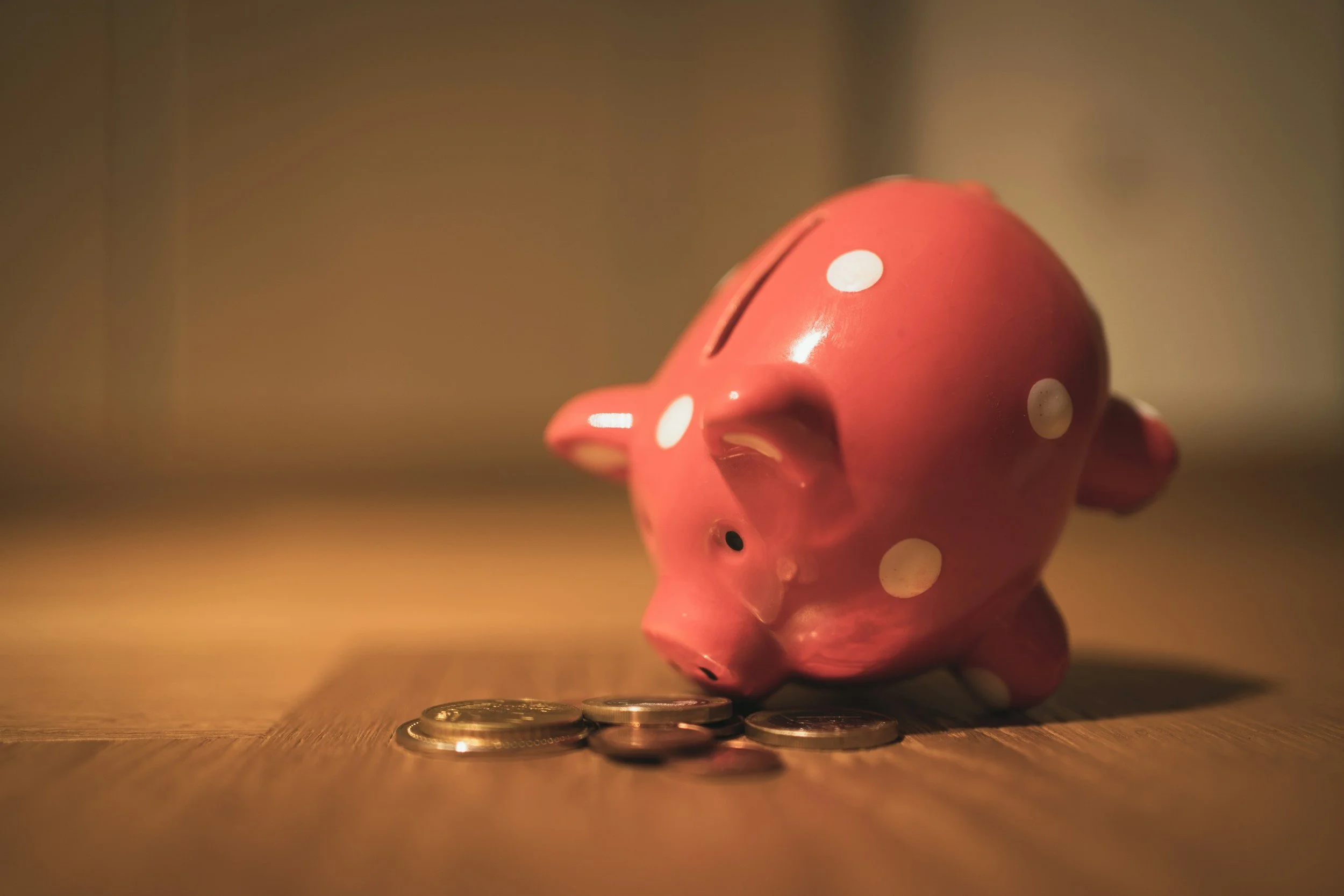
When we talk about economic wellbeing, the conversation often gravitates toward familiar indicators: poverty rates, food insecurity, housing cost burdens, or income growth. These are all important, but they tend to capture only one dimension of a household’s financial life. Lately, I’ve been thinking more about a different indicator—one that people intuitively understand and care deeply about, even if it doesn’t show up as often in policy debates: whether individuals have any emergency savings.

One reason I find the focus on emergency savings so fascinating is that the metric is a function of both income and consumption. Most of our indicators of wellbeing focus solely on one side of that equation: poverty or food insecurity for example. Emergency savings as a metric for well being is a bit closer to something like the Supplemental Poverty Measure which takes into account differences in cost of living,
So, why do we care about whether or not people have some emergency savings at all? What does it tell us about people’s wellbeing that we don’t get from knowing their poverty status or whether or not a person is housing cost burdened?
One reason to care about emergency savings is research that ties emergency savings to financial stress. Households without any emergency savings report significantly higher levels of anxiety about their finances. When a car breaks down, a child gets sick, or hours at work are cut, families without savings have few options. They may turn to credit cards, payday loans, or simply fall behind on bills. This stress doesn’t even require an emergency to occur, instead the stress is the result of households knowing they wouldn’t be able to respond if something came up.
Economists sometimes say that saving is just deferred consumption. This implies that saving money doesn’t provide excess value to people, but rather it is a tool for smoothing out our consumption over time. However, if having some amount of savings leads to its own tangible benefits, then that means it does provide its own unique benefit.
Another reason is that we know how bad situations can become if households are unable to pay for certain necessities because of an emergency. A car problem might force someone to choose between losing their job because they can’t get to work anymore or paying their rent in a given month. These events not only negatively impact the people who experience them, but they create additional strain on the social safety net.
Emergency savings offer a useful lens into how households manage uncertainty. They reflect whether families have even a small buffer to handle unexpected expenses without immediate disruption. When that cushion is missing, the result is often heightened stress and a greater risk that a single setback can cascade into larger problems.
Looking at emergency savings alongside other measures of wellbeing helps us understand the financial challenges households face. Even a small amount of emergency savings can make the difference between a temporary challenge and a lasting hardship.