
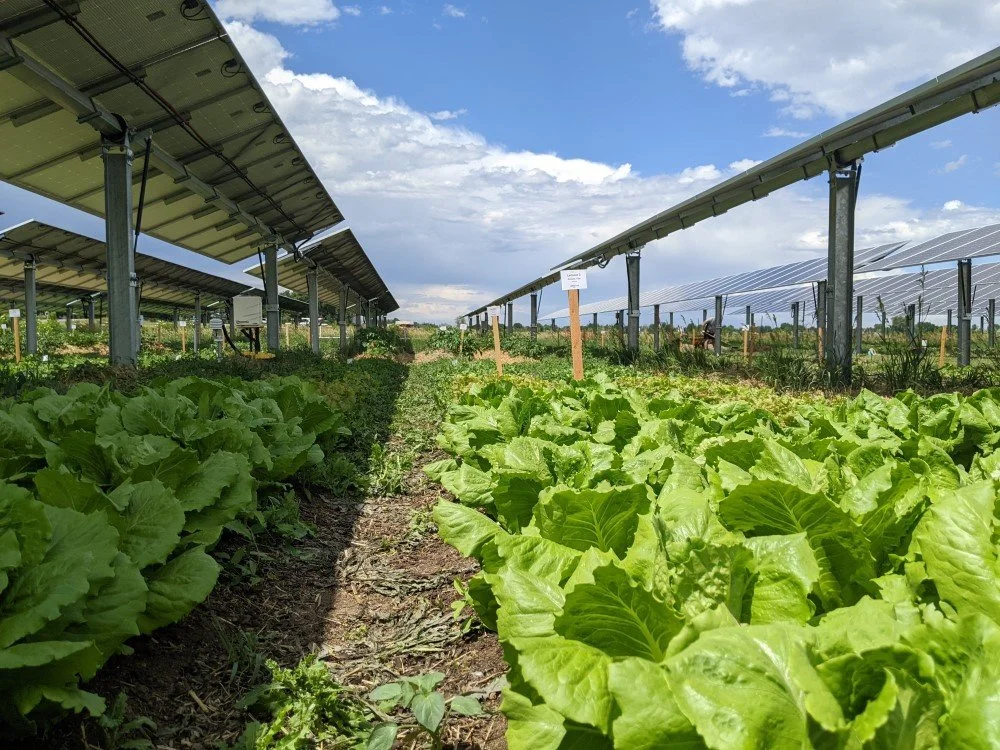
Last year, I was called to testify at a hearing of the Ohio Power Siting Board on a plan to develop a large solar farm in Knox County.

My firm Scioto Analysis was asked to make some estimates about the cost of climate change for local governments in Knox County and how the solar project could help make up for these costs in the long run.
I was surprised to see the level of scrutiny this project was undergoing.
Installation of a large, clean power project that will bring plentiful, low-cost energy is not something that I would generally expect to be controversial.
But grassroots groups had organized against the project, making dubious claims about environmental impacts and arguing that the project would be “unsightly.”
It has always seemed strange to me that neighbors can have so much of a say in what people do with their land.
If a farmer finds it is more profitable to install solar panels than to use land for soybeans, why can their neighbors go to state boards and argue against that use of their land?
The fundamental argument for this sort of community input in these sorts of projects is that energy developments can have external impacts on community members.
If you build a coal-fire power plant next door and upwind of an elementary school, you expose children on the playground to PM2.5 and NOx emissions, which can cause breathing problems and in extreme cases, death.
Community input helps alert policymakers to these sorts of problems and improve energy projects for the community they are located in.
On the other hand, there is such thing as “too much community input.”
If bad actors abuse the system, the community input system ends up being a tool for slowing or even killing projects.
The Icebreaker Wind offshore wind project in Lake Erie is one example of this. It has dealt with years of delays, mainly at the behest of people who have aesthetic opposition to wind turbines.
This past week, Scioto Analysis released a report with the Ohio Chamber of Commerce Research Foundation on energy permitting in Ohio.
In the face of growing interest in Ohio as a data center hub, many people are worried about Ohio’s ability to keep up with the energy needs associated with these projects.
An efficient energy permitting process is a key to making sure enough energy is available to continue to have these sorts of centers in the state without subjecting the state to soaring energy costs.
Using data from Lawrence Berkeley Laboratories on energy projects in the development queue, we estimated that the state of Ohio loses out on 9,000 megawatts of energy projects per year due to developers withdrawing their projects.
This amounts to about $440 million in lost investment every year, 5,400 fewer jobs, and millions of dollars in lost tax revenue.
There needs to be space for community input. But if the state of Ohio is going to keep up with energy needs and keep energy prices from skyrocketing, it means balancing those needs with the need for energy supply.
Making sure the process serves the needs of ratepayers as much as it serves the needs of residents who find solar panels and wind turbines “unsightly” is paramount to an effective system.
This commentary first appeared in the Ohio Capital Journal.